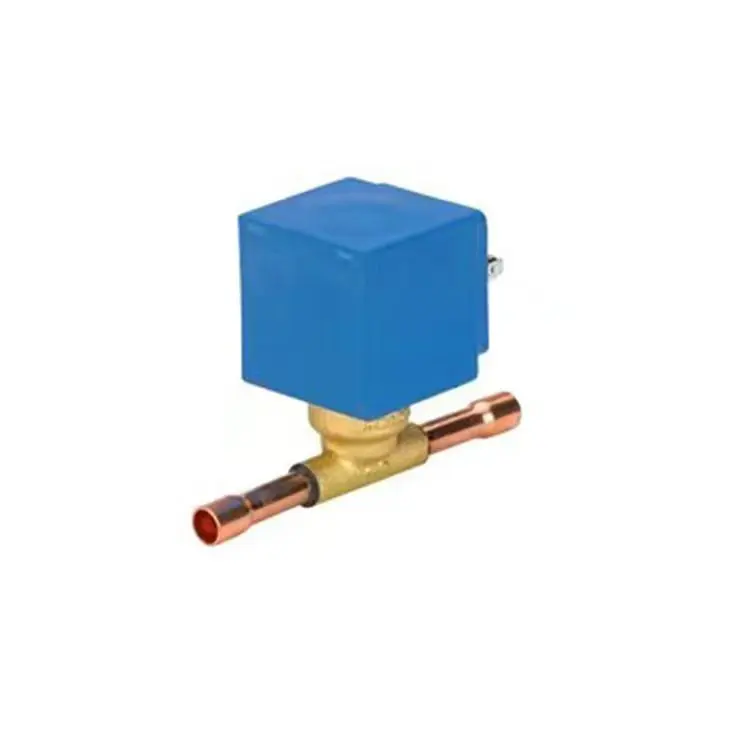
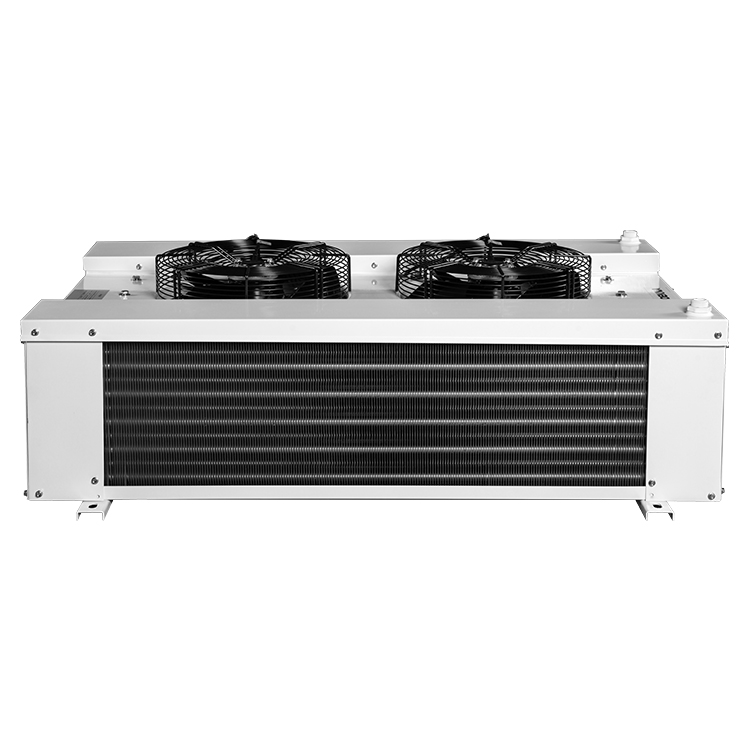
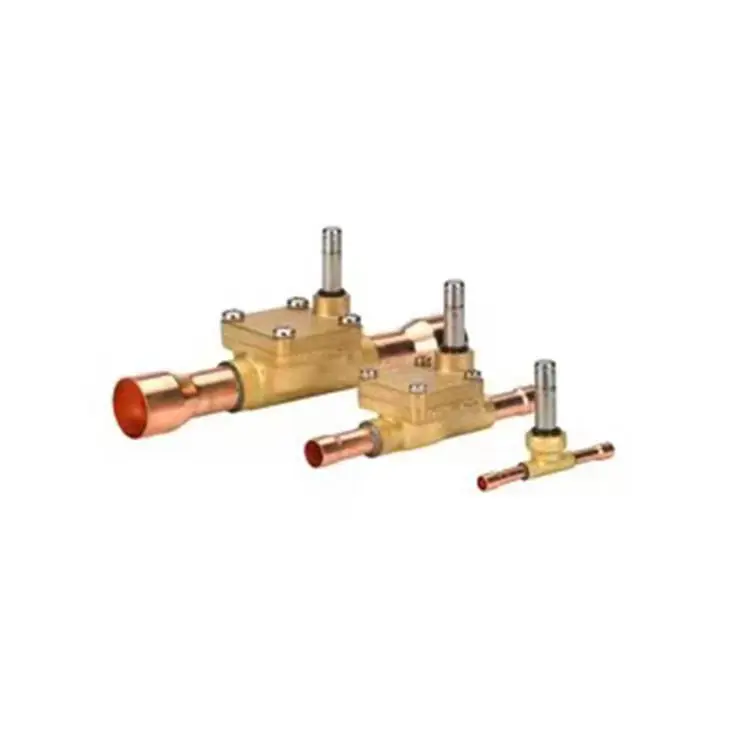
Ceiling-mounted evaporators for cold storage are essential components in refrigeration systems, designed to maintain optimal temperatures in storage facilities. These units play a critical role in preserving perishable goods, ensuring that products remain fresh and safe for consumption. As a purchasing manager or an engineer, your primary concerns may include efficiency, reliability, and the suitability of the evaporator for your specific application. This article will delve into the key specifications, wholesale purchasing tips, installation guidelines, common problems, and material advantages of ceiling-mounted evaporators, equipping you with the knowledge needed to make informed purchasing decisions.
When selecting a ceiling-mounted evaporator for cold storage, several specifications are crucial to ensure optimal performance. Key specifications include:
Cooling Capacity: Measured in BTUs, the cooling capacity determines how effectively the evaporator can remove heat from the storage area. Ensure that the evaporator’s capacity matches the thermal load of your cold storage environment.
Airflow Rate: Airflow, typically measured in cubic feet per minute (CFM), impacts temperature uniformity. An appropriate airflow rate is essential for maintaining consistent temperatures throughout the storage space.
Defrost Method: Evaporators can use either a manual or automatic defrost method. Automatic defrost systems are preferable in commercial settings for their convenience and efficiency.
Dimensions: The size of the evaporator is critical for fitting into your cold storage design and facilitating proper airflow. Ensure that the dimensions align with your installation space and overall system layout. For example, units like the YH Type Condenser can be considered based on their sizing options.
Energy Efficiency: Look for units with high energy efficiency ratings to minimize operational costs. Energy-efficient models can lead to significant savings over time.
Understanding these specifications will help you select the right ceiling-mounted evaporator that meets your project requirements while ensuring long-term reliability.
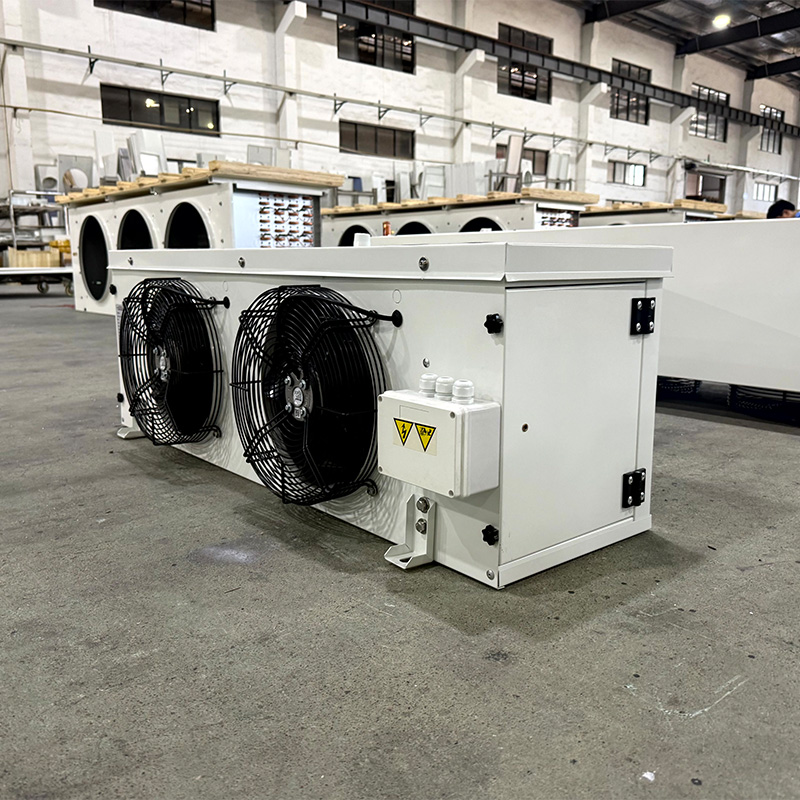
When sourcing ceiling-mounted evaporators, particularly in bulk, consider the following tips to ensure a successful purchasing experience:
Request Detailed Quotations: Provide potential suppliers with comprehensive information about your requirements, including cooling capacity, dimensions, and quantities. This will help suppliers offer accurate pricing and lead times.
Evaluate Supplier Credentials: Look for manufacturers with proven experience in refrigeration equipment, such as Shanghai EMTH, which has over 20 years in the industry. Check their certifications, patents, and quality control processes to ensure reliability.
Consider Customization Options: If your application has specific requirements, inquire about customization capabilities. Suppliers like EMTH may offer tailored solutions based on your needs.
Check Minimum Order Quantities (MOQ): Understand the MOQ for each supplier. This will help you plan your purchasing strategy and manage inventory effectively.
Assess Lead Times: Confirm lead times for production and delivery, especially if your project has strict timelines. It’s beneficial to work with suppliers who can accommodate your schedule.
By following these tips, you can streamline the purchasing process and secure the best possible deal on ceiling-mounted evaporators. For instance, look into Bitzer Condensing Unit options that might meet your needs.
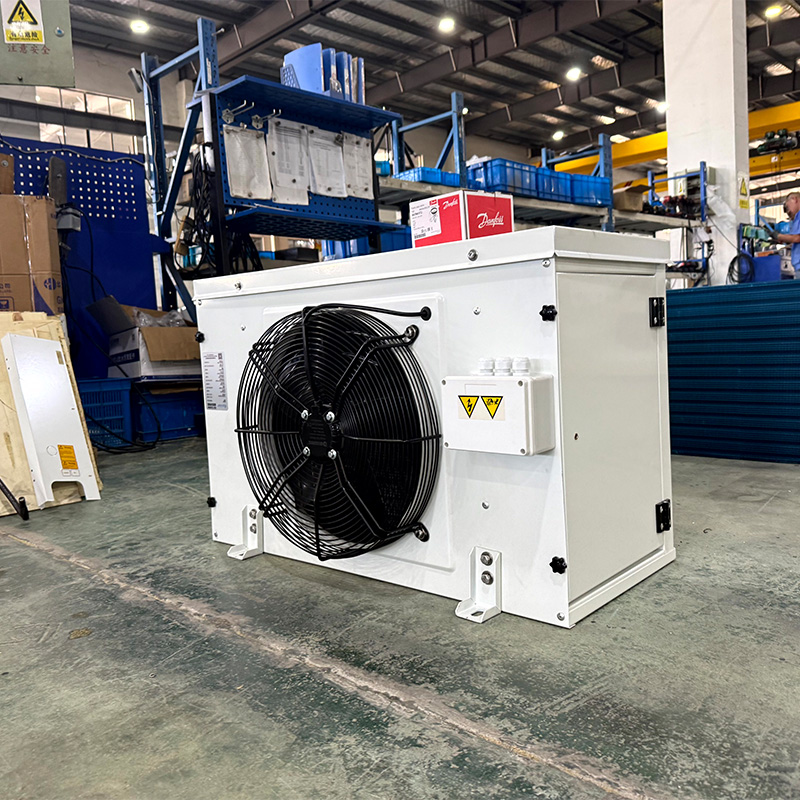
Proper installation of ceiling-mounted evaporators is critical for optimal performance and longevity. Here are essential guidelines to consider:
Location and Positioning: Install the evaporator in a location that allows for adequate airflow and minimizes obstructions. Positioning should ensure that the cold air circulates evenly throughout the storage space.
Mounting Height: Typically, evaporators should be mounted 7 to 8 feet above the floor to facilitate optimal airflow and defrosting. Ensure that there is enough clearance for maintenance access.
Electrical Connections: Follow the manufacturer’s guidelines for electrical connections, ensuring that all wiring complies with local electrical codes. Using proper wire sizes and connections is critical for safety and performance.
Insulation: Proper insulation around the evaporator and ductwork is vital to prevent energy loss and condensation issues. Ensure that all insulation materials are suitable for refrigeration applications.
Regular Maintenance Access: Design the installation layout to allow easy access for regular maintenance checks. This includes cleaning the evaporator coil and checking for refrigerant levels.
Adhering to these installation guidelines will help ensure that your ceiling-mounted evaporator operates efficiently and effectively throughout its lifespan.
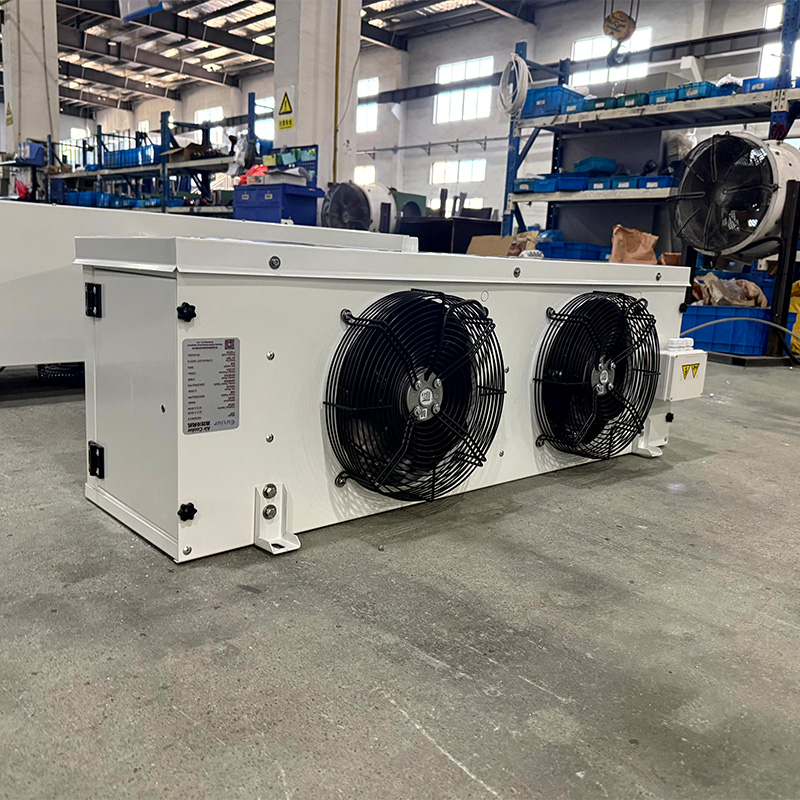
Understanding potential issues with ceiling-mounted evaporators can help you troubleshoot problems as they arise. Here are some common problems and their solutions:
Insufficient Cooling: If the evaporator is not cooling effectively, check the refrigerant levels and ensure there are no leaks. Additionally, verify that the airflow is unobstructed and that the fan is functioning correctly.
Frost Buildup: Excessive frost accumulation can occur due to low airflow, a faulty defrost timer, or improper temperature settings. Regular maintenance checks, including cleaning the coil and confirming the defrost cycle, can help mitigate this issue.
Noise Issues: Unusual noises from the evaporator can indicate a malfunctioning fan or loose components. Inspect the unit for any loose screws or damaged parts, and consider lubricating the fan motor as needed.
Water Leaks: Water pooling around the evaporator may result from clogged drain lines or improper installation angles. Ensure that drain lines are clear and that the evaporator is mounted at the correct slope to facilitate drainage.
By addressing these common issues proactively, you can maintain the efficiency and reliability of your ceiling-mounted evaporators.
Complete service program, from formulating of plans, production of Cold room as well as project landing until after-sales service, there are specific docking.
EMTH has a long-standing track record of success in the industry with more than 3,000 satisfied customers.
A modern plant of over 4000 square meters is in operation to meet the majority Ice maker for commercial production requirements.
Over 20 years of experience, we have the complete sales and after-sales systems with more than 20 patents and a professional R&D EMTH team.

Welcome to EMTH, a cold storage refrigeration equipment specialist in China! We offer innovative and effective cold storage solutions, including cold storage, evaporator, condensing unit and ice machine.
Room 304-305B, Building 5, BESHINE B.P, No. 559Zhuyuan Road, Minhang District 201112, Shanghai, China
Copyright © Shanghai EMTH Import & Export Co., Ltd. All Rights Reserved. - Privacy Policy
 EN
 AR
 BG
 HR
 CS
 DA
 NL
 FI
 FR
 DE
 EL
 IT
 JA
 KO
 NO
 PL
 PT
 RO
 RU
 ES
 TL
 IW
 ID
 LT
 SR
 VI
 HU
 TH
 MS
 AZ
 JW
 LO
 MN
 SO
 MY
 KK
 TG
 UZ
 GD
 XH