An industrial evaporator for cold storage is a critical component in refrigeration systems, designed to efficiently remove heat from stored products to maintain optimal temperature conditions. For buyers, understanding specifications, application suitability, and potential issues is essential in selecting the right evaporator. This article will guide you through the selection process, supplier evaluation, common challenges, and applications of industrial evaporators, ensuring you make an informed purchasing decision.
Selecting the appropriate industrial evaporator for cold storage involves several considerations that can significantly impact performance and efficiency. First, evaluate the type of refrigerant your system uses, as this will dictate the evaporator's design and compatibility. Two common types are flooded and dry expansion evaporators, which differ in their operational mechanisms and efficiency levels.
Next, consider the cooling capacity required for your application, which is typically measured in BTU/h (British Thermal Units per hour). This is crucial for maintaining the desired temperature and ensuring energy efficiency. A cooling capacity that is too low will lead to inadequate cooling, while one that is too high may cause excessive energy consumption and operational costs. For optimal performance, consider solutions such as the Compressor For Refrigeration Tools And Equipment.
Material selection is another key factor. Evaporators are usually made from materials like copper or aluminum, chosen for their thermal conductivity and resistance to corrosion. The choice of material impacts not only the heat transfer efficiency but also the durability of the system in different environmental conditions.
Lastly, ensure that the evaporator's dimensions fit your cold storage design. Space constraints can limit your options, so it's important to measure the installation area and verify that the evaporator will fit without compromising airflow or maintenance access.
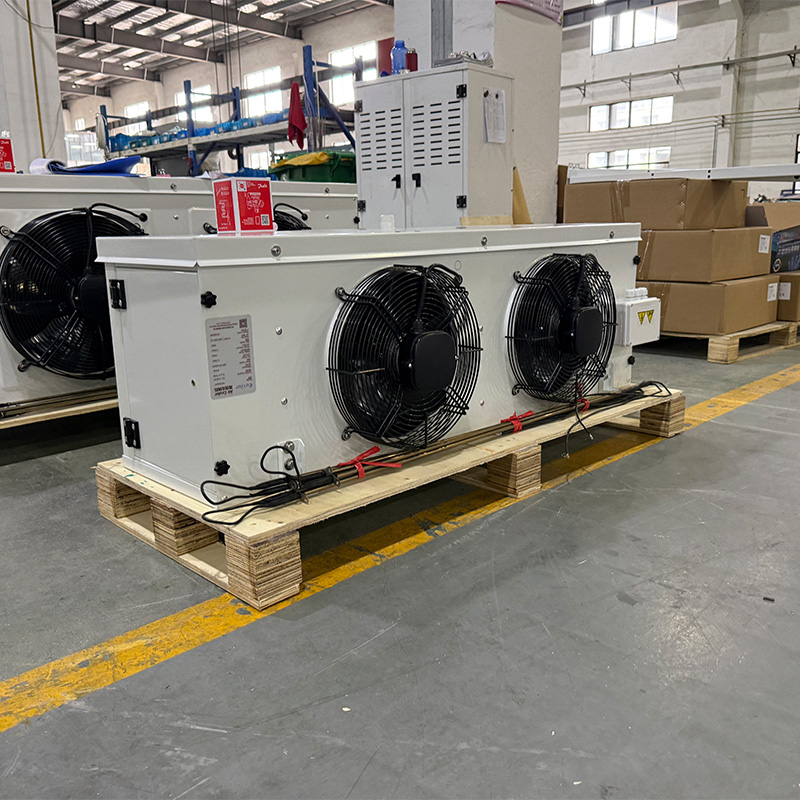
When considering bulk orders of industrial evaporators for cold storage, it's important to evaluate different suppliers based on pricing, lead times, and customization options. Bulk purchasing can often lead to significant cost savings, but buyers should assess the total cost of ownership, which includes factors beyond the initial purchase price.
Request quotations from multiple suppliers, ensuring to specify your requirements such as cooling capacity, materials, and any custom features. This will allow for accurate comparisons. Additionally, consider the minimum order quantity (MOQ) each supplier has, as this can vary significantly and influence your purchasing decision.
Lead times are another critical factor. Understand the production capacity of the supplier and their ability to meet your timeline. Suppliers with robust manufacturing capabilities and experience can often fulfill larger orders more efficiently, which is vital if you are working on a tight project schedule. For example, suppliers of the Bitzer Condensing Unit may have specific lead times that are beneficial to your project.
Lastly, inquire about the possibility of customization. Depending on your application, you may need specific features or configurations that standard models do not offer. Suppliers that can accommodate custom requests can provide a more tailored solution for your cold storage needs.
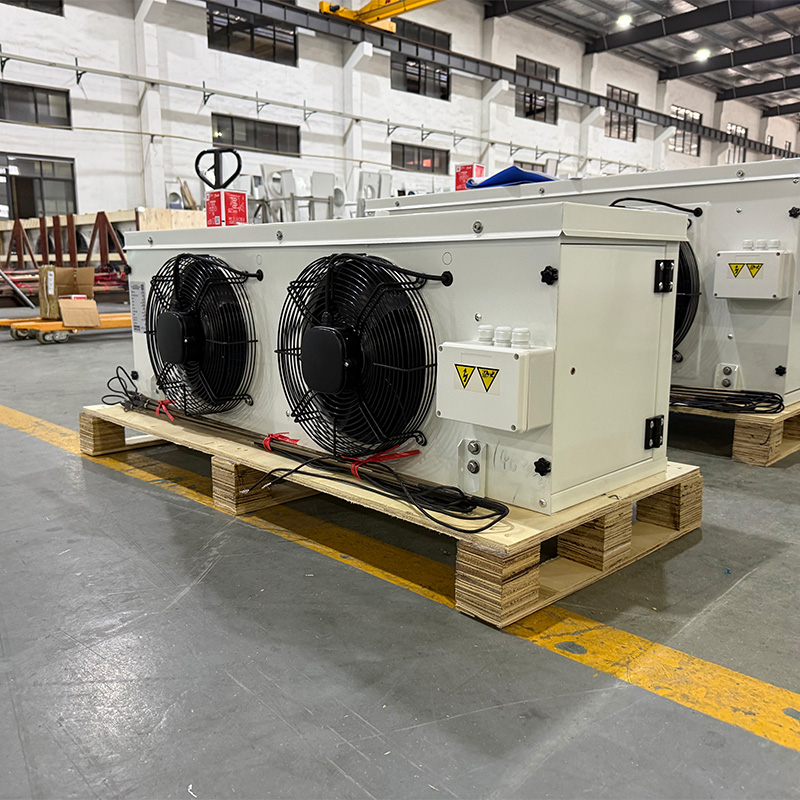
Identifying reliable suppliers for industrial evaporators requires careful evaluation of their experience, reputation, and manufacturing capabilities. Look for suppliers with a solid track record in the refrigeration industry and those who specialize in cold storage applications.
Assess the supplier's manufacturing facilities and quality control processes. Manufacturers with modern equipment and strict quality assurance measures are more likely to deliver consistent, high-quality products. Certifications, such as ISO, can also indicate a commitment to quality standards.
Another aspect to consider is the supplier's customer service and support. A responsive supplier can greatly enhance your purchasing experience, providing timely information and assistance throughout the process. Ask for references or case studies to evaluate how well the supplier has performed in past projects similar to yours.
Additionally, consider the geographic location of the supplier. Proximity can significantly affect shipping costs and lead times. Suppliers with experience in international shipping can also help navigate customs and logistics, ensuring that your equipment arrives on time and in good condition.
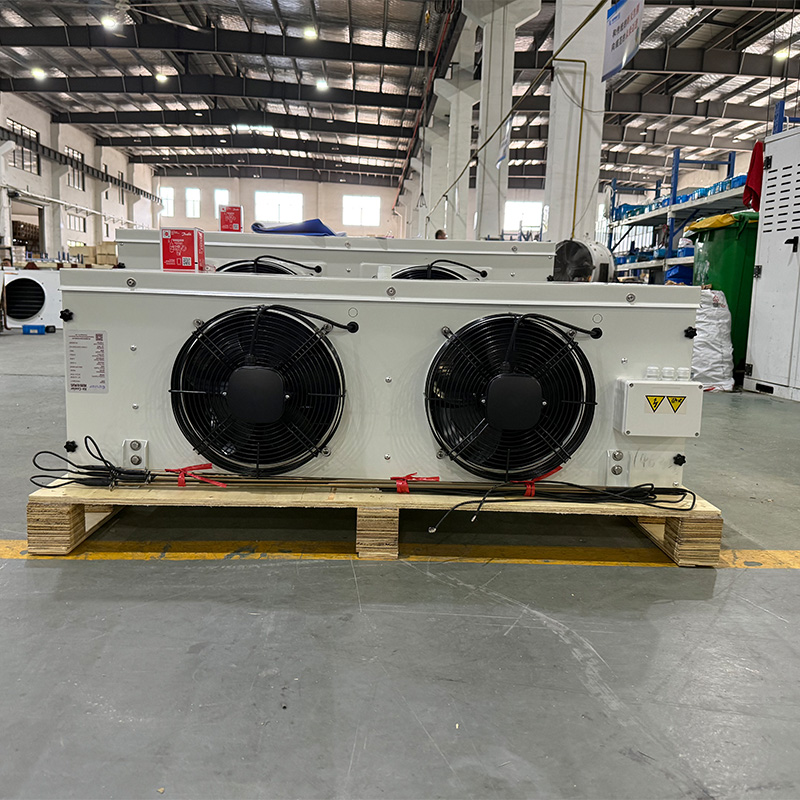
Industrial evaporators can encounter several common issues that may affect their performance and efficiency. One frequent problem is inadequate cooling capacity, which can stem from an undersized evaporator or obstructed airflow. Regular maintenance, including cleaning the evaporator coils and ensuring proper airflow, can help alleviate this issue.
Another challenge is refrigerant leaks, which not only reduce efficiency but also pose environmental risks. Regular inspections and using high-quality materials during installation can minimize the risk of leaks. If a leak is detected, prompt repairs are essential to maintain system integrity and efficiency.
Frost buildup on the evaporator coils can also hinder performance. This typically occurs due to low airflow or humidity issues. Regular defrost cycles and ensuring proper ventilation can help manage frost accumulation. In some cases, upgrading to a more efficient defrost system may be necessary.
Lastly, operational noise can be a concern, especially in commercial settings. Noise can result from vibrations or improper installation. Ensuring the evaporator is mounted securely and using vibration-dampening materials can reduce noise levels, improving the working environment.
EMTH EMTH has a track record in the field with over 3,000+ happy customers.
We have more than 20 years of experience and a highly skilled R&D EMTH staff.
Special docking is offered to provide a full range of service. This includes the creation of Cuber ice machine, production installations, landing plans, and after-sales support.
A modern plant of over 4000 square meters is in operation to meet the majority Ice maker for commercial production requirements.

Welcome to EMTH, a cold storage refrigeration equipment specialist in China! We offer innovative and effective cold storage solutions, including cold storage, evaporator, condensing unit and ice machine.
Room 304-305B, Building 5, BESHINE B.P, No. 559Zhuyuan Road, Minhang District 201112, Shanghai, China
Copyright © Shanghai EMTH Import & Export Co., Ltd. All Rights Reserved. - Privacy Policy
 EN
 AR
 BG
 HR
 CS
 DA
 NL
 FI
 FR
 DE
 EL
 IT
 JA
 KO
 NO
 PL
 PT
 RO
 RU
 ES
 TL
 IW
 ID
 LT
 SR
 VI
 HU
 TH
 MS
 AZ
 JW
 LO
 MN
 SO
 MY
 KK
 TG
 UZ
 GD
 XH