Industrial cold storage evaporators are critical components in refrigeration systems, designed to maintain low temperatures for perishable goods in various applications, including food processing, pharmaceuticals, and logistics. For B2B buyers such as purchasing managers and engineers, selecting the right evaporator is essential to ensure efficiency, reliability, and compliance with industry standards. This article will guide you through the key considerations when choosing an industrial cold storage evaporator, outlining specifications, cost factors, and practical advice to help you make informed purchasing decisions.
When selecting an industrial cold storage evaporator, the first step is to assess your specific requirements. Consider the type of goods being stored, the temperature range needed, and the capacity of your cold storage facility. Different evaporators are designed for various applications, such as low-temperature environments for frozen goods or moderate temperatures for chilled products.
Moreover, consider the layout of your storage space. Evaporators come in various configurations, such as ducted or unit-mounted systems. A ducted system may be more suitable for larger spaces requiring even temperature distribution, while unit-mounted evaporators can be advantageous in smaller or segmented areas. For instance, the Evaporator type you choose can significantly affect your overall cooling efficiency.
Additionally, evaluate energy efficiency ratings, as these can significantly impact operational costs. Look for evaporators with high energy efficiency ratios (EER) to minimize electricity consumption while maintaining optimal cooling performance.
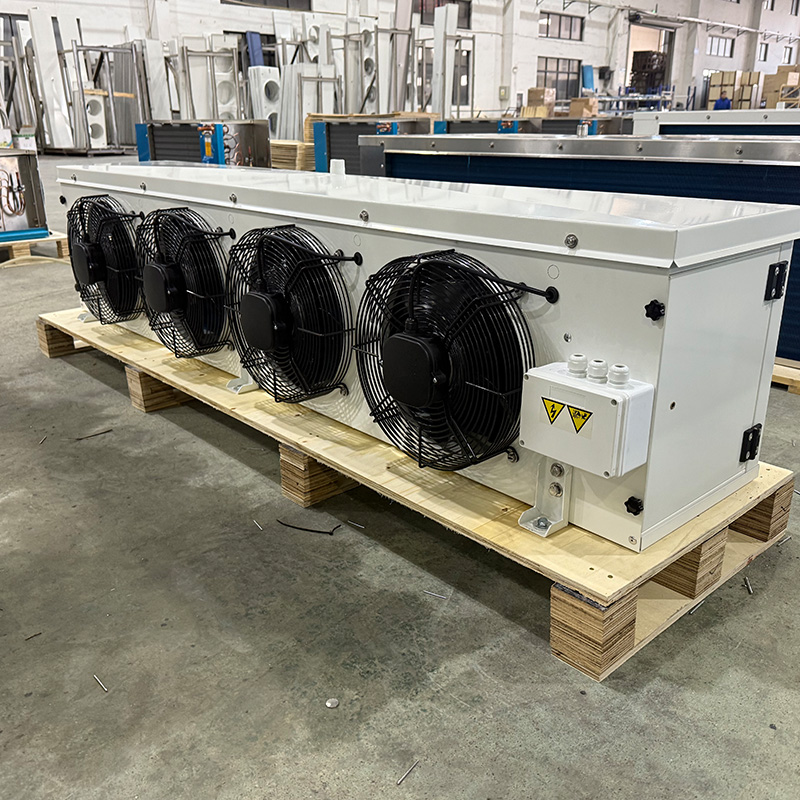
Understanding the technical specifications of cold storage evaporators is crucial for ensuring they meet your operational needs. Key specifications to consider include:
Cooling Capacity: Measured in BTUs or kW, this determines the amount of heat the evaporator can remove from the storage area. Ensure the capacity aligns with your cooling requirements based on the size and temperature of the storage environment.
Refrigerant Type: Common refrigerants include R-404A and R-410A. Each type has different properties and environmental impacts. It’s essential to select a refrigerant compatible with your system and compliant with regulations.
Airflow Rate: Measured in cubic feet per minute (CFM), this indicates how much air the evaporator can circulate. Proper airflow is necessary to maintain consistent temperatures and prevent hotspots in the storage area.
Material Construction: The evaporator’s material affects durability and corrosion resistance. Stainless steel is often preferred for its resilience in harsh environments, while aluminum may be lighter and more cost-effective.
Noise Level: For installations near work areas, consider the noise level of the evaporator. Look for models that operate quietly to maintain a conducive working environment.
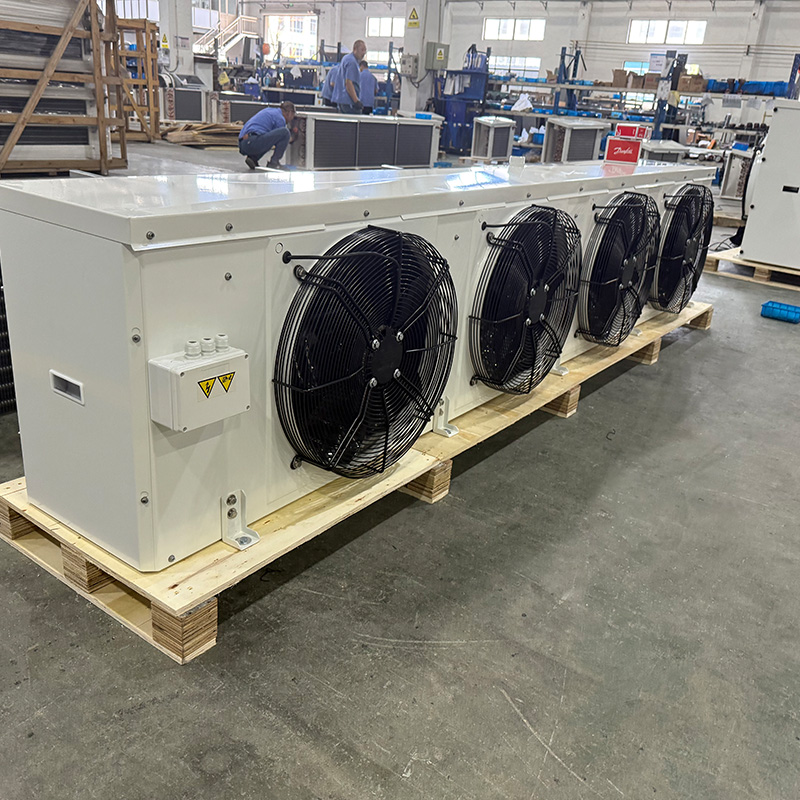
When evaluating potential suppliers for industrial cold storage evaporators, consider factors that can impact product quality and service. Here are some essential points to check:
Manufacturing Capabilities: Ensure the manufacturer has a robust production process, modern equipment, and quality control measures to guarantee the consistency and reliability of their products.
Customization Options: Depending on your specific needs, you may require customized solutions. Discuss customization capabilities with the supplier to ensure they can meet your unique specifications.
Certifications and Standards: Look for suppliers that adhere to industry standards and certifications, such as ISO 9001. This indicates a commitment to quality management and continuous improvement.
After-Sales Support: Reliable customer support can be invaluable, especially in case of installation or operational issues. Assess the supplier’s commitment to after-sales service, including installation guidance and maintenance support.
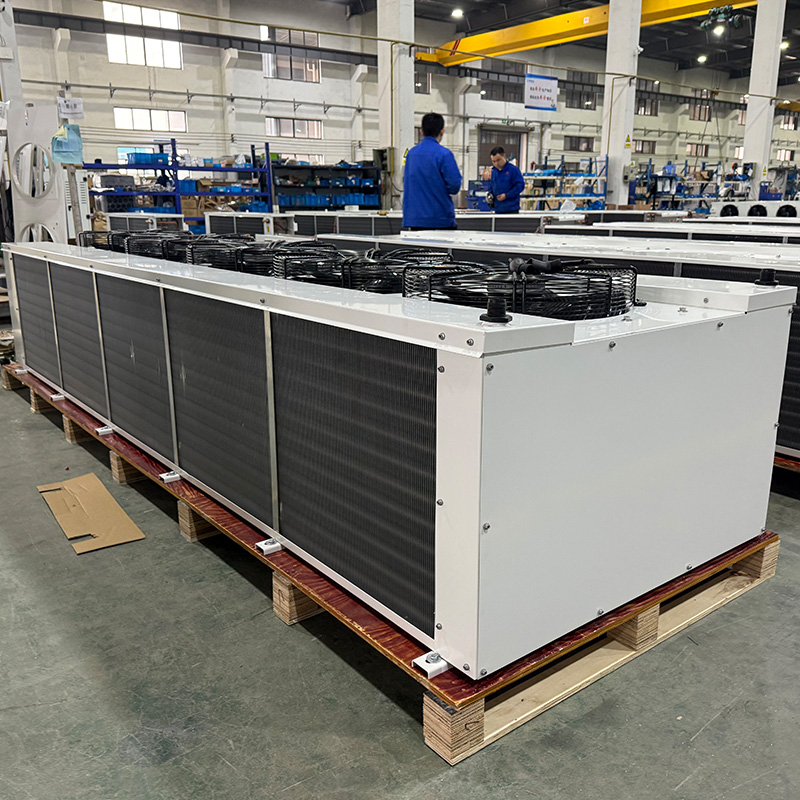
The cost of industrial cold storage evaporators can vary significantly based on several factors. Understanding these factors will help you budget effectively:
Initial Purchase Price: The upfront cost is influenced by the evaporator's specifications, size, and manufacturer. While it may be tempting to choose the lowest-priced option, consider the long-term operational costs associated with energy efficiency and maintenance.
Installation and Setup: Factor in installation costs, which can vary based on the complexity of the system and the facility layout. Proper installation is crucial for optimal performance.
Energy Consumption: Evaluate the energy efficiency of the evaporator, as this can impact operating costs over time. Higher efficiency models may have a higher initial cost but can lead to significant savings on electricity bills. For example, using a Air Curtain can help improve energy efficiency by reducing the exchange of air between the cold storage and the outside environment.
Maintenance Requirements: Regular maintenance is essential for prolonging the lifespan of your evaporator. Some models may require more frequent servicing, which can add to long-term costs.
Warranty and Service Plans: Check the warranty terms and any available service plans. A comprehensive warranty can provide peace of mind and protect your investment.
With a strong reputation in the business and over 3,000+ clients that they have served, EMTH EMTH is a trustworthy, proven supplier that has been acknowledged by other clients.
We have more than 20 years of experience and a highly skilled R&D EMTH staff.
Special docking is offered for a complete service. This includes the design of Commercial ice maker, production installation, landing projects, and after-sales support.
A modern plant of over 4000 square meters is in operation to meet the majority Refrigeration condenser production requirements.

Welcome to EMTH, a cold storage refrigeration equipment specialist in China! We offer innovative and effective cold storage solutions, including cold storage, evaporator, condensing unit and ice machine.
Room 304-305B, Building 5, BESHINE B.P, No. 559Zhuyuan Road, Minhang District 201112, Shanghai, China
Copyright © Shanghai EMTH Import & Export Co., Ltd. All Rights Reserved. - Privacy Policy
 EN
 AR
 BG
 HR
 CS
 DA
 NL
 FI
 FR
 DE
 EL
 IT
 JA
 KO
 NO
 PL
 PT
 RO
 RU
 ES
 TL
 IW
 ID
 LT
 SR
 VI
 HU
 TH
 MS
 AZ
 JW
 LO
 MN
 SO
 MY
 KK
 TG
 UZ
 GD
 XH