Air cooled condensing units are essential components in various refrigeration and air conditioning systems, serving to dissipate heat from refrigerants into the atmosphere. For B2B buyers, selecting the right air cooled condensing unit involves understanding specific requirements, performance metrics, and potential issues. This article will guide you on how to choose the right unit, what specifications to evaluate, common problems and solutions, best practices for maintenance, and the features and benefits of air cooled condensing units.
When selecting an air cooled condensing unit, buyers should consider several critical factors:
Application Requirements: Understand where the unit will be used. Different applications, such as commercial refrigeration, process cooling, or HVAC, may require distinct specifications.
Cooling Capacity: Determine the required cooling capacity based on the system’s demands. This is usually measured in BTUs or tons. An undersized unit may lead to inadequate cooling, while an oversized unit can cause energy inefficiency.
Operating Environment: Consider the ambient conditions where the unit will be installed. Factors such as temperature fluctuations, humidity levels, and potential exposure to corrosive elements can affect performance and longevity.
Noise Levels: In commercial applications, especially in urban settings, noise can be a significant concern. Look for units that operate quietly to comply with local regulations and ensure customer comfort.
Energy Efficiency: Energy costs are a significant part of operating expenses. Selecting units with high energy efficiency ratings (like SEER or EER) can lead to long-term savings. For instance, the Bitzer Condensing Unit is known for its energy-efficient performance.
Customization: Depending on your specific needs, you may require custom solutions. Many manufacturers, including Shanghai EMTH, offer customization options to meet unique specifications.
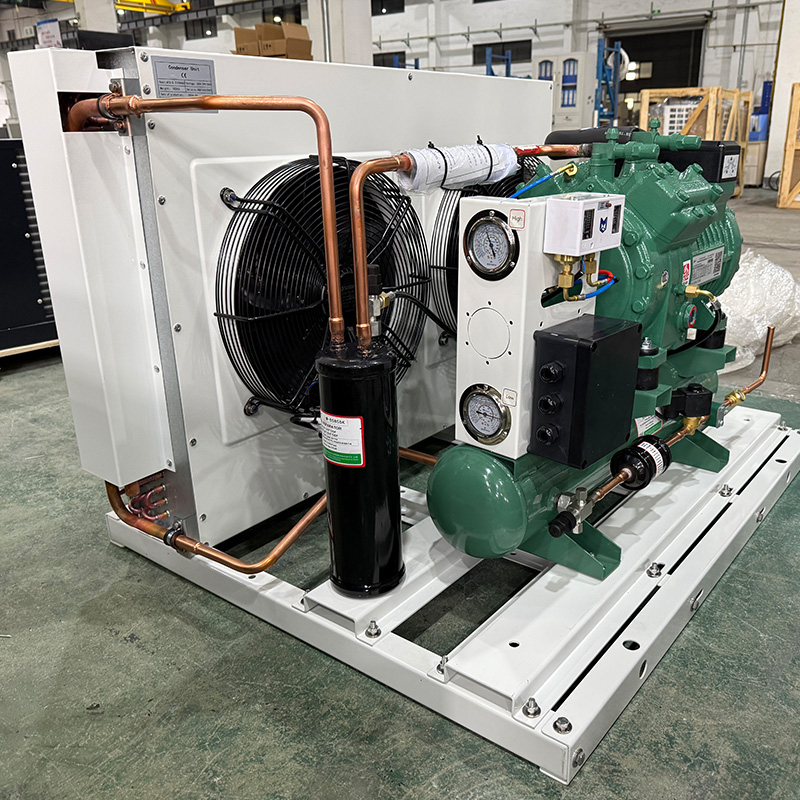
When evaluating air cooled condensing units, specific specifications are crucial for ensuring performance and compatibility:
Refrigerant Type: Different units may use various refrigerants, such as R-134a or R-410A. Ensure compatibility with your existing system.
Heat Exchange Surface Area: The greater the surface area, the more efficient the heat exchange. This impacts how quickly the refrigerant can lose heat, affecting overall system efficiency.
Fan Capacity and Type: The fan plays a critical role in air movement and heat dissipation. Consider the fan’s size, speed, and energy consumption.
Compressor Type: Different compressors (reciprocating, scroll, screw) have varying efficiencies and suitability for specific applications. Understanding these differences is essential for performance evaluation. For example, Compressor For Refrigeration Tools And Equipment provides options suited for various refrigeration needs.
Material Quality: The construction materials of the unit, particularly the coils, should resist corrosion and damage. High-quality materials can enhance durability and performance.
Control Systems: Advanced control systems can enhance efficiency by adjusting operational parameters based on real-time conditions. This includes variable speed drives for fans and compressors.
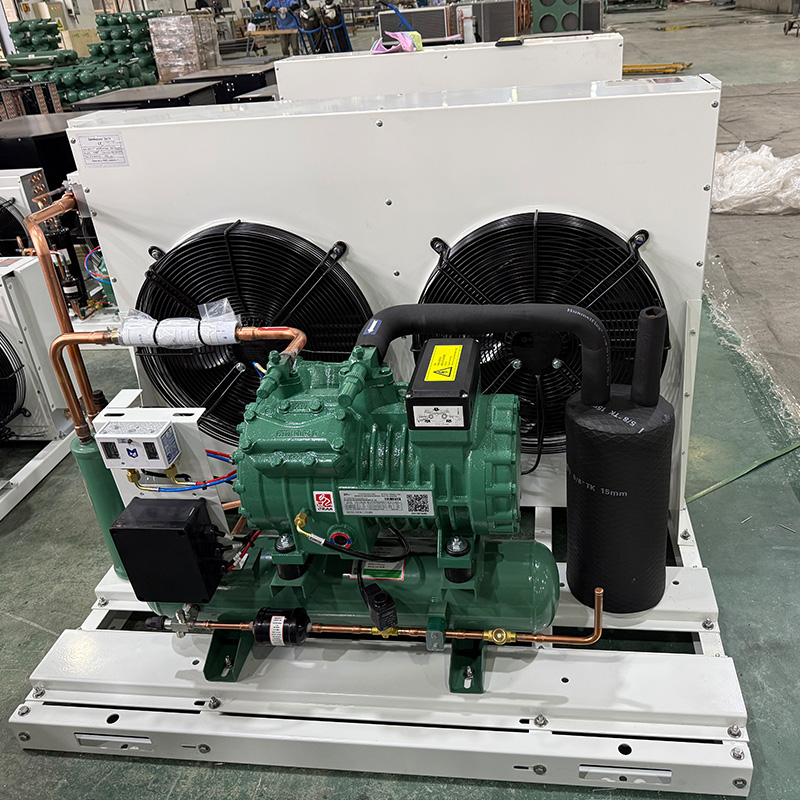
B2B buyers should be aware of common issues associated with air cooled condensing units to mitigate potential problems:
Inefficient Cooling: This can result from dirty or obstructed coils. Regular cleaning and maintenance can help maintain optimal performance.
Noise Issues: Excessive noise can be caused by loose components or worn-out fan bearings. Regular inspections can help identify and resolve these issues before they escalate.
Refrigerant Leaks: Leaks can occur due to wear and tear or improper installation. Regular system checks can help detect leaks early, ensuring a timely response and minimizing refrigerant loss.
Electrical Failures: Power surges or deterioration can lead to electrical failures. Implementing surge protection and regular electrical inspections can mitigate these risks.
Compressor Failures: This can happen due to overheating or improper sizing. Ensure the unit is correctly sized for the application and monitor operating conditions to prevent damage.
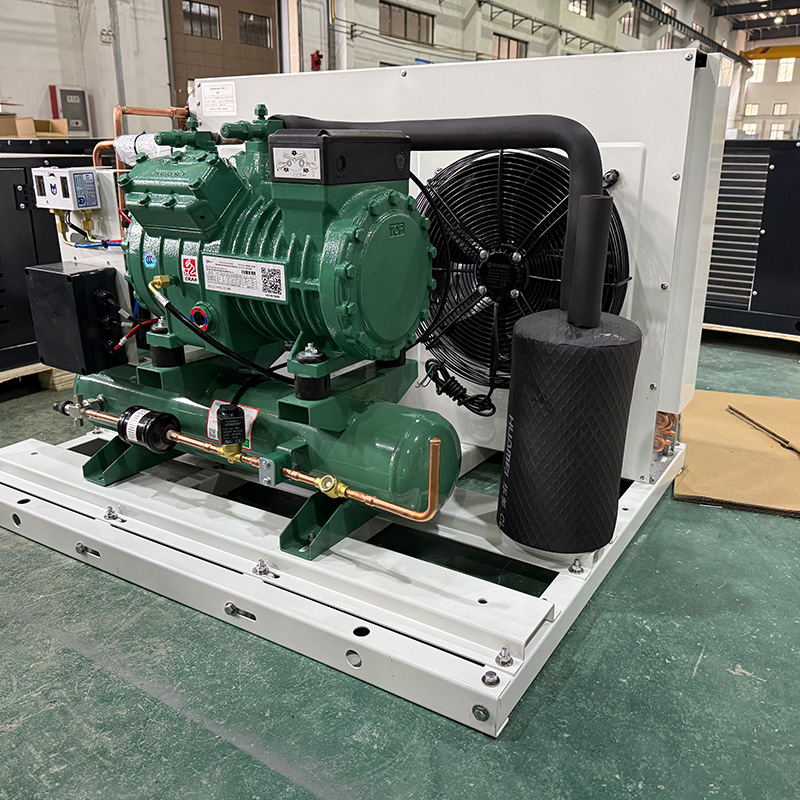
Implementing best practices can extend the lifespan and performance of air cooled condensing units:
Regular Maintenance: Schedule routine inspections and maintenance to check for blockages, clean coils, and ensure all components are functioning correctly.
Monitor Operating Conditions: Keep track of temperature and pressure readings to ensure the unit operates within the manufacturer's specified parameters.
Use Quality Components: Always choose high-quality parts and materials for repair or replacement to maintain system integrity.
Install in Proper Locations: Ensure the unit is installed in a place with adequate airflow and away from heat sources to facilitate efficient operation.
Train Personnel: Ensure that staff are trained in the proper operation and maintenance of the units to quickly identify and address potential issues.
A modern factory of over 40000 square meters is in place to satisfy the majority of Condensing units requirements.
More than 20 years of of experience and a professional R&D EMTH staff.
EMTH has a long-standing track record of success in the industry with more than 3,000 satisfied customers.
Special docking is offered for a complete service. This includes the design of Coldrooms, production installation, landing projects, and after-sales support.

Welcome to EMTH, a cold storage refrigeration equipment specialist in China! We offer innovative and effective cold storage solutions, including cold storage, evaporator, condensing unit and ice machine.
Room 304-305B, Building 5, BESHINE B.P, No. 559Zhuyuan Road, Minhang District 201112, Shanghai, China
Copyright © Shanghai EMTH Import & Export Co., Ltd. All Rights Reserved. - Privacy Policy
 EN
 AR
 BG
 HR
 CS
 DA
 NL
 FI
 FR
 DE
 EL
 IT
 JA
 KO
 NO
 PL
 PT
 RO
 RU
 ES
 TL
 IW
 ID
 LT
 SR
 VI
 HU
 TH
 MS
 AZ
 JW
 LO
 MN
 SO
 MY
 KK
 TG
 UZ
 GD
 XH