When sourcing a box condensing unit for your refrigeration needs, understanding the nuances of this essential equipment is crucial. A box condensing unit is a compact, self-contained refrigeration system designed to efficiently condense refrigerant vapor back into liquid form. Buyers, including purchasing managers and engineers, often face several concerns, such as ensuring compatibility with existing systems, evaluating performance specifications, and addressing installation challenges. This article will provide you with practical insights and guidance on choosing the right box condensing unit tailored to your project requirements. For example, you may want to consider the Bitzer Condensing Unit for its reliability and performance.
Selecting the appropriate box condensing unit hinges on your specific application requirements. Key factors to consider include the intended use, the size of the space being cooled, and the ambient temperature conditions. For instance, units designed for commercial refrigeration applications may need to handle higher loads compared to those intended for smaller, domestic setups. Additionally, consider the refrigerant type, as this affects the unit’s efficiency and environmental impact. Common refrigerants include R-404A and R-134A, each with its own efficiency characteristics. If your project has specific environmental regulations, it’s essential to ensure the selected unit complies with local standards.
Furthermore, customization options can play a significant role in your choice. Many manufacturers, including Shanghai EMTH, offer tailored solutions that fit specific dimensional and operational requirements, enhancing compatibility with existing systems. For example, the H Type Condensing Units are designed with adaptability in mind.
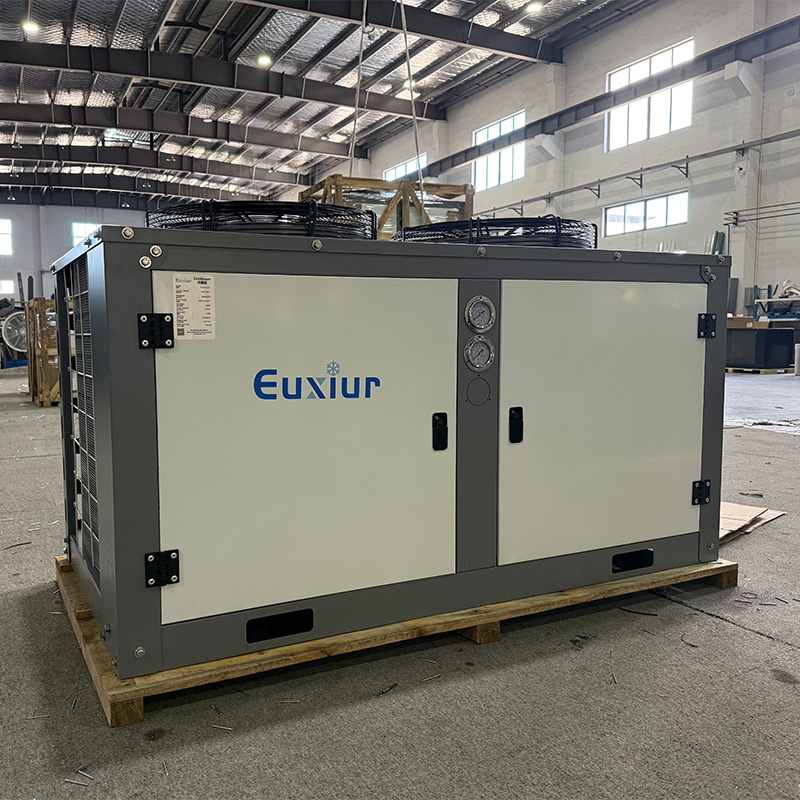
When evaluating box condensing units, several specifications are critical to ensure optimal performance. Start by examining the cooling capacity, typically measured in BTUs per hour. This figure will guide you in determining whether a unit can handle your refrigeration load. Using a unit with insufficient capacity can lead to inefficiencies and increased energy costs.
Next, consider the unit's energy efficiency ratio (EER) or seasonal energy efficiency ratio (SEER). Higher ratings indicate better energy efficiency, which translates to lower operational costs over time. Pay attention to the compressor type as well; scroll compressors tend to be quieter and more efficient compared to reciprocating models.
Material and construction quality are also paramount. Units should be built from durable materials that withstand environmental exposure, particularly if they are installed outdoors. Look for units with corrosion-resistant coatings, as these can significantly extend the lifespan of the equipment.
Lastly, don’t overlook the importance of warranties and service agreements. A solid warranty can provide peace of mind regarding the unit's reliability and performance.
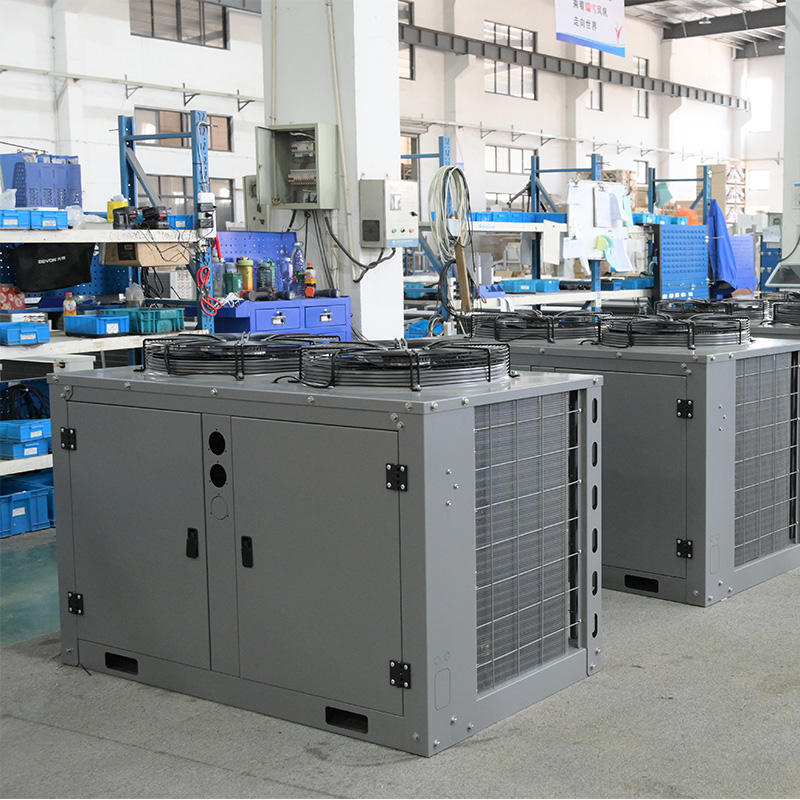
Installation of box condensing units can present several challenges that could affect performance if not properly addressed. One common issue is insufficient space for proper ventilation. These units require adequate airflow to function efficiently, so it’s essential to ensure that the installation site allows for sufficient clearance around the unit.
Another challenge is ensuring proper electrical connections. It’s vital to follow the manufacturer’s guidelines for wiring and circuit requirements to prevent electrical failures. Consulting with an experienced technician during installation can help mitigate these risks.
Additionally, consider the ambient temperature range in which the unit will operate. Installing a unit outside its specified temperature range can lead to operational inefficiencies and potential damage. Always refer to the manufacturer's specifications to confirm suitable operating conditions.
Lastly, a common oversight is neglecting to verify that the unit is level upon installation. An unlevel unit can result in poor refrigerant flow and decreased efficiency. Before finalizing the installation, take the time to check and adjust the level of the unit.
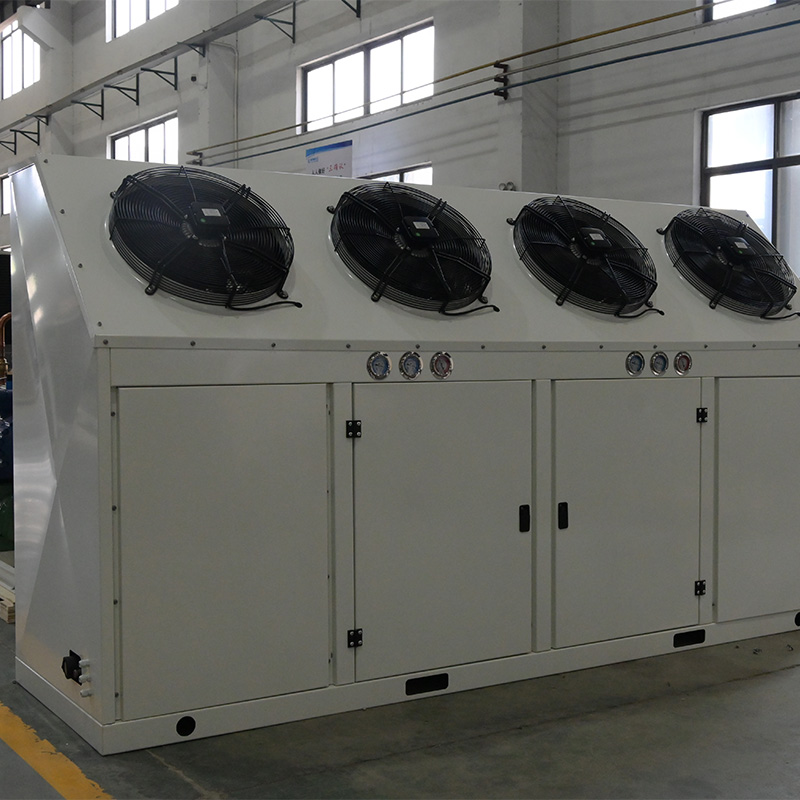
Finding a trustworthy supplier is crucial for ensuring quality and reliability in your box condensing unit purchase. Start by researching manufacturers with a proven track record in the industry, such as Shanghai EMTH, which boasts over 20 years of experience and a portfolio of 20 patents in refrigeration equipment.
Consider suppliers that offer comprehensive support, including assistance with product selection, installation guidance, and after-sales service. A supplier that is responsive and knowledgeable can greatly enhance your purchasing experience.
In addition, leverage industry connections or attend trade shows and exhibitions to meet suppliers in person. This allows you to ask questions directly and gain insights into their product offerings. Online reviews and testimonials can also provide valuable information regarding a supplier’s reliability and service quality.
Lastly, verify the supplier’s certifications and compliance with industry standards. This ensures that the products meet quality benchmarks and safety regulations required for your application.
A modern plant of over 4000 square meters is in operation to meet the majority Refrigeration condenser production requirements.
Complete service system, from the creation of plans, Ice maker for commercial production and project landing, to after-sales services, there's special docking.
More than 20 years of' experience and an experienced EMTH R&D staff.
EMTH has a long-standing track record of success in the industry with more than 3,000 satisfied customers.

Welcome to EMTH, a cold storage refrigeration equipment specialist in China! We offer innovative and effective cold storage solutions, including cold storage, evaporator, condensing unit and ice machine.
Room 304-305B, Building 5, BESHINE B.P, No. 559Zhuyuan Road, Minhang District 201112, Shanghai, China
Copyright © Shanghai EMTH Import & Export Co., Ltd. All Rights Reserved. - Privacy Policy
 EN
 AR
 BG
 HR
 CS
 DA
 NL
 FI
 FR
 DE
 EL
 IT
 JA
 KO
 NO
 PL
 PT
 RO
 RU
 ES
 TL
 IW
 ID
 LT
 SR
 VI
 HU
 TH
 MS
 AZ
 JW
 LO
 MN
 SO
 MY
 KK
 TG
 UZ
 GD
 XH