Air cooled condensing units for cold storage rooms are vital components in maintaining optimal temperatures for perishable goods. These units efficiently dissipate heat from refrigerants, ensuring that cold storage facilities operate effectively. For B2B buyers, key concerns include reliability, energy efficiency, and compatibility with existing systems. This article will delve into essential factors to consider when sourcing air cooled condensing units, providing insights into installation, common issues, and their applications across various industries. Additionally, exploring options such as the Bitzer Condensing Unit can enhance operational efficiency.
When it comes to wholesale sourcing, buyers should prioritize manufacturers with a proven track record in producing high-quality air cooled condensing units. Considerations include the manufacturer’s experience, certifications, and production capacity. A reliable supplier like Shanghai EMTH, with over 20 years of experience and numerous patents in refrigeration equipment, can provide a range of options tailored to your specific needs. For instance, options such as the YH Type Condenser may also be worth considering.
Additionally, inquire about minimum order quantities (MOQ), as this can vary significantly between manufacturers. Some may offer flexible sourcing options, allowing for smaller orders, while others may require bulk purchasing. Buyers should also evaluate the supplier’s export capabilities, ensuring they can effectively deliver the product to your location.
Finally, it is beneficial to request samples or prototypes to assess quality and compatibility with your cold storage room’s requirements. This step can prevent costly mistakes down the line.
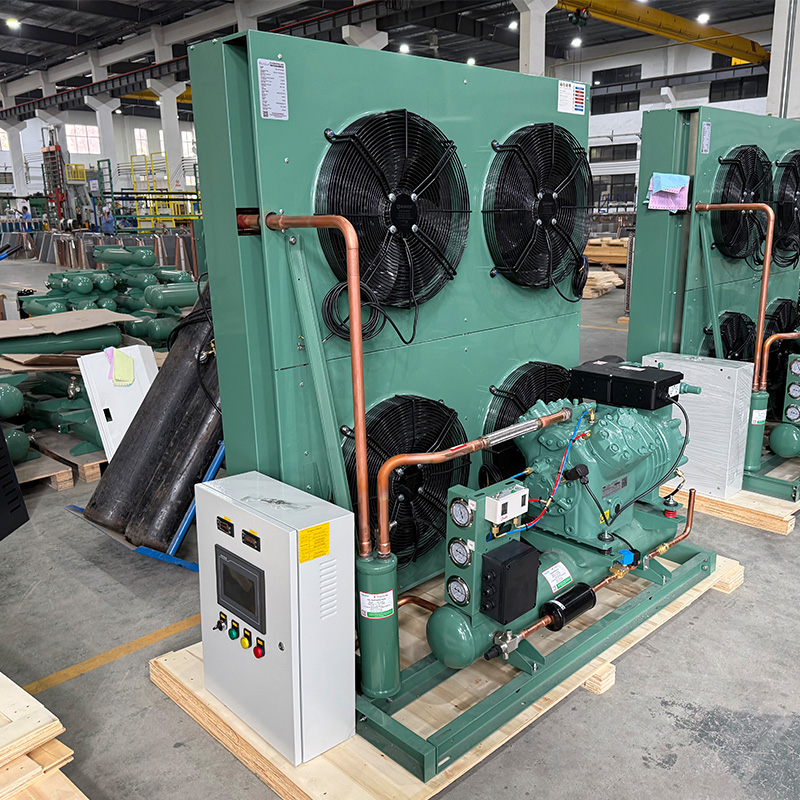
When selecting an air cooled condensing unit, several critical specifications must be considered:
Cooling Capacity: This is measured in tons and indicates how much heat the unit can remove from a cold storage room. It’s crucial to match the cooling capacity to the specific requirements of your facility to avoid insufficient cooling or excessive energy costs.
Energy Efficiency: Look for units with high Energy Efficiency Ratio (EER) ratings. A higher EER indicates that the unit uses less energy to produce the same cooling effect, leading to lower operational costs.
Materials and Construction: The durability of the condensing unit is affected by the materials used. Stainless steel and galvanized steel are common for their resistance to corrosion, which is essential in cold storage environments.
Noise Levels: Depending on your facility's location, noise may be a concern. Check the manufacturer’s specifications for sound levels to ensure they meet your operational requirements.
Customization Options: If your application has specific needs, inquire about customization capabilities. A manufacturer with a flexible production line can accommodate unique specifications.
Buyers should evaluate these factors based on their operational needs and the specific environment in which the condensing unit will be used.
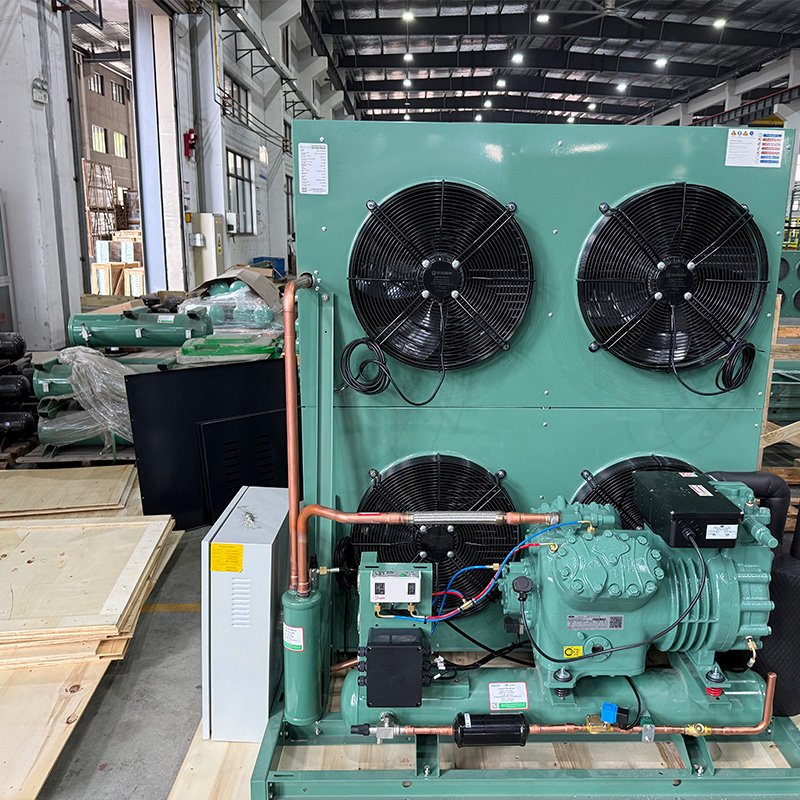
Proper installation of air cooled condensing units is vital to ensure optimal operation. Here are some essential steps:
Site Preparation: Ensure the installation area is clean and free from obstructions. The unit should be placed on a solid, level surface to prevent vibrations and ensure efficient operation.
Clearance Requirements: Follow the manufacturer’s guidelines regarding space requirements around the unit. Adequate airflow is essential for effective heat dissipation and to prevent overheating.
Electrical Connections: It’s critical to ensure that the electrical supply matches the unit’s specifications. Engage a qualified electrician for installation to avoid any electrical issues that could affect performance.
Refrigerant Lines: Ensure that refrigerant lines are properly insulated and secured to prevent leaks. Check for any potential points of failure, as leaks can result in reduced efficiency and increased operational costs.
Testing: After installation, conduct thorough testing to ensure the unit operates correctly. Monitor temperature settings and check for any unusual sounds or vibrations.
By adhering to these guidelines, buyers can ensure that their air cooled condensing units function efficiently in their cold storage rooms.
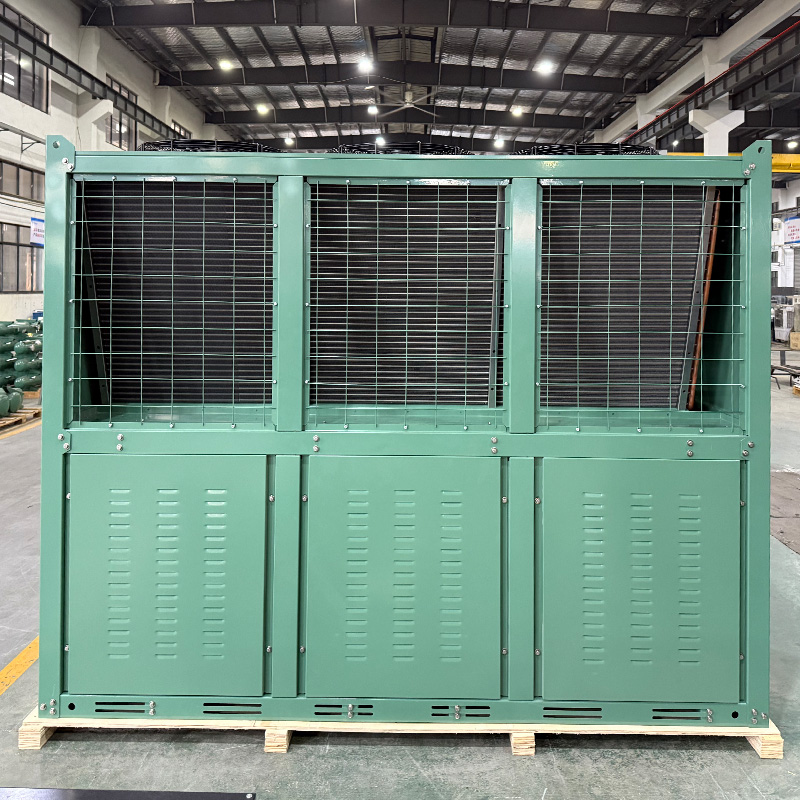
Air cooled condensing units can encounter several common issues that may affect performance. Here are some typical problems and potential solutions:
Insufficient Cooling: If the unit is not cooling effectively, check for blocked air filters or condenser coils. Regular maintenance, including cleaning these components, can significantly improve performance.
Excessive Noise: Noise can be caused by loose components or debris in the fan. Inspecting and tightening loose parts or cleaning the fan can often resolve this issue.
Refrigerant Leaks: If the unit is not cooling as expected, a refrigerant leak may be the culprit. Engage a qualified technician to locate and repair leaks, followed by recharging the system with the correct refrigerant type.
Electrical Failures: Frequent tripping of circuit breakers may indicate electrical issues. Inspect wiring, connections, and the unit’s power supply for faults.
Frost Build-Up: Excessive frost on evaporator coils can hinder performance. This may be due to low refrigerant levels or airflow issues. Regularly check and maintain refrigerant levels and ensure airflow is unobstructed.
Addressing these issues promptly can prolong the life of the condensing unit and enhance its efficiency.
With more than 20 years of knowledge, we've developed a a complete production and sales and after-sales system with more than 20 patent certificates and a highly skilled R&D EMTH team.
A modern plant of over 40000 square meters is in place to meet the majority Ice maker for under counter demands for production.
Special docking is available for a complete system of service. It includes creation of plans, Axial fans, landing plans, and after-sales support.
EMTH EMTH has a track record in the field with over 3,000+ happy customers.

Welcome to EMTH, a cold storage refrigeration equipment specialist in China! We offer innovative and effective cold storage solutions, including cold storage, evaporator, condensing unit and ice machine.
Room 304-305B, Building 5, BESHINE B.P, No. 559Zhuyuan Road, Minhang District 201112, Shanghai, China
Copyright © Shanghai EMTH Import & Export Co., Ltd. All Rights Reserved. - Privacy Policy
 EN
 AR
 BG
 HR
 CS
 DA
 NL
 FI
 FR
 DE
 EL
 IT
 JA
 KO
 NO
 PL
 PT
 RO
 RU
 ES
 TL
 IW
 ID
 LT
 SR
 VI
 HU
 TH
 MS
 AZ
 JW
 LO
 MN
 SO
 MY
 KK
 TG
 UZ
 GD
 XH