Air cooled condensers for cold storage rooms are critical components in efficient refrigeration systems, especially in industries requiring temperature-sensitive storage solutions. As a purchasing manager or engineer, understanding the specifications, purchasing tips, and installation guidance for these condensers, such as the YH Type Condenser, can significantly influence your decision-making process. This article aims to provide you with valuable insights into the essential features of air cooled condensers, tips for purchasing them wholesale, how to evaluate manufacturers, installation guidance, and the material advantages of these systems.
When selecting an air cooled condenser for a cold storage room, several key specifications must be considered to ensure optimal performance. These include:
Cooling Capacity: Measured in tons, this indicates how much heat the condenser can remove from the space. It’s crucial to match this capacity with the cooling load of the cold storage room to avoid inefficiencies.
Refrigerant Type: Different condensers are designed to work with specific refrigerants (e.g., R-410A, R-404A). Compatibility with the existing system is essential for performance and compliance with regulations.
Airflow Rate: This is typically measured in cubic feet per minute (CFM). The airflow must be adequate to dissipate the heat effectively, which is influenced by the condenser's size and design.
Operating Temperature Range: Air cooled condensers must operate efficiently within specific temperature ranges. Understanding these limits is vital for applications in varying climates.
Noise Levels: For installations near workspaces, noise output can be a concern. Look for specifications that indicate noise levels measured in decibels (dBA).
Choosing condensers that meet these specifications will help in maintaining efficiency and longevity in cold storage applications. Consider options like the Bitzer Condensing Unit for reliable performance.
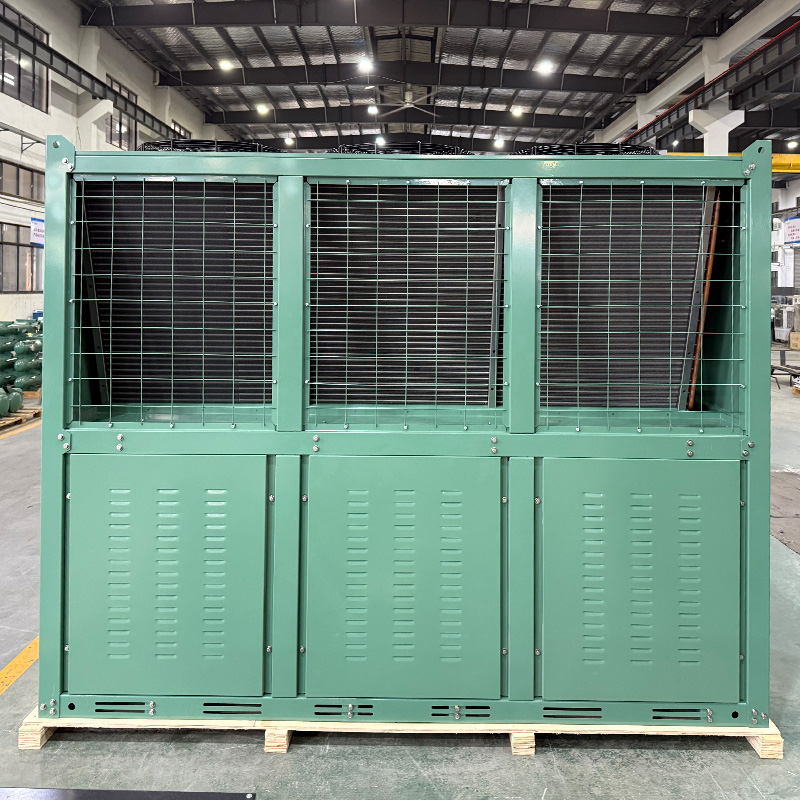
Purchasing air cooled condensers wholesale can lead to significant cost savings, but it requires careful planning. Here are some tips for a successful purchasing process:
Bulk Orders: Many manufacturers offer discounts for bulk purchases. Determine your projected needs for the upcoming season to negotiate better pricing.
Request Detailed Quotations: Ensure that your RFQ (Request for Quotation) includes specific details such as model numbers, capacities, refrigerant types, and any customization requirements. This clarity will help avoid misunderstandings and ensure accurate pricing.
Lead Times: Understand the manufacturer’s lead times, especially if your project has tight deadlines. Some manufacturers may have longer lead times depending on their production schedules.
Minimum Order Quantities (MOQ): Be aware of the MOQ set by suppliers. This will help you gauge whether a supplier is suitable for your purchasing needs.
Warranty and After-Sales Support: Evaluate the warranty offered on the products and the level of after-sales support. Reliable support can be crucial for resolving any issues during installation or operation.
Shipping and Handling: Clarify shipping costs and methods, especially if you are ordering large or heavy units. Discuss packaging methods to ensure that the condensers arrive intact.
By following these tips, you can streamline your purchasing process and secure favorable terms.
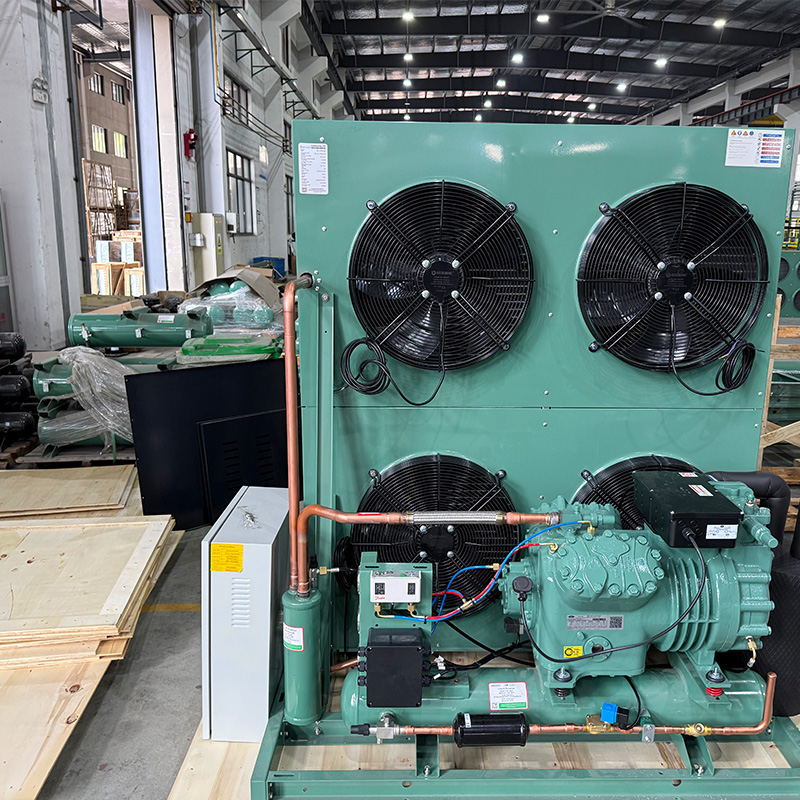
Choosing the right manufacturer is critical for ensuring quality and reliability in your air cooled condenser purchase. Here are factors to consider when evaluating potential suppliers:
Experience and Expertise: Look for manufacturers with a proven track record in producing refrigeration equipment. Companies with over 20 years of experience, like Shanghai EMTH, often have refined manufacturing processes and extensive product knowledge.
Certifications and Compliance: Verify if the manufacturer’s products meet industry standards and certifications. This can indicate their commitment to quality and performance.
Production Capabilities: Assess the manufacturer's production facilities and capabilities. A modern factory equipped with advanced machinery can produce high-quality condensers with consistent performance.
Customization Options: Determine if the manufacturer can accommodate specific requirements or modifications based on your application needs. This flexibility can be beneficial for unique installations.
Customer Reviews and References: Seek testimonials or reviews from other businesses that have purchased from the manufacturer. Positive feedback can be a strong indicator of reliability.
Quality Control Processes: Inquire about the manufacturer's quality control measures. A robust quality assurance program can help prevent issues during production and delivery.
By thoroughly evaluating these factors, you can select a manufacturer that aligns with your expectations and requirements.
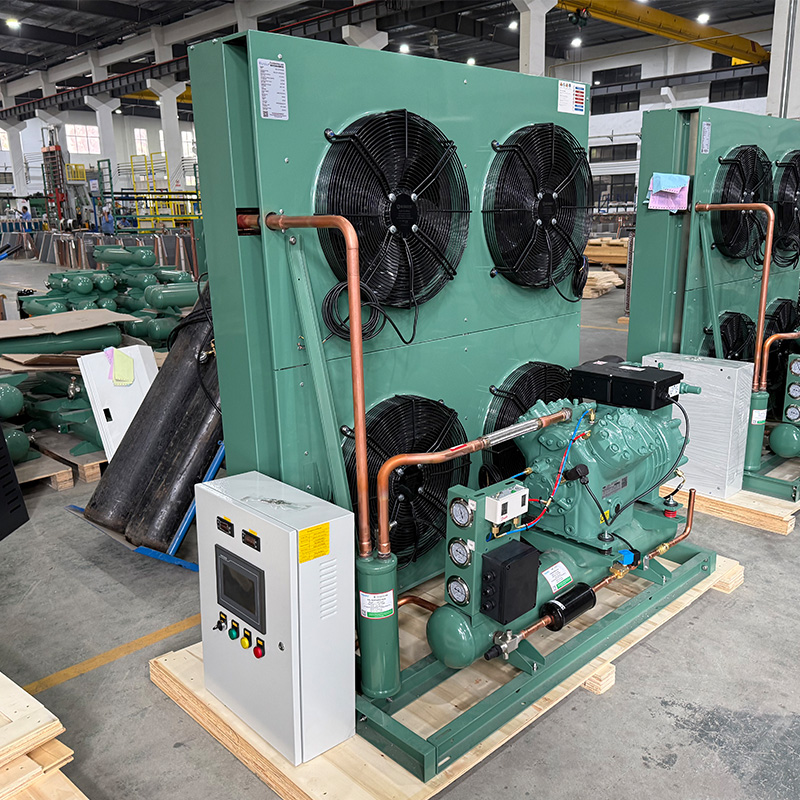
Proper installation of air cooled condensers is vital for maximizing their efficiency and lifespan. Here are some expert tips to guide you through the installation process:
Location and Positioning: Install the condenser in a location with adequate airflow and away from obstructions. Ensure that the unit is level to prevent operational issues.
Electrical Connections: Verify that the electrical supply matches the specifications of the condenser. Proper wiring is essential to avoid failures or safety hazards.
Refrigerant Piping: Ensure that the refrigerant lines are insulated and properly routed to prevent leaks and maintain efficiency. The diameter of the piping should match the manufacturer's recommendations.
Testing Before Use: After installation, conduct a thorough testing of the system before it goes into full operation. This includes checking for leaks and ensuring that the system reaches the designated operating temperatures.
Maintenance Access: Design the installation with maintenance in mind. Ensure easy access to components for routine inspections and servicing.
By following these guidelines, you can help ensure that your air cooled condenser operates efficiently and reliably within your cold storage system.
Complete service program, from formulating of plans to the production and Cooling room, to after-sales service, there are specific docking.
Over 20 years of experience, we have the complete sales and after-sales systems with more than 20 patents and a professional R&D EMTH team.
A modern plant of over 4000 square meters is in operation to meet the majority Refrigeration condenser production requirements.
EMTH has a long-standing track record of success in the industry with more than 3,000 satisfied customers.

Welcome to EMTH, a cold storage refrigeration equipment specialist in China! We offer innovative and effective cold storage solutions, including cold storage, evaporator, condensing unit and ice machine.
Room 304-305B, Building 5, BESHINE B.P, No. 559Zhuyuan Road, Minhang District 201112, Shanghai, China
Copyright © Shanghai EMTH Import & Export Co., Ltd. All Rights Reserved. - Privacy Policy
 EN
 AR
 BG
 HR
 CS
 DA
 NL
 FI
 FR
 DE
 EL
 IT
 JA
 KO
 NO
 PL
 PT
 RO
 RU
 ES
 TL
 IW
 ID
 LT
 SR
 VI
 HU
 TH
 MS
 AZ
 JW
 LO
 MN
 SO
 MY
 KK
 TG
 UZ
 GD
 XH