Air cooled condensing units for walk-in coolers are essential components in refrigeration systems, providing efficient cooling for various commercial applications. For purchasing managers and engineers, understanding the intricacies of these units is crucial to ensure optimal performance and reliability. This article will discuss key factors to consider when selecting an air cooled condensing unit, specifications that impact functionality, common issues and their solutions, cost considerations, and the diverse applications of these units in the refrigeration industry.
When selecting an air cooled condensing unit for a walk-in cooler, several considerations should guide your decision. First, assess the cooling capacity required for your specific application. This is often measured in BTUs (British Thermal Units) and depends on factors such as the cooler's dimensions, the type of products stored, and the ambient temperature conditions.
Next, consider the unit's energy efficiency. Look for models with high SEER (Seasonal Energy Efficiency Ratio) ratings; these are designed to use less energy while providing adequate cooling, helping to reduce operational costs over time. Additionally, check for compatibility with your existing refrigeration system, ensuring that the unit can operate effectively within the specified temperature range. You may want to explore various Refrigeration Accessories to optimize your setup.
Another critical aspect is the unit's noise level. Depending on the installation location, a quieter unit may be necessary to minimize disturbances. Finally, investigate the manufacturer's reputation, warranty terms, and service options, as these can significantly affect the unit's long-term performance and reliability.
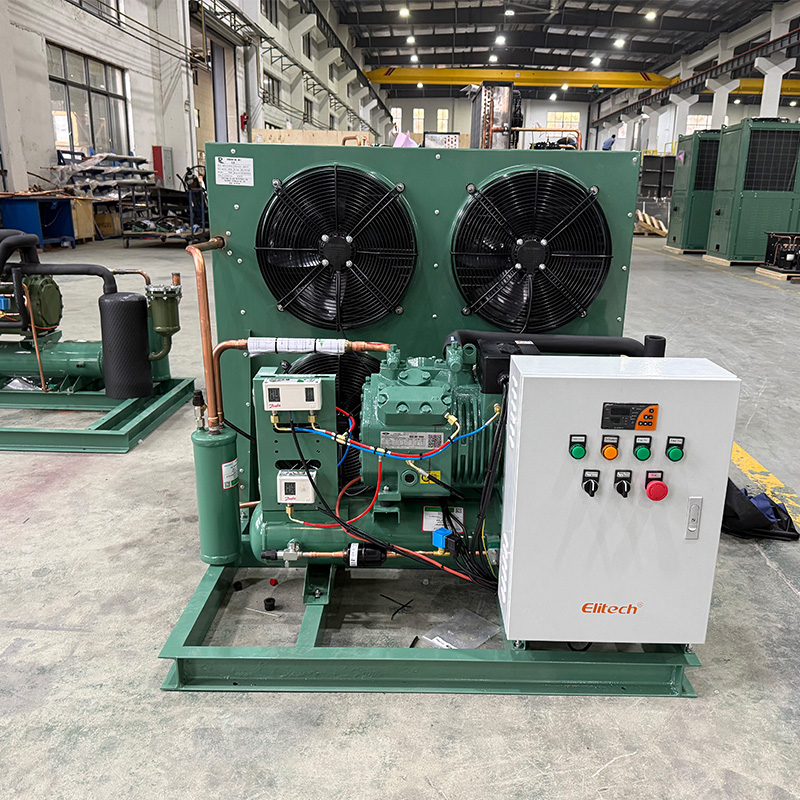
Air cooled condensing units come with various specifications that impact their performance and suitability for different applications. Key specifications include:
Cooling Capacity (BTUs): This determines how much heat the unit can remove from the cooler per hour. It's essential to select a unit with adequate capacity to maintain desired temperatures without overworking the system.
Compressor Type: The type of compressor (scroll, reciprocating, or rotary) affects efficiency and noise levels. Scroll compressors are often preferred for their quiet operation and higher efficiency.
Refrigerant Type: The choice of refrigerant impacts the unit's environmental footprint and efficiency. Modern units may use refrigerants like R-410A or R-134A, which are more environmentally friendly than older options.
Fan Type: Units may feature different fan configurations (axial or centrifugal), impacting airflow and efficiency. Axial fans are generally more efficient for larger units, while centrifugal fans may be better for compact designs. For instance, Axial Fans are often used in larger setups.
Dimensions and Weight: Ensure the unit fits in the intended installation space and can be adequately supported. Consider the weight for installation and potential transportation issues.
Each of these specifications plays a critical role in the operational efficiency and effectiveness of the air cooled condensing unit. Buyers should confirm these details with manufacturers to ensure compatibility with their specific applications.
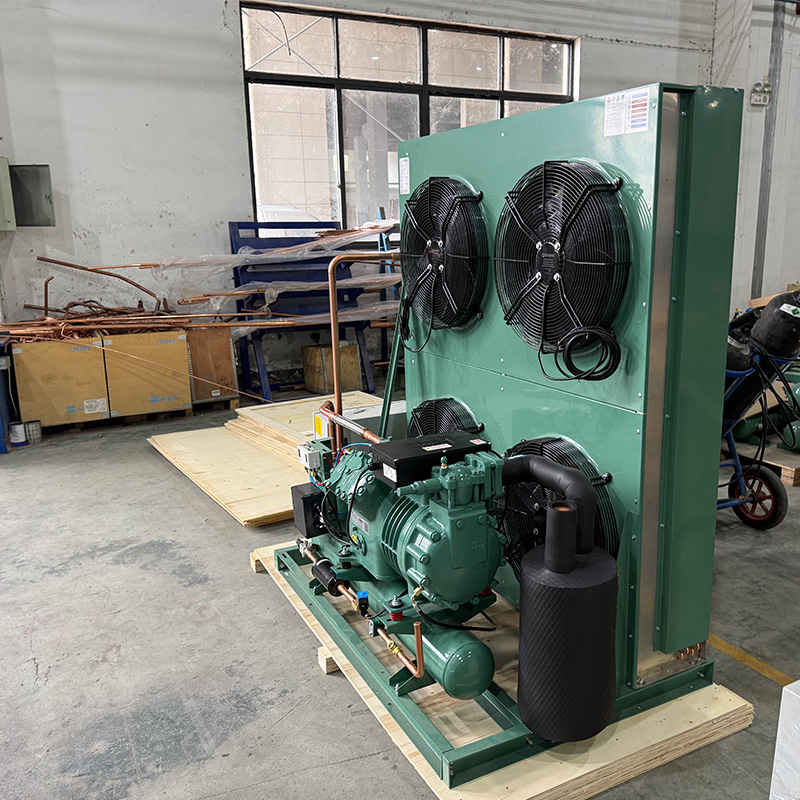
Despite their efficiency, air cooled condensing units can encounter several common problems. Understanding these issues and their solutions is vital for maintaining optimal operation:
Insufficient Cooling: This can be caused by inadequate refrigerant levels, dirty condenser coils, or a malfunctioning compressor. Regular maintenance, including cleaning coils and checking refrigerant levels, can help prevent this issue.
High Noise Levels: Excessive noise may result from loose components, worn-out bearings, or a malfunctioning fan. Conducting regular inspections and addressing wear and tear can mitigate noise problems.
Frequent Cycling: If the unit frequently turns on and off, it may indicate an oversized unit, a faulty thermostat, or issues with the refrigerant charge. Proper sizing of the unit and ensuring the thermostat is calibrated can help resolve this issue.
Frost Build-Up: Frost accumulation on the evaporator can lead to reduced efficiency and increased energy consumption. This is often caused by low refrigerant levels or poor airflow. Ensuring the correct refrigerant charge and maintaining airflow can alleviate this problem.
Understanding these common issues allows purchasing managers and maintenance teams to prepare for potential challenges and implement proactive measures.
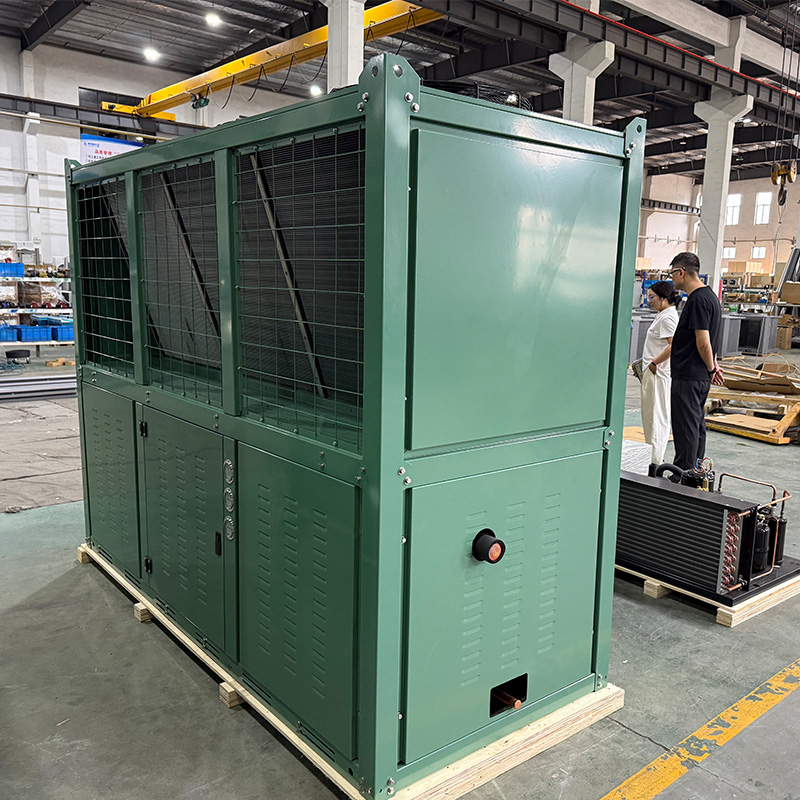
The cost of air cooled condensing units for walk-in coolers can vary significantly based on several factors. Key considerations include:
Unit Size and Capacity: Larger units with higher cooling capacities typically come at a higher price. It's essential to balance cost with required cooling performance to avoid overspending.
Energy Efficiency Ratings: Units with higher SEER ratings may have a higher upfront cost but can lead to significant savings on energy bills over time. Evaluating the total cost of ownership is essential when making a decision.
Customization Options: If custom features or specifications are required, this can increase the initial cost. Discussing customization needs early in the purchasing process can help manage expectations regarding pricing.
Installation Costs: Don't forget to factor in the installation costs, which can vary based on the complexity of the setup and local labor rates. Obtaining quotes from multiple contractors is advisable for budget planning.
Maintenance and Warranty: Consider ongoing maintenance costs and warranty terms. Units with comprehensive warranties may have higher initial costs, but they can provide peace of mind and reduce long-term expenses.
Understanding these cost factors helps buyers allocate budgets effectively and make informed purchasing decisions.
Over 20 years of experience, we have the complete sales and after-sales systems with more than 20 patents and a professional R&D EMTH team.
EMTH EMTH has a solid track record in the field, with over 3,000+ happy customers.
The modern factory has an area greater than 40,000 square meters, to satisfy the majority of the EMTH production requirements.
Special docking is available for a complete system of service. It includes creation of plans, Axial fans, landing plans, and after-sales support.

Welcome to EMTH, a cold storage refrigeration equipment specialist in China! We offer innovative and effective cold storage solutions, including cold storage, evaporator, condensing unit and ice machine.
Room 304-305B, Building 5, BESHINE B.P, No. 559Zhuyuan Road, Minhang District 201112, Shanghai, China
Copyright © Shanghai EMTH Import & Export Co., Ltd. All Rights Reserved. - Privacy Policy
 EN
 AR
 BG
 HR
 CS
 DA
 NL
 FI
 FR
 DE
 EL
 IT
 JA
 KO
 NO
 PL
 PT
 RO
 RU
 ES
 TL
 IW
 ID
 LT
 SR
 VI
 HU
 TH
 MS
 AZ
 JW
 LO
 MN
 SO
 MY
 KK
 TG
 UZ
 GD
 XH