When considering refrigeration solutions for cold rooms, the 3HP condensing unit stands out as a critical component. This unit provides the necessary cooling capacity for maintaining optimal temperatures in various applications, from food storage to industrial processes. B2B buyers, including purchasing managers and engineers, often seek reliability, efficiency, and cost-effectiveness when sourcing these units. This article will delve into essential considerations for sourcing 3HP condensing units, their specifications, supplier recommendations, installation guidelines, and common issues, providing you with the knowledge needed to make informed purchasing decisions.
When sourcing a 3HP condensing unit for cold rooms, several factors must be evaluated to ensure optimal performance and compatibility with your specific needs. First, assess the cooling capacity required for your application. The 3HP rating indicates the unit's ability to handle a specific load, typically suitable for medium-sized cold rooms.
Next, consider the environmental conditions in which the unit will operate. Factors such as ambient temperature, humidity levels, and the specific products being stored can influence cooling requirements. It’s also vital to evaluate the energy efficiency of the unit, as energy costs can significantly impact overall operational expenses. Look for units with high EER (Energy Efficiency Ratio) values or inverter technology, which adjusts compressor speed based on cooling demand, ultimately providing energy savings.
Additionally, examine the materials and build quality of the condensing unit. A robust construction using corrosion-resistant materials can enhance the durability and lifespan of the unit, particularly in humid or harsh environments. Lastly, inquire about customization options, as specific configurations may be necessary to fit your cold room design and operational needs.
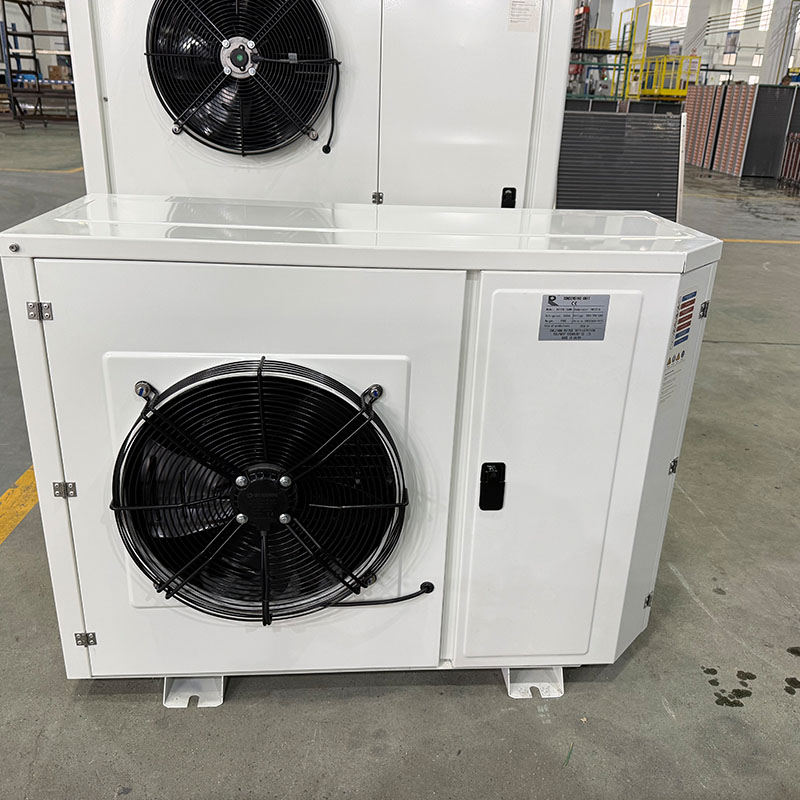
Understanding the key specifications of a 3HP condensing unit is essential for evaluating its performance and suitability for your application. Key specifications to consider include:
Cooling Capacity: Measured in BTU/hr or kW, this indicates the amount of heat the unit can remove from the cold room. Ensure the capacity aligns with your cooling requirements.
Compressor Type: Common types include reciprocating, scroll, and rotary compressors. Each type has its advantages in terms of efficiency and noise levels. For example, scroll compressors are known for their quiet operation and reliability.
Refrigerant Type: Modern units often use environmentally friendly refrigerants such as R410A or R134a. Ensure compliance with local regulations regarding refrigerant use and phase-out timelines.
Condenser and Evaporator Coils: The efficiency of heat exchange depends on the design and material of these coils. Copper coils tend to offer better thermal conductivity compared to aluminum.
Operating Pressure: Verify the unit's operating pressure range to ensure it can handle the conditions of your specific application without risking failure or inefficiency.
Size and Dimensions: Ensure the physical dimensions of the unit fit within your cold room design, allowing for proper airflow and maintenance access.
Noise Levels: For units installed in proximity to workspaces, assess the noise output, usually measured in decibels (dB), to ensure it meets acceptable limits for your environment.
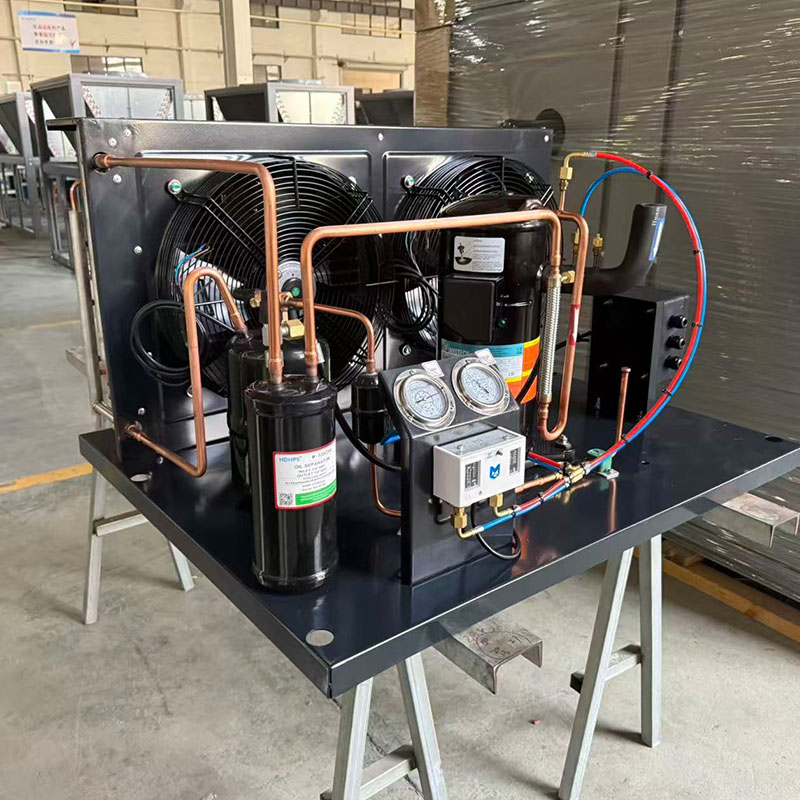
Identifying reliable suppliers for 3HP condensing units is crucial to ensure quality and support. Start by researching manufacturers with a proven track record in refrigeration equipment, such as Shanghai EMTH, which specializes in high-quality refrigeration solutions and has over 20 years of industry experience. Look for suppliers that offer comprehensive cold room solutions, as they can provide not just the condensing units but also ancillary equipment and installation services.
Check for certifications and quality assurance processes that ensure the products meet stringent industry standards. Suppliers should also provide clear documentation regarding the units, including specifications, warranty information, and maintenance guidelines.
Networking within industry associations or attending trade shows can also lead to valuable supplier connections. Online platforms and marketplaces can offer a range of options, but always verify the credibility of the supplier through reviews, ratings, and case studies from other businesses.
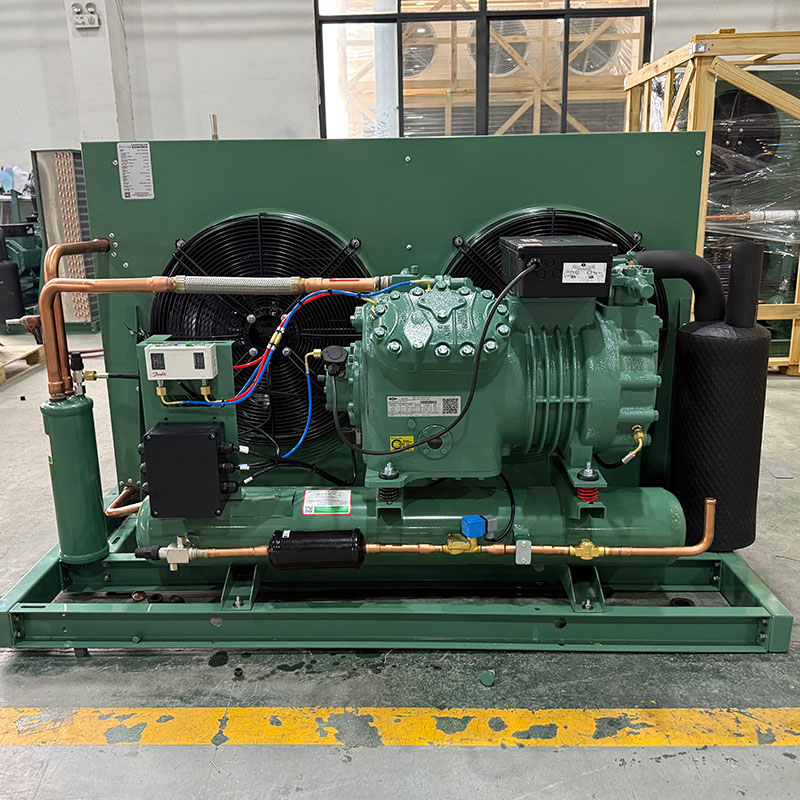
Proper installation of a 3HP condensing unit is vital for efficient operation and longevity. Start by ensuring the installation site is appropriately selected, with adequate space for airflow and maintenance. The unit should be placed on a solid and level foundation to prevent vibration and noise issues.
Next, follow the manufacturer's installation manual closely, paying attention to electrical connections, refrigerant lines, and drainage systems. It’s advisable to have qualified technicians handle installation to ensure compliance with safety standards and local regulations, particularly concerning electrical connections and refrigerant handling.
Inspect the unit for any shipping damage before installation, and be sure to check that all components are included. After installation, conduct a thorough system check, including pressure tests and leak detection, to confirm the unit operates correctly. Regular maintenance checks should also be scheduled to ensure optimal performance.
More than 20 years of' experience and an experienced R&D EMTH team.
Special docking is offered for a complete service. This includes the design of Coldrooms, production installation, landing projects, and after-sales support.
EMTH EMTH has a track record in the field with over 3,000+ happy customers.
The modern factory has an area greater than 40,000 square meters, to satisfy the majority of the EMTH production requirements.

Welcome to EMTH, a cold storage refrigeration equipment specialist in China! We offer innovative and effective cold storage solutions, including cold storage, evaporator, condensing unit and ice machine.
Room 304-305B, Building 5, BESHINE B.P, No. 559Zhuyuan Road, Minhang District 201112, Shanghai, China
Copyright © Shanghai EMTH Import & Export Co., Ltd. All Rights Reserved. - Privacy Policy
 EN
 AR
 BG
 HR
 CS
 DA
 NL
 FI
 FR
 DE
 EL
 IT
 JA
 KO
 NO
 PL
 PT
 RO
 RU
 ES
 TL
 IW
 ID
 LT
 SR
 VI
 HU
 TH
 MS
 AZ
 JW
 LO
 MN
 SO
 MY
 KK
 TG
 UZ
 GD
 XH