A cold room freezer condensing unit is an essential component in refrigeration systems, particularly for businesses that require temperature-controlled environments. These units work by removing heat from the cold room, maintaining the desired low temperatures for perishable goods. As a purchasing manager or distributor, you may have several concerns, including efficiency, compatibility, and long-term reliability. This article will help you understand the key factors to consider when selecting a cold room freezer condensing unit, evaluate suppliers, and explore installation and application insights to facilitate informed purchasing decisions.
When selecting a cold room freezer condensing unit, several critical factors must be taken into account to ensure optimal performance and longevity:
Cooling Capacity: This is a primary specification that denotes the amount of heat the unit can remove from the environment over a specific period. It is typically measured in BTUs or kilowatts. The cooling capacity should match the size of the cold room and the expected heat load from stored goods, ambient temperature, and door openings.
Energy Efficiency: Look for units with high energy efficiency ratings. An energy-efficient condensing unit will lower operational costs and reduce environmental impact. Check for certifications like Energy Star, which indicate compliance with energy efficiency standards.
Refrigerant Type: The choice of refrigerant is crucial, as it affects both efficiency and environmental impact. Common refrigerants include R134a, R404A, and R410A. Ensure that the selected refrigerant complies with local regulations regarding environmental sustainability. For instance, the Bitzer Condensing Unit is known for its effective refrigerant use.
Temperature Range: Confirm that the unit can maintain the required temperatures for your specific application. Different products may require different temperature ranges, so it's vital to ensure the condensing unit can accommodate these needs.
Durability and Build Quality: Assess the materials used in the unit's construction. High-quality materials can enhance longevity and performance, especially in demanding environments. For enhanced durability, consider options like the Refcomp Condensing Unit.
By carefully considering these factors, you can ensure that you select a cold room freezer condensing unit that meets your operational needs and budget.
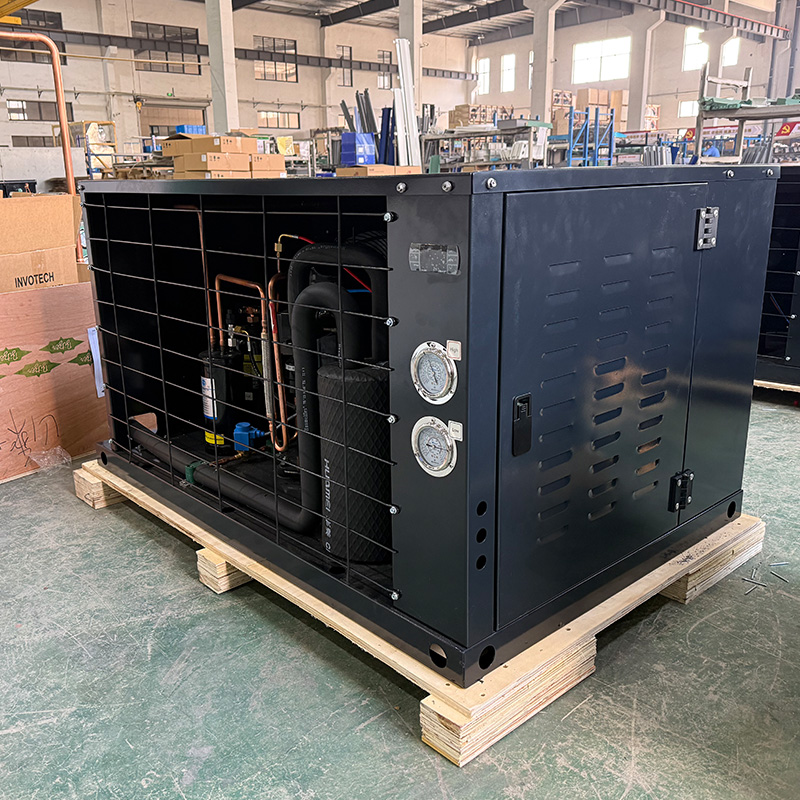
Finding a trustworthy supplier is crucial for acquiring cold room freezer condensing units that meet your specifications and standards. Here are some tips for evaluating potential suppliers:
Experience and Reputation: Look for suppliers with a strong track record in the refrigeration industry. Companies with over 20 years of experience, like Shanghai EMTH, typically have the expertise needed to provide reliable and high-quality products.
Product Range and Customization: A supplier that offers a diverse range of products, including various models and specifications of condensing units, can better meet specific requirements. Additionally, assess their ability to provide custom solutions tailored to your application needs.
Quality Assurance: Evaluate the supplier's quality control processes. Reliable manufacturers will have rigorous testing protocols to ensure that their products meet industry standards before shipment.
After-Sales Support: Consider suppliers that offer comprehensive after-sales support, including installation guidance, maintenance services, and readily available replacement parts.
Certifications and Compliance: Check if the supplier adheres to relevant industry certifications and standards. This can provide assurance regarding the product's quality and safety.
By focusing on these criteria, you can establish a partnership with a supplier that will support your refrigeration needs over the long term.
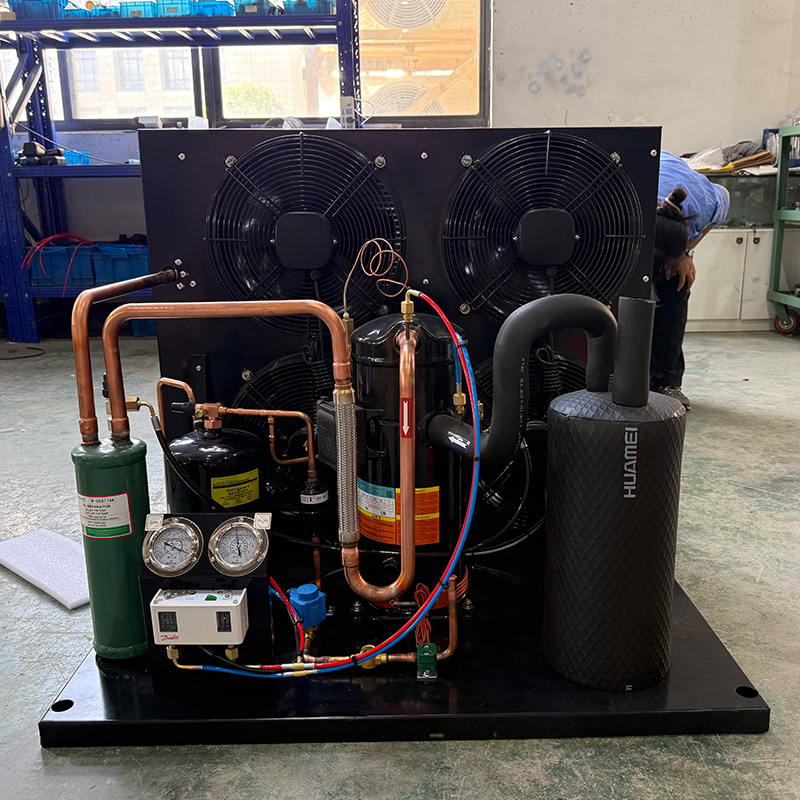
Proper installation of cold room freezer condensing units is essential for achieving optimal performance and efficiency. Here are key guidelines to follow:
Location Selection: The condensing unit should be installed in a location that allows for sufficient airflow around the unit. Avoid placing it in areas with obstructions that could impede airflow or expose it to excessive heat.
Mounting: Ensure that the unit is securely mounted according to the manufacturer’s recommendations. Proper mounting prevents vibrations that can lead to mechanical failures and enhances the unit’s longevity.
Electrical Connections: Ensure that electrical connections meet local codes and the manufacturer's specifications. Consider hiring a qualified electrician to perform these installations to guarantee safety and compliance.
Refrigerant Line Insulation: Insulate refrigerant lines adequately to minimize energy loss and ensure efficient operation. Uninsulated lines can lead to significant energy waste, negatively affecting overall efficiency.
Regular Maintenance: Establish a routine maintenance schedule to check and clean the unit, ensuring it operates at peak efficiency. Regular inspections can help identify potential issues before they escalate into costly repairs.
By adhering to these installation guidelines, you can maximize the performance and reliability of your cold room freezer condensing unit.
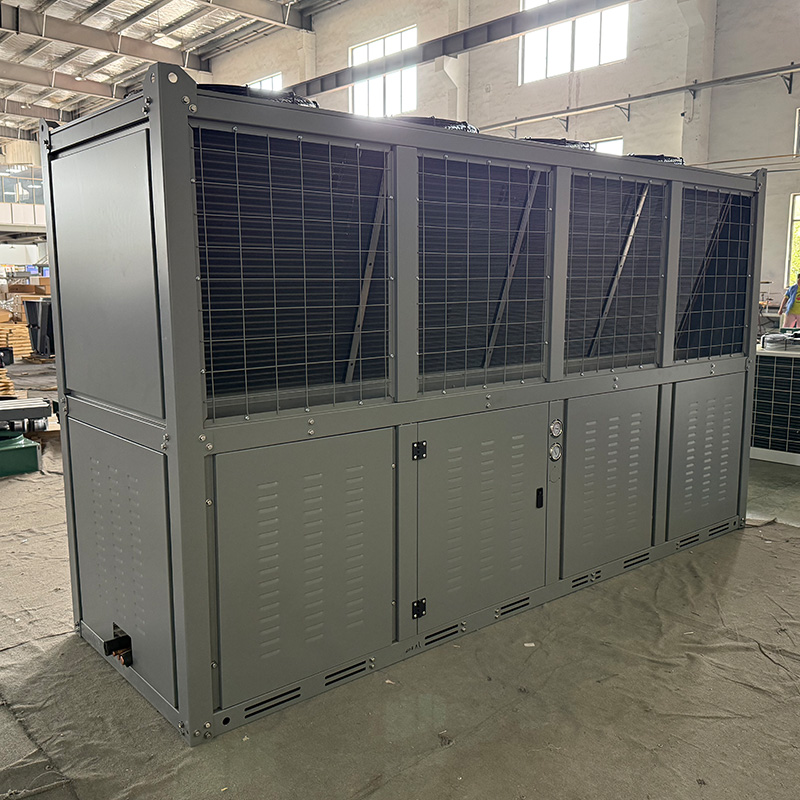
Cold room freezer condensing units find applications across a variety of industries, each with unique requirements:
Food and Beverage: In the food and beverage industry, these units are crucial for preserving perishable goods, including meats, dairy products, and beverages. Maintaining consistent low temperatures helps to prevent spoilage and extend shelf life.
Pharmaceuticals: The pharmaceutical industry relies on cold room freezers to store sensitive medications and vaccines. Precise temperature control is essential to ensure the efficacy of these products.
Floral and Horticulture: Cold room freezer units are used to store flowers and plants, ensuring they remain fresh for longer periods. Proper temperature management is vital to prevent wilting and decay.
Logistics and Distribution: In logistics, these units are integral to maintaining the cold chain during the transportation and storage of temperature-sensitive products. They help ensure that goods remain within required temperature ranges from point of origin to destination.
By understanding the diverse applications of cold room freezer condensing units, you can better determine which specifications and features are necessary for your industry needs.
A modern factory of over 40000 square meters is in place to meet the majority of the EMTH production needs.
After more than 20 years of expertise, we've got full sales and production and after-sales process with more than 20 patent certificates and a skilled R&D EMTH team.
EMTH EMTH has a track record in the field with over 3,000+ happy customers.
Special docking is available for a complete system of service. It includes creation of plans, Ice cube machine, landing plans, and after-sales support.

Welcome to EMTH, a cold storage refrigeration equipment specialist in China! We offer innovative and effective cold storage solutions, including cold storage, evaporator, condensing unit and ice machine.
Room 304-305B, Building 5, BESHINE B.P, No. 559Zhuyuan Road, Minhang District 201112, Shanghai, China
Copyright © Shanghai EMTH Import & Export Co., Ltd. All Rights Reserved. - Privacy Policy
 EN
 AR
 BG
 HR
 CS
 DA
 NL
 FI
 FR
 DE
 EL
 IT
 JA
 KO
 NO
 PL
 PT
 RO
 RU
 ES
 TL
 IW
 ID
 LT
 SR
 VI
 HU
 TH
 MS
 AZ
 JW
 LO
 MN
 SO
 MY
 KK
 TG
 UZ
 GD
 XH