Air cooled condensing units are essential components in the refrigeration systems of walk-in freezers, providing efficient cooling while optimizing energy use. For B2B buyers, including purchasing managers and engineers, selecting the right air cooled condensing unit is critical for ensuring effective operation and minimizing costs. This article will explore key considerations in choosing an air cooled condensing unit for your walk-in freezer, including specifications, cost factors, common issues, and applications within the cold storage industry.
Selecting the right air cooled condensing unit for a walk-in freezer involves several critical considerations. First, assess the cooling capacity required for your specific application, which is usually measured in BTUs (British Thermal Units). This capacity must align with the volume of the freezer, the expected load, and the ambient temperature conditions.
Next, consider the refrigerant type used in the condensing unit. Common options include R-404A and R-410A, each with different efficiency levels and environmental impacts. Ensure that the unit complies with local regulations regarding refrigerants and energy efficiency standards.
Additionally, evaluate the unit's physical size and configuration. The unit must fit within the designated space while allowing for adequate airflow and access for maintenance. Customization options may also be necessary based on the specific layout of your facility. For instance, the Bitzer Condensing Unit is known for its adaptability to various configurations.
Finally, factor in the unit's noise level, especially if the installation is near work areas. A quieter unit may be preferable for operational comfort.
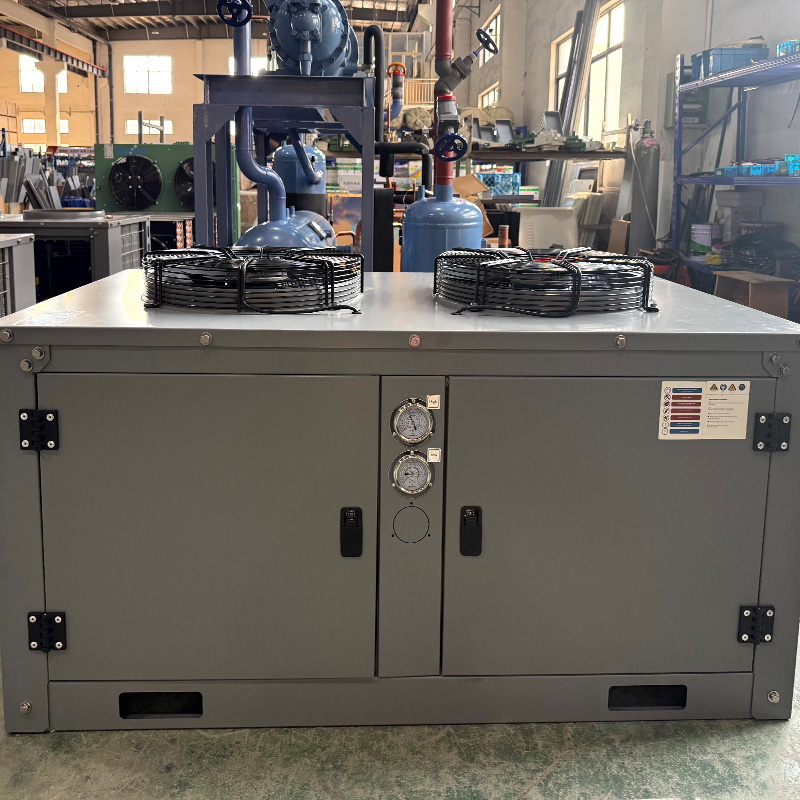
When evaluating air cooled condensing units, several key specifications should be carefully considered:
Cooling Capacity: This is crucial for ensuring the unit can handle the cooling demands of the walk-in freezer. An undersized unit may lead to inadequate cooling, while an oversized unit can lead to energy waste and fluctuating temperatures.
Efficiency Rating: Look for the Energy Efficiency Ratio (EER) or Seasonal Energy Efficiency Ratio (SEER) ratings. Higher ratings indicate more efficient units that can lead to cost savings over time. The H Type Condensing Units are a great example of units designed for optimal efficiency.
Compressor Type: The type of compressor (scroll, reciprocating, or screw) affects performance and reliability. Scroll compressors are typically quieter and more efficient, making them a favored choice for commercial refrigeration.
Operating Temperature Range: Ensure the unit can operate effectively within the temperature range required for your products. Some units are designed for low-temperature applications, while others may only be suitable for moderate cooling.
Electrical Requirements: Confirm that the electrical specifications match your facility's power supply, including voltage and phase requirements.
Material and Build Quality: The unit’s housing should be made of durable materials that can withstand the operational environment, including corrosion resistance if exposed to moisture.
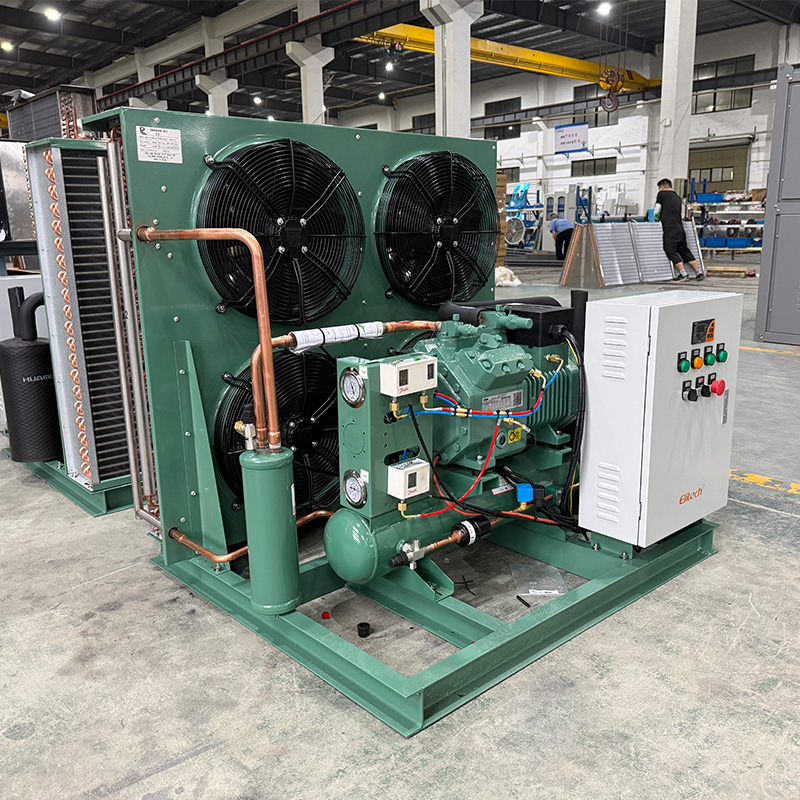
The cost of air cooled condensing units varies based on several factors. First, the initial purchase price is influenced by the unit's capacity, efficiency ratings, and brand reputation. Higher quality units often come with a higher upfront cost but can lead to long-term savings through reduced energy consumption and maintenance needs.
Installation costs also play a significant role. Complex installations may require specialized labor, increasing overall expenses. It’s vital to obtain quotes that include both the unit and the installation.
Additionally, consider ongoing operational costs, including electricity and maintenance. Units with higher efficiency ratings may have a higher initial cost but can be more economical over their lifespan due to lower energy bills.
Finally, think about warranty and support options. Units with extended warranties and reliable customer service may have slightly higher costs but provide peace of mind and reduced risk of unexpected expenses.
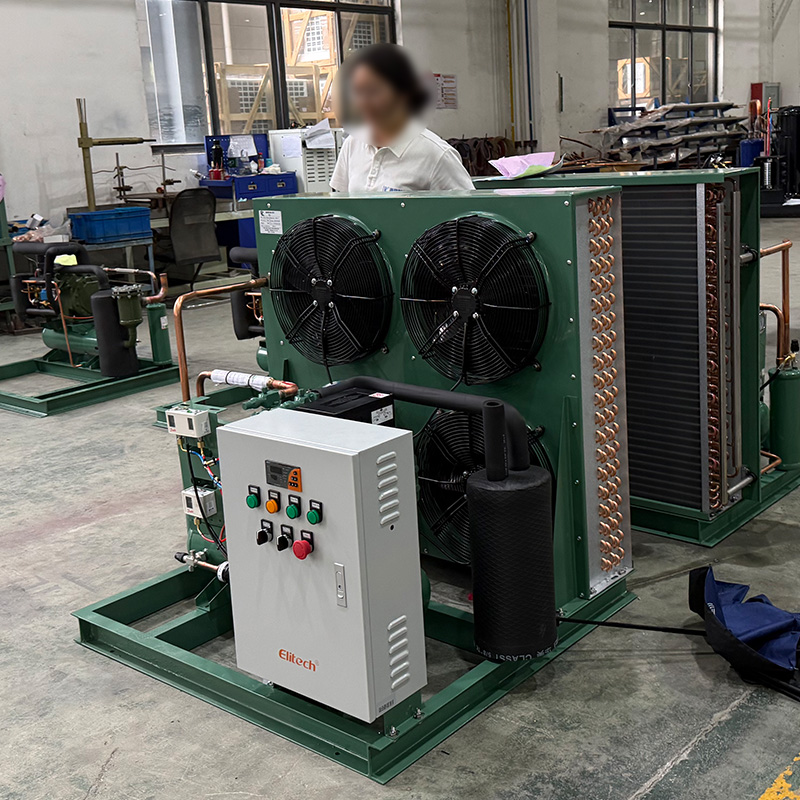
Air cooled condensing units can encounter various issues that may affect performance. Here are some common problems and potential solutions:
Inadequate Cooling: If the unit fails to maintain the desired temperature, check for refrigerant leaks, dirty condenser coils, or inadequate airflow due to obstructions. Regular cleaning and maintenance can prevent these issues.
High Energy Bills: This could indicate inefficiencies in the unit or a need for maintenance. Ensure that the unit is operating at its optimal efficiency by checking for worn components and ensuring that the system is properly charged with refrigerant.
Noise Issues: Excessive noise may stem from loose components or a failing compressor. Regular inspections can identify issues early, allowing for timely repairs before they escalate.
Frost Build-Up: This often results from improper airflow or low refrigerant levels. Check fan operation and refrigerant levels to ensure the unit operates correctly.
By being proactive in maintenance and addressing issues swiftly, buyers can enhance the reliability and performance of their air cooled condensing units.
More than 20 years of of experience and a professional R&D EMTH staff.
The modern factory has an area greater than 40,000 square meters, to satisfy the majority of the EMTH production requirements.
With a strong name in the industry, and over 3,000+ clients served, EMTH EMTH is a trustworthy and reliable supplier who has been recognized by other customers.
Complete service program, from formulating of plans to the production and Cooling room, to after-sales service, there are specific docking.

Welcome to EMTH, a cold storage refrigeration equipment specialist in China! We offer innovative and effective cold storage solutions, including cold storage, evaporator, condensing unit and ice machine.
Room 304-305B, Building 5, BESHINE B.P, No. 559Zhuyuan Road, Minhang District 201112, Shanghai, China
Copyright © Shanghai EMTH Import & Export Co., Ltd. All Rights Reserved. - Privacy Policy
 EN
 AR
 BG
 HR
 CS
 DA
 NL
 FI
 FR
 DE
 EL
 IT
 JA
 KO
 NO
 PL
 PT
 RO
 RU
 ES
 TL
 IW
 ID
 LT
 SR
 VI
 HU
 TH
 MS
 AZ
 JW
 LO
 MN
 SO
 MY
 KK
 TG
 UZ
 GD
 XH