Understanding the nuances of a condensing unit, particularly a 2HP model, is essential for B2B buyers in various industries, including refrigeration, HVAC, and food services. Buyers are typically concerned with reliability, efficiency, and compatibility with existing systems. This article aims to clarify key aspects of 2HP condensing units, helping you make informed decisions for your distribution needs, project specifications, and potential challenges.
When sourcing 2HP condensing units, it’s crucial to partner with manufacturers that demonstrate proven expertise and quality assurance. Look for companies with a strong track record in refrigeration equipment, such as Shanghai EMTH, which operates under Zhejiang RUIXUE. With over 20 years of experience and numerous patents, reputable manufacturers can provide both standard and customizable solutions tailored to your specific requirements.
Consider sourcing from manufacturers that offer comprehensive service packages, including technical support, installation guidance, and after-sales service. This ensures you’ll have assistance throughout the lifecycle of the unit, from initial purchase to operation and maintenance. Furthermore, verify their export capabilities and market presence, as these factors often indicate reliability and product quality.
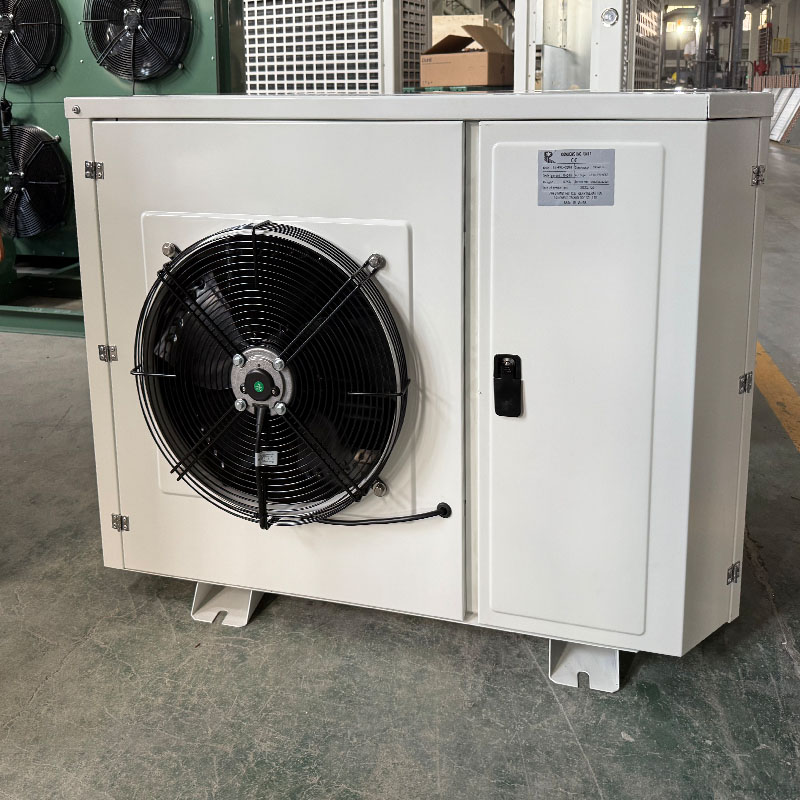
When evaluating 2HP condensing units, several specifications are vital for ensuring the unit meets your project needs:
Cooling Capacity: The cooling capacity, typically measured in BTUs, indicates how much heat the unit can remove. Ensure it aligns with your application’s requirements. For instance, a unit with a higher capacity than necessary may lead to inefficiencies.
Compressor Type: Different compressors (scroll, reciprocating, or rotary) have distinct performance characteristics. Scroll compressors, for example, tend to be quieter and more efficient, making them suitable for many commercial applications. Consider models like the Compressor For Refrigeration Tools And Equipment for your needs.
Refrigerant Type: Verify the refrigerant used (e.g., R-410A, R-404A) to ensure it meets environmental regulations and is compatible with your existing systems. This can impact operational efficiency and maintenance requirements.
Dimensions and Weight: Ensure the unit’s size fits within your designated installation area. Additionally, consider the weight for transport and installation logistics.
Energy Efficiency Rating: Look for units with high energy efficiency ratings (EER or SEER), as these can reduce operational costs and align with sustainability goals.
Certification and Compliance: Check for relevant quality certifications (e.g., ISO, CE) to ensure the unit meets industry standards. This can be critical for regulatory compliance in certain markets.
By thoroughly comparing these specifications, you can select a 2HP condensing unit that optimally fits your project requirements.
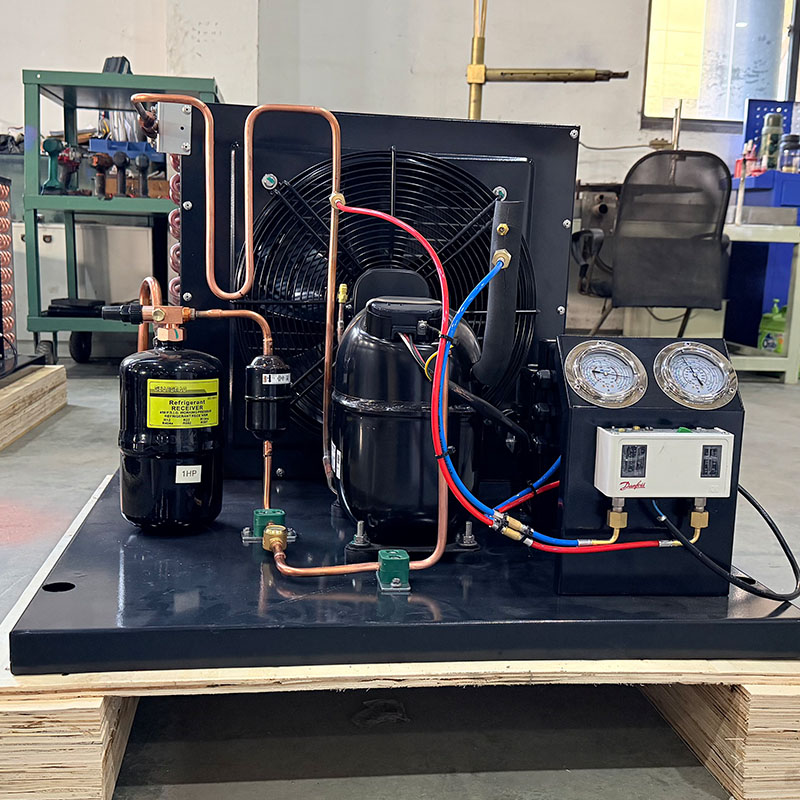
When procuring a 2HP condensing unit, following a structured approach can streamline the purchasing process:
Define Your Requirements: Clearly outline your project's cooling needs, installation space, and any specific features desired.
Request Detailed Quotations: Provide potential suppliers with detailed specifications and request comprehensive quotes. Include information about your project timeline, expected delivery dates, and quantity.
Evaluate Samples: Before placing a bulk order, request a sample unit for evaluation. This allows you to assess its compatibility with your systems, verify performance under actual conditions, and inspect build quality.
Check References and Reviews: Investigate the supplier’s reputation by checking references, reading customer reviews, and evaluating their market presence.
Negotiate Terms: Discuss payment terms, minimum order quantities (MOQ), and lead times. Understanding these factors early can prevent unexpected delays or costs.
Plan for Installation and Maintenance: Ensure you have a plan for installation, including necessary tools and skilled personnel. Additionally, consider long-term maintenance requirements and availability of replacement parts, such as Refrigerator spare parts compressors.
By following these steps, you can enhance your purchasing experience and ensure you select a reliable 2HP condensing unit.
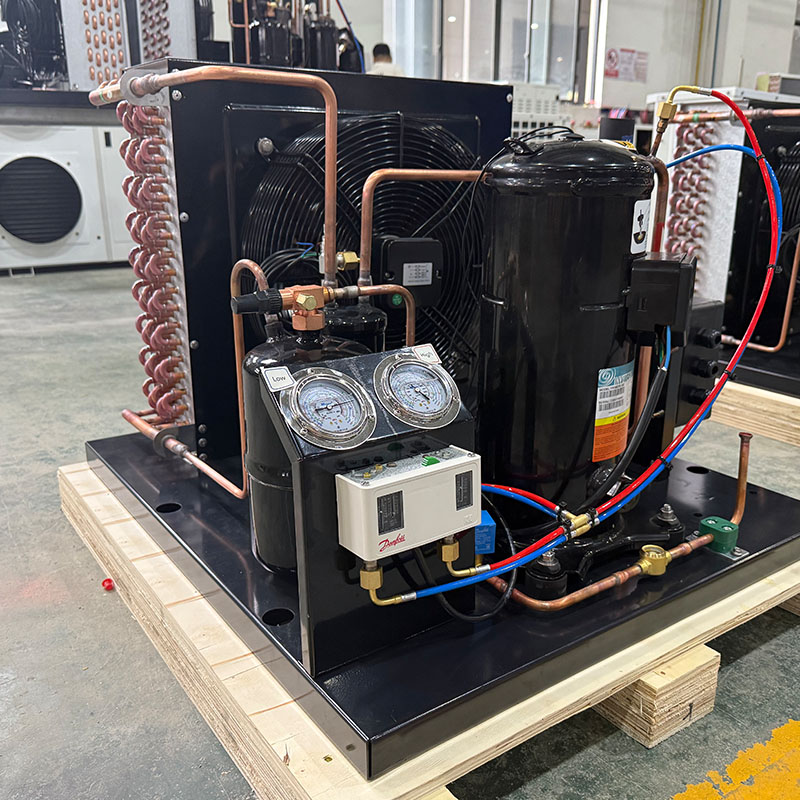
Buyers should be aware of common issues associated with 2HP condensing units and how to address them:
Inadequate Cooling: This can result from improper sizing or a malfunctioning compressor. Always ensure the unit’s capacity matches your cooling needs. Regular maintenance checks can also help identify compressor issues early.
Refrigerant Leaks: Leaks can lead to decreased efficiency and increased energy costs. Regular inspections and proper installation practices can minimize this risk. If a leak is detected, it’s crucial to address it immediately and ensure compliance with environmental regulations.
Noise Issues: Excessive noise can be a concern, particularly in commercial environments. Selecting models with quieter compressors, such as those with scroll technology, can mitigate this issue. Additionally, proper installation can help reduce vibrations and noise.
Electrical Failures: These can occur from improper voltage supply or poor connections. Ensure that your electrical system is compatible with the unit’s requirements and that all connections are secure.
Frost Build-up: This issue often arises from inadequate airflow or low refrigerant levels. Regular maintenance, including cleaning filters and ensuring unobstructed airflow, can help prevent frost accumulation.
By being aware of these common problems and their solutions, you can ensure your 2HP condensing units operate efficiently and reliably.
Special docking is offered for a complete service. This includes the design of Coldrooms, production installation, landing projects, and after-sales support.
With a strong name in the industry, and over 3,000+ clients served, EMTH EMTH is a trustworthy and reliable supplier who has been recognized by other customers.
More than 20 years of' experience and an experienced EMTH R&D staff.
A modern factory of over 40,000 square meters is available to fulfill the majority of EMTH demands for production.

Welcome to EMTH, a cold storage refrigeration equipment specialist in China! We offer innovative and effective cold storage solutions, including cold storage, evaporator, condensing unit and ice machine.
Room 304-305B, Building 5, BESHINE B.P, No. 559Zhuyuan Road, Minhang District 201112, Shanghai, China
Copyright © Shanghai EMTH Import & Export Co., Ltd. All Rights Reserved. - Privacy Policy
 EN
 AR
 BG
 HR
 CS
 DA
 NL
 FI
 FR
 DE
 EL
 IT
 JA
 KO
 NO
 PL
 PT
 RO
 RU
 ES
 TL
 IW
 ID
 LT
 SR
 VI
 HU
 TH
 MS
 AZ
 JW
 LO
 MN
 SO
 MY
 KK
 TG
 UZ
 GD
 XH