In the realm of refrigeration equipment, a 3hp condenser plays a crucial role in heat exchange systems, ensuring efficient cooling for a variety of applications. For B2B buyers, understanding the intricacies of selecting the right condenser is essential to address concerns such as energy efficiency, compatibility with existing systems, and overall durability. This article will guide you through the key considerations when choosing a 3hp condenser, covering specifications, cost factors, installation challenges, and industry applications.
Selecting the right 3hp condenser requires careful consideration of several factors to ensure compatibility and efficiency. Firstly, assess the type of refrigerant used in your system, as this will affect the condenser's design and performance. Compatibility with existing cooling systems is vital, and ensuring that the condenser can handle the specified refrigerant type will prevent operational inefficiencies. Additionally, consider options like YH Type Condenser when evaluating your choices.
Another important aspect is the operating environment. Factors such as ambient temperature, humidity levels, and potential exposure to corrosive substances should inform your choice of materials and design. For instance, condensers made from coated materials may offer better resistance to corrosion in humid environments. Additionally, consider the energy efficiency rating of the condenser, as this can significantly impact operating costs over time. Look for models with higher efficiency ratings, as they typically translate to lower energy consumption.
Lastly, think about the required maintenance and serviceability of the unit. A well-designed condenser should allow easy access for inspections and repairs, which can save time and money in the long run.
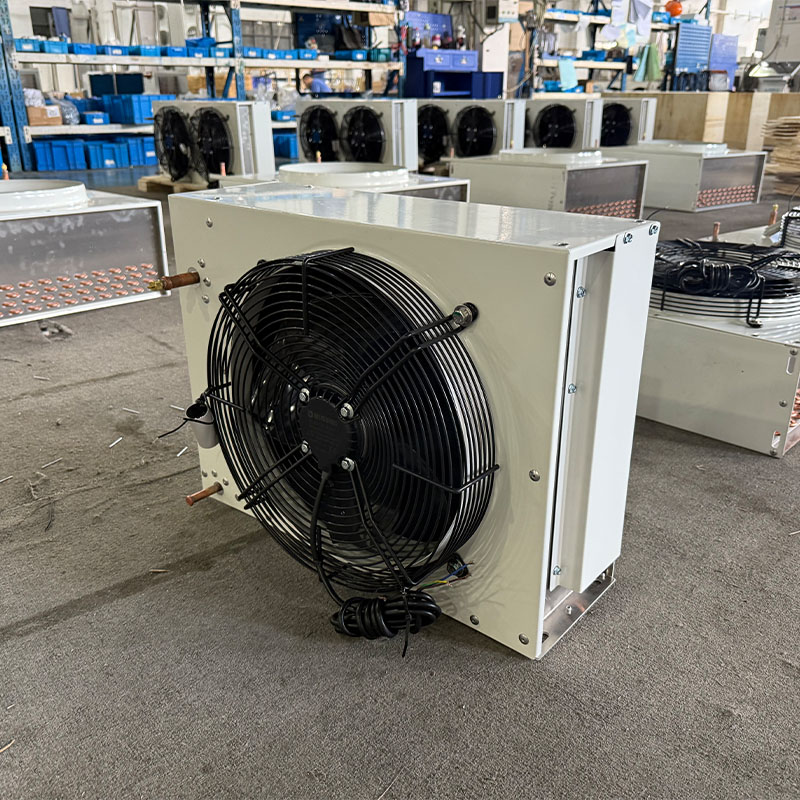
When evaluating 3hp condensers, several specifications are crucial for wholesale buyers to consider:
Cooling Capacity: This is typically measured in BTUs or kW. Ensure that the condenser can deliver the necessary cooling output for your application.Dimensions: The physical size of the condenser must fit within your installation space. Measure the area to ensure compatibility and avoid potential installation issues.Material Quality: The construction material affects durability and performance. Common materials include copper and aluminum, with options for corrosion-resistant coatings for enhanced longevity.Pressure Ratings: Confirm the maximum working pressure of the condenser to ensure it meets the demands of your system. Higher pressure ratings may be necessary for certain applications.Energy Efficiency Ratio (EER): A higher EER indicates better energy efficiency. This is important for reducing operational costs and ensuring compliance with energy regulations. Understanding these specifications will help you make informed decisions when sourcing 3hp condensers that meet your specific needs. For high-performance options, consider the Bitzer Condensing Unit as a reliable choice.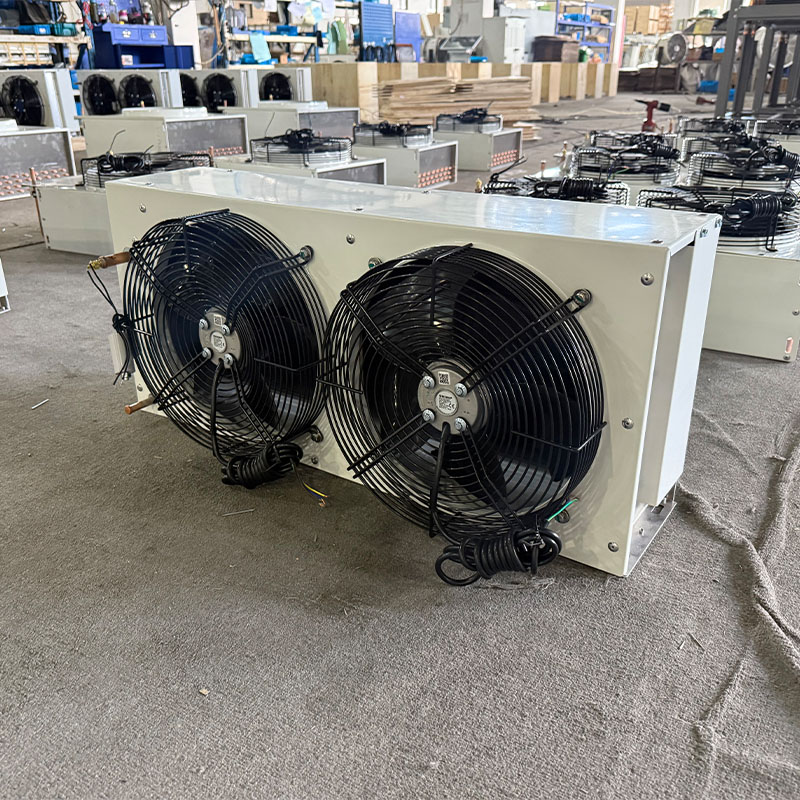
The cost of a 3hp condenser can vary significantly based on several factors. Firstly, the choice of materials plays a pivotal role; for example, condensers made from high-grade copper may be more expensive but offer better performance and longevity. Additionally, the design complexity, such as whether the unit has specialized features or enhanced energy efficiency, will also influence pricing.
Volume discounts are often available for wholesale purchases, so consider the minimum order quantity (MOQ) and how it aligns with your purchasing strategy. Shipping costs should not be overlooked, especially if you are importing condensers from overseas. Ensure that you factor in customs duties and potential tariffs that may apply.
Lastly, think about the potential for long-term savings. While a lower upfront cost may seem appealing, it’s essential to evaluate the total cost of ownership, including energy consumption and maintenance expenses over the life of the unit.
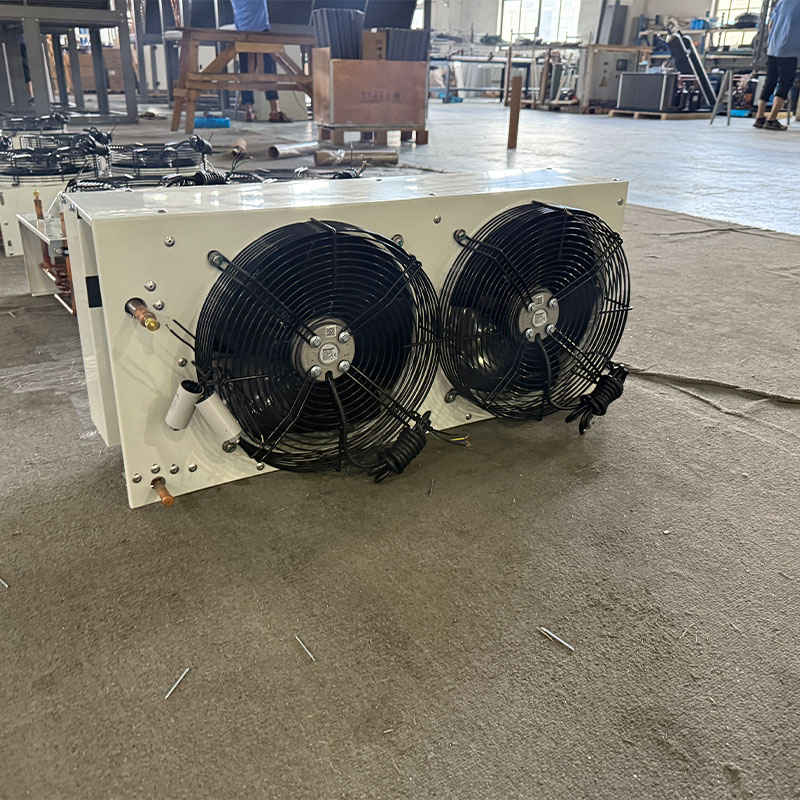
Installation of a 3hp condenser may present various challenges that could impact system performance. One common issue is ensuring proper placement for optimal airflow. Condensers require sufficient space around them to function efficiently, so it’s essential to follow manufacturer guidelines concerning clearance.
Another frequent challenge is connecting the condenser to the existing refrigeration system. It’s critical to check the compatibility of piping and fittings to avoid leaks or pressure drops. Using the correct refrigerant connections and ensuring proper insulation can mitigate these issues.
Additionally, electrical connections must be handled carefully. Ensure that the unit is connected to a suitable power supply and that all electrical components meet safety standards. Engaging a qualified technician familiar with refrigeration systems can help navigate these installation hurdles effectively.
More than 20 years of' experience and an experienced R&D EMTH team.
A modern plant of over 4000 square meters is in operation to meet the majority Ice maker for commercial production requirements.
With a full service system, from the formulation of plans, production of Condensing units as well as project landing until after-sales assistance, there's special docking.
With a strong name in the industry, and over 3,000+ clients served, EMTH EMTH is a trustworthy and reliable supplier who has been recognized by other customers.

Welcome to EMTH, a cold storage refrigeration equipment specialist in China! We offer innovative and effective cold storage solutions, including cold storage, evaporator, condensing unit and ice machine.
Room 304-305B, Building 5, BESHINE B.P, No. 559Zhuyuan Road, Minhang District 201112, Shanghai, China
Copyright © Shanghai EMTH Import & Export Co., Ltd. All Rights Reserved. - Privacy Policy
 EN
 AR
 BG
 HR
 CS
 DA
 NL
 FI
 FR
 DE
 EL
 IT
 JA
 KO
 NO
 PL
 PT
 RO
 RU
 ES
 TL
 IW
 ID
 LT
 SR
 VI
 HU
 TH
 MS
 AZ
 JW
 LO
 MN
 SO
 MY
 KK
 TG
 UZ
 GD
 XH