Air cooled condensing units are essential components in refrigeration systems, serving to condense refrigerant gases into liquid form by utilizing ambient air for cooling. As a purchasing manager, distributor, or engineer, understanding the various factors that influence your selection is crucial. This article aims to provide insights into choosing the right air cooled condensing unit, including key specifications, quality control measures, and reliable sourcing options, helping you make informed purchasing decisions tailored to your specific project needs.
Selecting the appropriate air cooled condensing unit involves evaluating several factors specific to your refrigeration application. First, consider the required cooling capacity, which depends on the size of the space being cooled and the heat load generated by equipment and occupants. This capacity is typically measured in BTUs or kilowatts.
Next, assess the ambient conditions where the unit will operate, including temperature ranges and humidity levels. These factors influence the unit's efficiency and performance. It is also essential to consider the available space for installation, as some units may require more room for airflow and maintenance access than others.
Finally, factor in the integration with existing systems. Compatibility with other components, such as evaporators and compressors, is vital to ensure optimal performance and energy efficiency. At Shanghai EMTH, we leverage over 20 years of industry experience to guide buyers through the selection process, ensuring you choose a unit that meets your specific operational requirements.
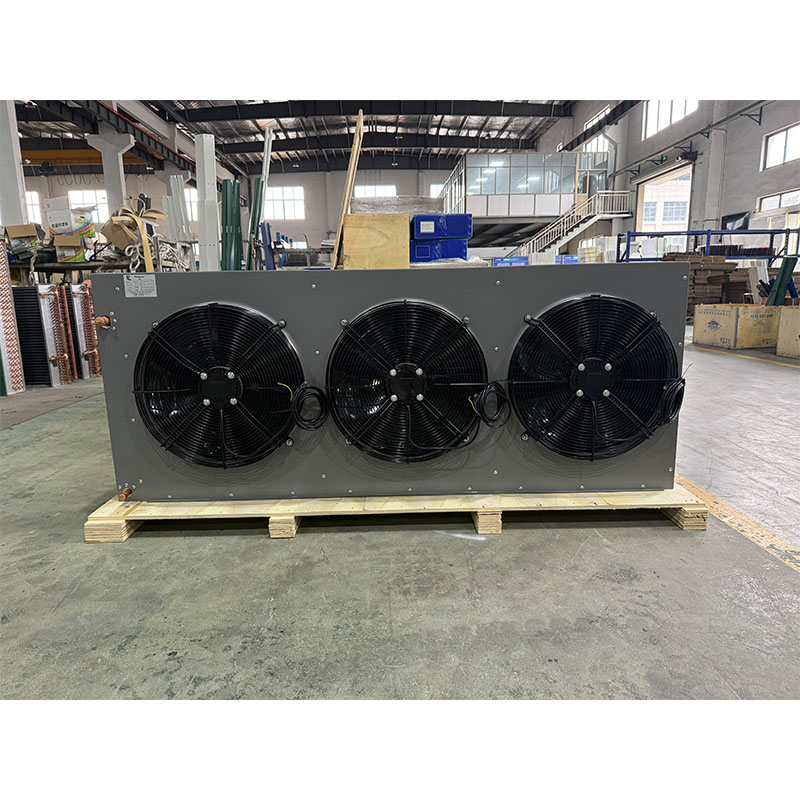
When sourcing air cooled condensers, several key specifications should be evaluated to ensure they meet your operational needs:
Cooling Capacity: This is the amount of heat the condenser can remove from the system, typically expressed in BTUs/hour or kW. A unit that is too small will struggle to maintain desired temperatures, while an oversized unit may lead to inefficient operation.
Construction Materials: The choice of materials, such as aluminum or copper for coils, affects thermal conductivity and resistance to corrosion. Ensure the materials are suitable for your operating environment to maximize longevity and performance.
Airflow and Fan Design: Assess the airflow rate, typically measured in CFM (cubic feet per minute). High-efficiency fans can enhance cooling performance and reduce energy consumption.
Operating Pressure: Condensers must be rated for the pressures encountered in your system. Check the maximum working pressure to ensure it aligns with your application.
Noise Levels: In applications where noise is a concern, such as commercial settings, consider the decibel ratings of the unit to ensure minimal disruption.
By carefully reviewing these specifications, you can effectively match air cooled condensers to your unique refrigeration needs, leading to improved performance and energy efficiency. For instance, Bitzer Condensing Units are known for their reliability and efficiency in various applications.
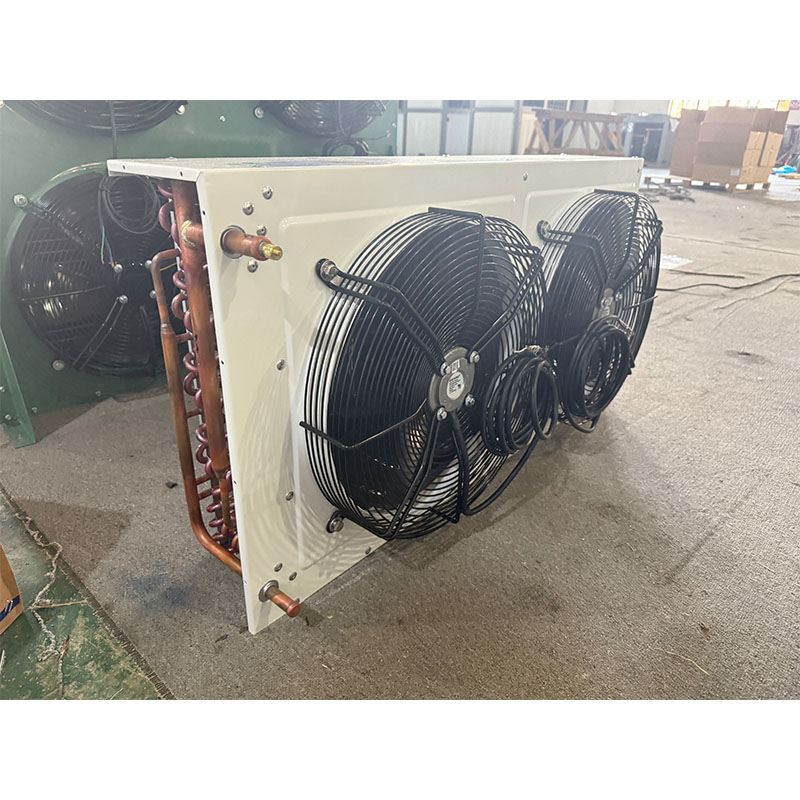
Quality control is a critical aspect of manufacturing air cooled condensing units. At Shanghai EMTH, we implement rigorous quality control measures throughout our production process to ensure that every unit meets industry standards and customer expectations.
Material Inspection: Raw materials are thoroughly inspected upon arrival to confirm they meet specified standards. This includes checking for defects and ensuring material specifications are adhered to.
In-Process Testing: Throughout the manufacturing stages, units undergo a series of tests, including pressure tests and thermal performance evaluations. This helps identify any issues early in the production process.
Final Testing: Each unit is subjected to comprehensive final testing before shipment. This includes verifying operational performance, checking for leaks, and ensuring compliance with safety and quality standards.
Certifications: Adherence to international quality standards, such as ISO 9001, guarantees that our manufacturing processes are consistently monitored and improved. Buyers can request documentation to confirm compliance.
These quality control measures not only enhance the reliability of the air cooled condensers but also provide buyers with confidence in the durability and performance of the products they invest in.
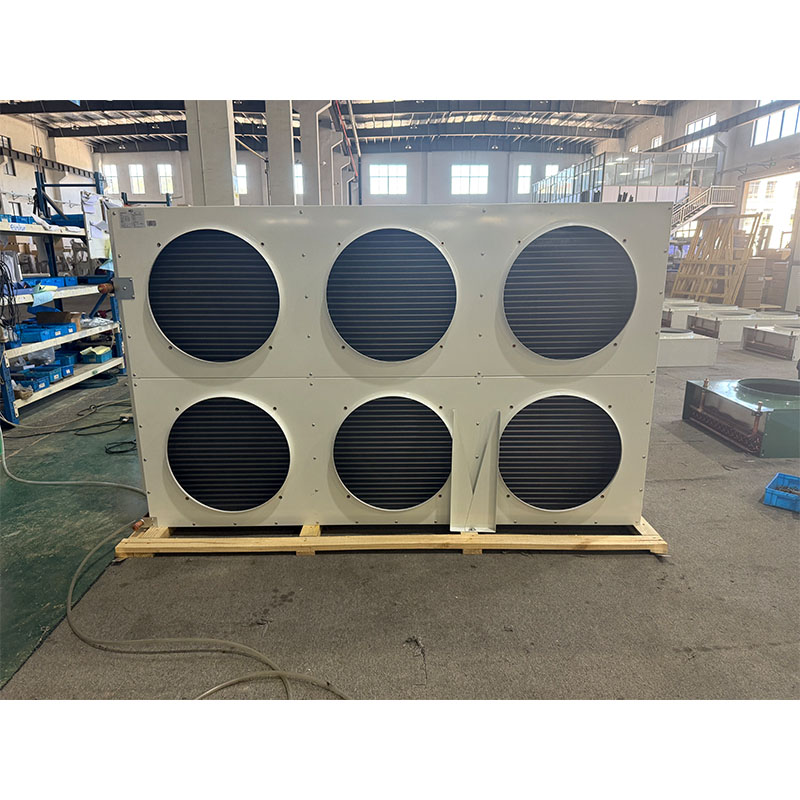
Finding a reliable supplier for air cooled condensers is essential to ensure that you receive high-quality products that meet your specifications. Here are several tips to identify trustworthy suppliers:
Industry Experience: Look for manufacturers with a proven track record in the refrigeration industry. Companies with extensive experience, such as Shanghai EMTH, often have the expertise needed to address specific challenges and offer tailored solutions.
Product Range: Evaluate the supplier's product portfolio. A supplier that offers a wide range of models and customization options may better meet your specific needs.
Customer Reviews and References: Research customer testimonials and case studies to gauge the supplier's reliability and product performance. Directly contacting previous clients can provide valuable insights into their experiences.
Technical Support: Choose suppliers that offer robust technical support. Effective communication and assistance during the purchasing process can help resolve potential issues quickly.
Certifications and Compliance: Verify that the supplier adheres to industry standards and has relevant certifications. This ensures that their products meet quality and safety regulations.
By following these guidelines, you can identify suppliers that align with your quality expectations and operational requirements, ultimately leading to a successful purchasing experience.
Complete service program, from formulating of plans, production of Cold room as well as project landing until after-sales service, there are specific docking.
With a strong name in the industry, and over 3,000+ clients served, EMTH EMTH is a trustworthy and reliable supplier who has been recognized by other customers.
A modern factory space that covers more than 40000 square meters, it is able to meet the vast majority of the EMTH production requirements.
With more than 20 years of knowledge, we've developed a a complete production and sales and after-sales process with more than 20 patent certificates and a skilled R&D EMTH team.

Welcome to EMTH, a cold storage refrigeration equipment specialist in China! We offer innovative and effective cold storage solutions, including cold storage, evaporator, condensing unit and ice machine.
Room 304-305B, Building 5, BESHINE B.P, No. 559Zhuyuan Road, Minhang District 201112, Shanghai, China
Copyright © Shanghai EMTH Import & Export Co., Ltd. All Rights Reserved. - Privacy Policy
 EN
 AR
 BG
 HR
 CS
 DA
 NL
 FI
 FR
 DE
 EL
 IT
 JA
 KO
 NO
 PL
 PT
 RO
 RU
 ES
 TL
 IW
 ID
 LT
 SR
 VI
 HU
 TH
 MS
 AZ
 JW
 LO
 MN
 SO
 MY
 KK
 TG
 UZ
 GD
 XH