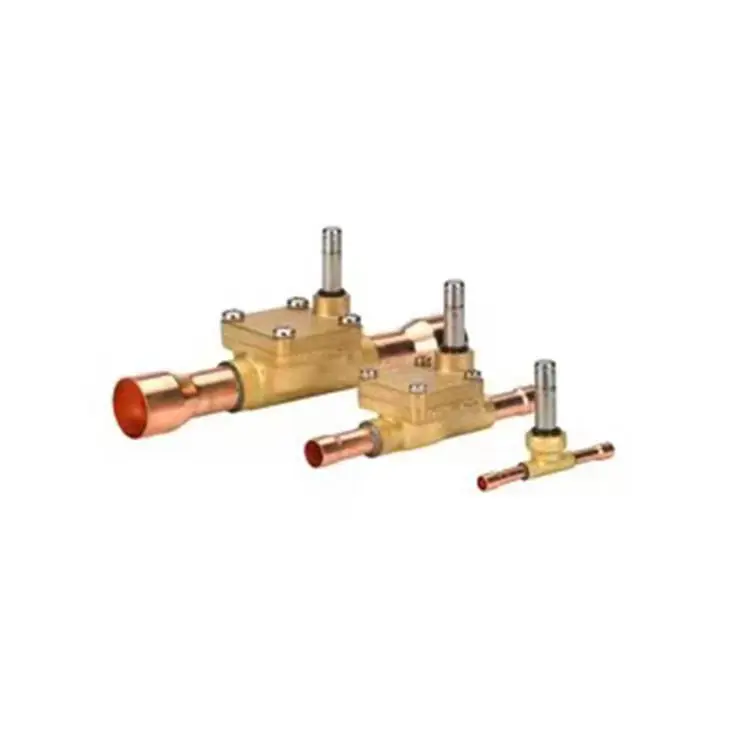
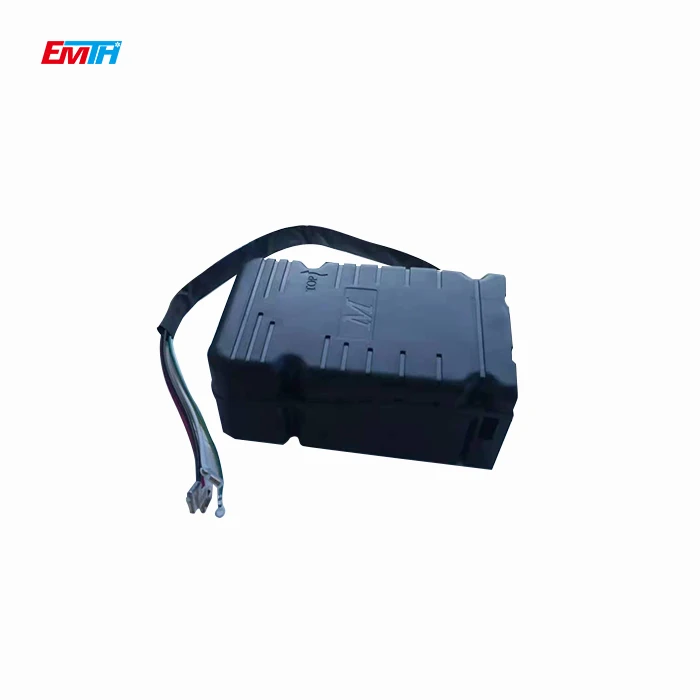
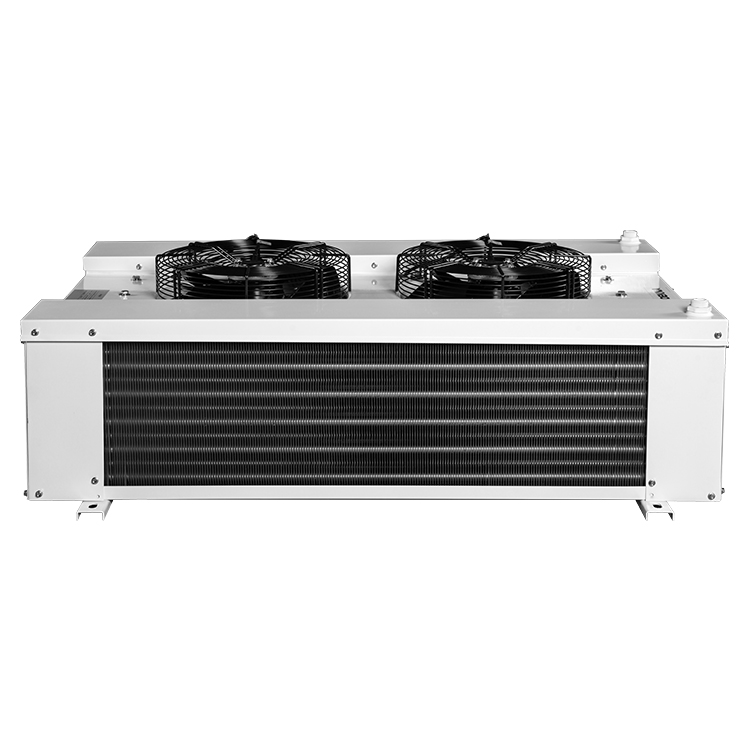
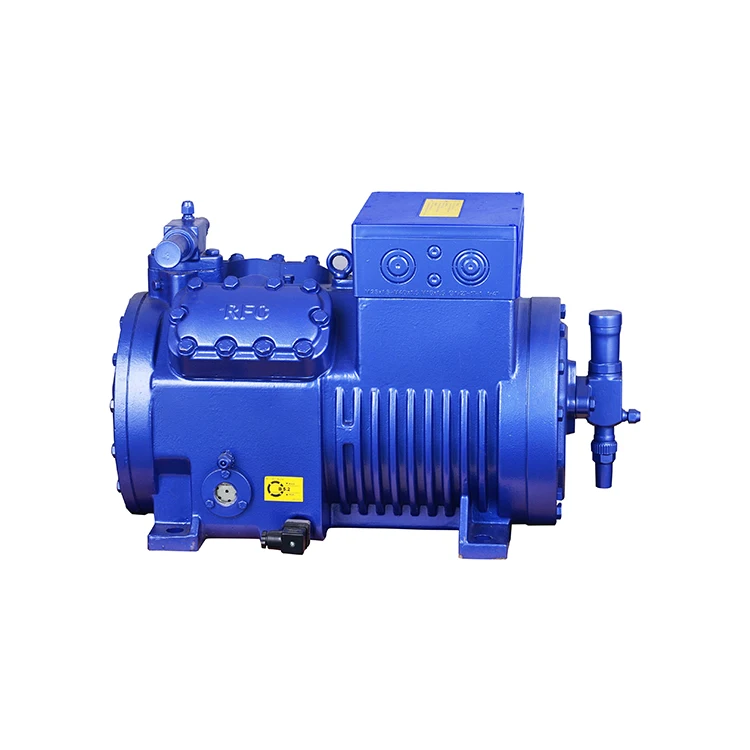
Choosing the right refrigeration unit is crucial for businesses handling temperature-sensitive products. The R449A refrigeration unit stands out due to its efficiency and application versatility. For purchasing managers and engineers, understanding the specifications and quality considerations of R449A units is essential in ensuring reliable operations and compliance with industry standards. This article provides insights into what to consider when selecting R449A refrigeration units for bulk orders, key specifications for wholesale buyers, quality evaluation methods, common installation challenges, and compliance with industry standards.
When selecting R449A refrigeration units for bulk orders, several factors must be considered to ensure that the chosen units meet operational needs. First, assess the cooling capacity required for your application. This will help determine the appropriate size and number of units necessary to achieve optimal performance. Additionally, consider options such as the Bitzer Condensing Unit, which is known for its reliability in various applications.
Next, consider the energy efficiency rating of the unit, as this can significantly impact operational costs. R449A units are known for their lower global warming potential and high energy efficiency, making them a sustainable choice for businesses. Additionally, evaluate the refrigerant type; R449A is a popular choice due to its compatibility with various applications and environmental regulations.
Another critical aspect is the manufacturer's reputation and experience. With over 20 years of experience and 20 patents, Shanghai EMTH ensures high-quality production and innovative solutions. Establishing a relationship with a reputable supplier can ease the procurement process and provide access to valuable technical support. For instance, consider exploring the H Type Condensing Units offered by reliable suppliers.
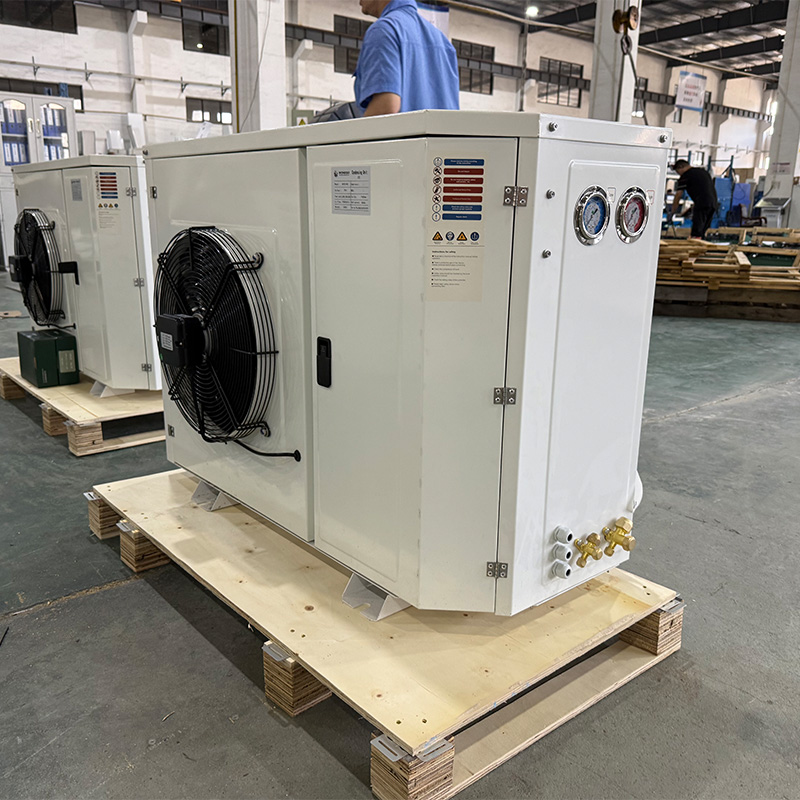
When evaluating R449A refrigeration units, several key specifications are vital for wholesale buyers. The cooling capacity, typically measured in BTUs (British Thermal Units) or kW, determines how effectively a unit can cool a space. Ensure that the cooling capacity aligns with your specific application requirements.
The dimensions of the unit are also important, as they must fit within the designated installation space. Buyers should verify the physical footprint and ensure that the unit can be easily integrated into existing systems.
Another critical specification is the energy efficiency ratio (EER) or coefficient of performance (COP), which measures the unit's efficiency under normal operating conditions. Higher values indicate better efficiency, leading to cost savings over time. Additionally, reviewing the noise level produced by the unit is essential, especially for installations in noise-sensitive environments.
Lastly, consider the materials used in construction. R449A refrigeration units should be built with durable materials that can withstand the operational environment, including exposure to moisture and temperature fluctuations.
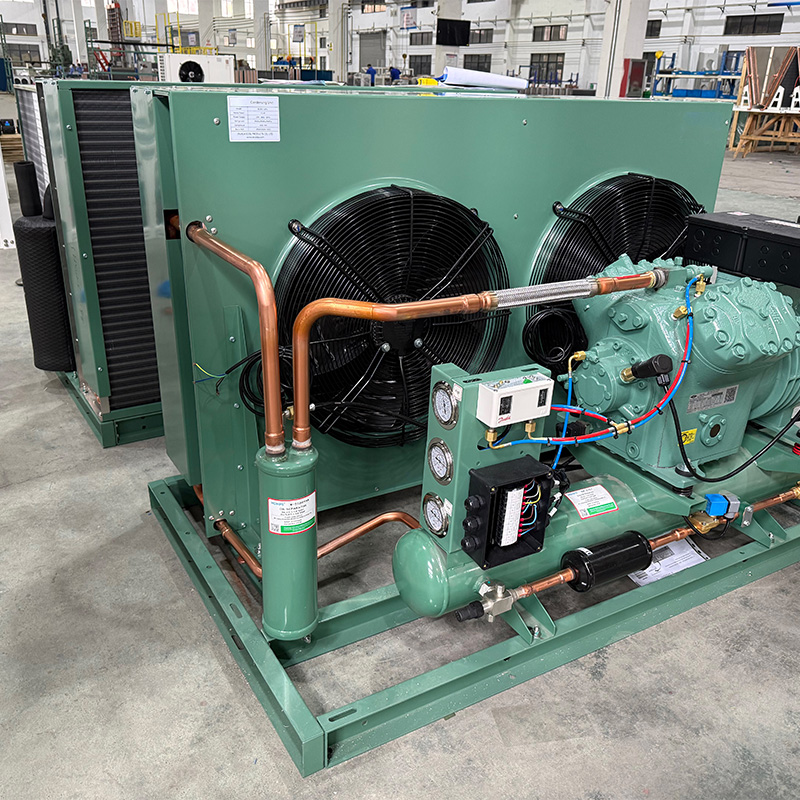
To ensure the quality of R449A refrigeration units, buyers should implement a thorough evaluation process. Begin by requesting samples or prototypes from the manufacturer. Testing these units under real-world conditions can reveal potential performance issues that may not be apparent through specifications alone.
Furthermore, examine the manufacturer’s quality control processes. Reliable manufacturers often have rigorous testing protocols in place to ensure that each unit meets specified performance standards. Inquire about certifications that demonstrate compliance with industry standards, such as ISO or CE certifications.
Another aspect to consider is the warranty and after-sales service provided by the manufacturer. A robust warranty indicates confidence in product quality, while responsive customer service can be invaluable for addressing any issues that arise post-purchase.
Lastly, seek feedback from other businesses that have used the units. First-hand testimonials can provide insights into long-term reliability and performance, helping to inform your purchasing decision.
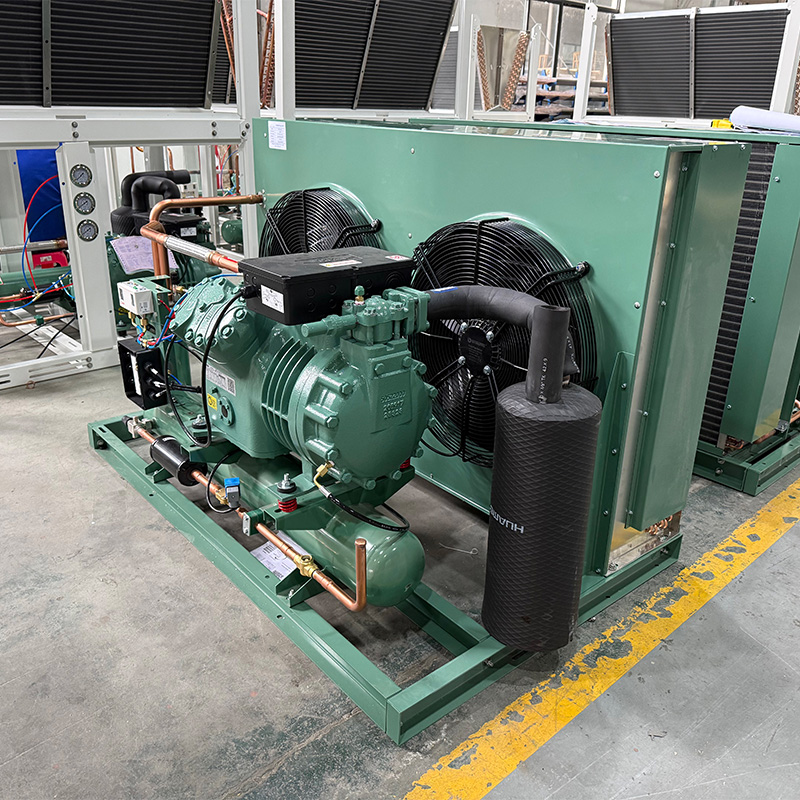
The installation of R449A refrigeration units can present several challenges. One common issue is ensuring that the unit is placed in an optimal location for airflow. Poor airflow can lead to inefficiencies and increased energy consumption. To mitigate this, conduct a site assessment to determine the best placement, considering both the unit's intake and exhaust locations.
Another challenge is correctly connecting the refrigerant lines. Improper installation can lead to leaks or inefficient operation. It is advisable to engage experienced technicians for installation, as they will understand the nuances of refrigerant handling and line fitting.
Electrical connections can also pose challenges, particularly in ensuring that the unit is compatible with existing electrical systems. Before installation, review the electrical requirements and confirm that they match the specifications of your facility.
Finally, ensure that proper insulation is used for refrigerant lines to prevent energy loss and condensation issues. A well-insulated system will maintain efficiency and prolong the lifespan of the unit.
More than 20 years of of experience and a professional R&D EMTH staff.
The modern factory has an area greater than 40,000 square meters, to satisfy the majority of the EMTH production requirements.
Complete service program, from formulating of plans to the production and Cooling room, to after-sales service, there are specific docking.
With a good name in the industry, with over 3,000+ clients serviced, EMTH EMTH is a trustworthy established supplier that is praised by its clients.

Welcome to EMTH, a cold storage refrigeration equipment specialist in China! We offer innovative and effective cold storage solutions, including cold storage, evaporator, condensing unit and ice machine.
Room 304-305B, Building 5, BESHINE B.P, No. 559Zhuyuan Road, Minhang District 201112, Shanghai, China
Copyright © Shanghai EMTH Import & Export Co., Ltd. All Rights Reserved. - Privacy Policy
 EN
 AR
 BG
 HR
 CS
 DA
 NL
 FI
 FR
 DE
 EL
 IT
 JA
 KO
 NO
 PL
 PT
 RO
 RU
 ES
 TL
 IW
 ID
 LT
 SR
 VI
 HU
 TH
 MS
 AZ
 JW
 LO
 MN
 SO
 MY
 KK
 TG
 UZ
 GD
 XH