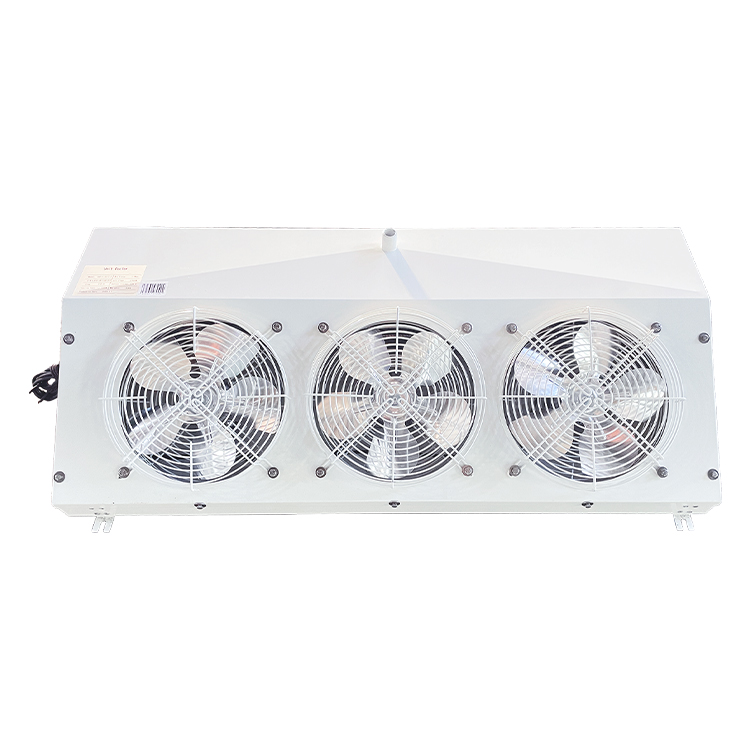
A wall mounted evaporator for cold storage is a critical component in refrigeration systems, particularly in maintaining optimal temperatures in cold storage facilities. Selecting the right evaporator involves understanding various specifications and supplier reliability, essential aspects for purchasing managers and engineers. This article aims to guide you through the key considerations when choosing wall mounted evaporators, including specifications, supplier evaluation, troubleshooting common issues, and their applications across different industries.
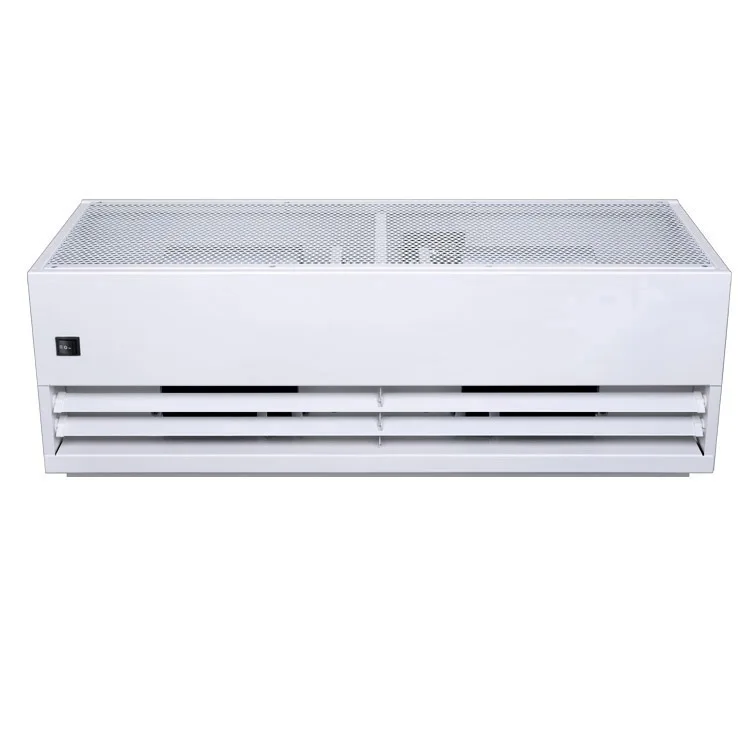
When selecting a wall mounted evaporator, consider factors such as the cooling capacity required for your specific application, the dimensions of the unit, and the refrigerant type compatible with your system. The cooling capacity is typically measured in BTUs (British Thermal Units) and should align with the size of the cold storage area to ensure efficient temperature maintenance. Additionally, integrating cooling solutions like an Air Curtain can enhance temperature control.
Moreover, the evaporator's design must match the layout of your cold room. For instance, if space is limited, a compact model may be necessary. Additionally, consider the noise levels of the unit, particularly if the cold storage area is close to workspaces. Lastly, energy efficiency is paramount; look for models with high energy efficiency ratings to reduce operating costs over time.
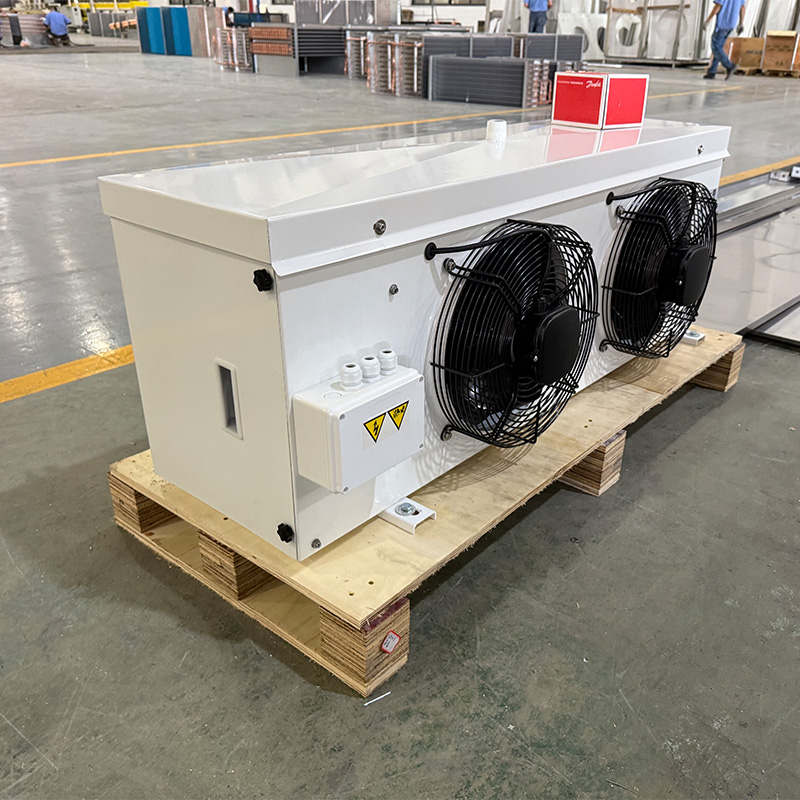
Several technical specifications can influence the performance of wall mounted evaporators:
Cooling Capacity: Ensure the evaporator can handle the thermal load of the cold storage space. This should be calculated based on the volume of the area and its intended use.
Material and Construction: The evaporator should be constructed from corrosion-resistant materials, such as stainless steel or coated metals, especially in humid environments. This enhances durability and longevity.
Fan Type and Size: The fan's efficiency affects airflow and cooling performance. Ensure the fan is appropriately sized for the evaporator and capable of providing uniform cooling throughout the space.
Operating Temperature Range: Different applications may require specific temperature ranges. Confirm that the evaporator can maintain the necessary temperatures for your stored products.
Energy Efficiency: Look for evaporators with higher SEER (Seasonal Energy Efficiency Ratio) ratings, which can indicate better energy use and lower operational costs.
Understanding these specifications will help ensure that the selected evaporator operates efficiently within your cold storage environment.
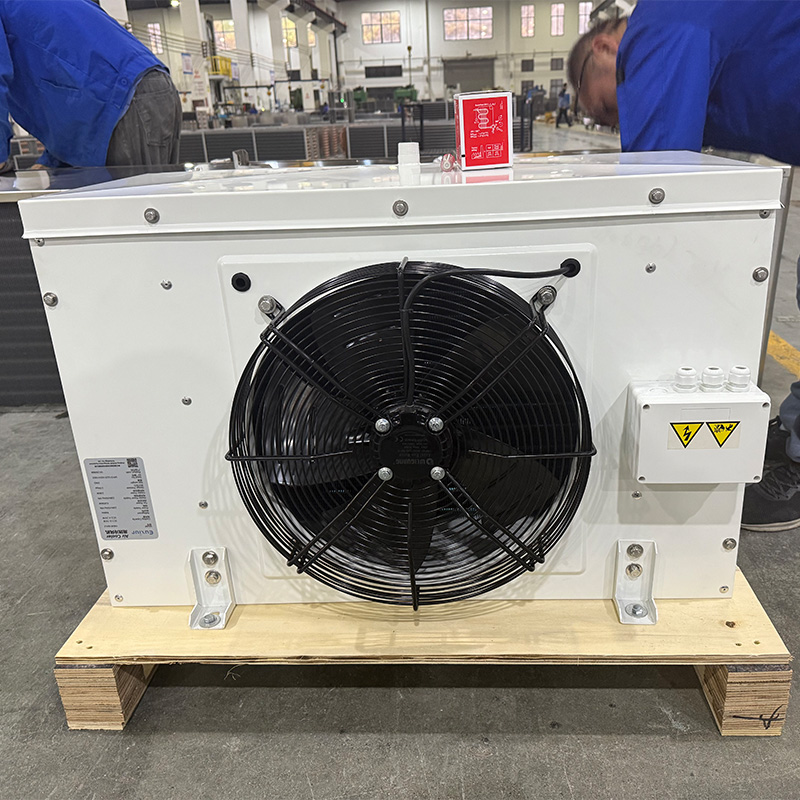
Evaluating supplier reliability is crucial for ensuring consistent quality and service. Here are some key factors to consider:
Experience and Expertise: Look for suppliers with a solid track record in manufacturing refrigeration equipment. Companies like Shanghai EMTH, with over 20 years in the industry, often bring valuable expertise and knowledge.
Certifications and Compliance: Verify that the supplier’s products meet industry standards and certifications, which can be indicative of quality control processes. This is especially important in regulated industries.
Customer Reviews and References: Seek testimonials or case studies from other businesses that have procured similar equipment. This can provide insights into product performance and supplier service levels.
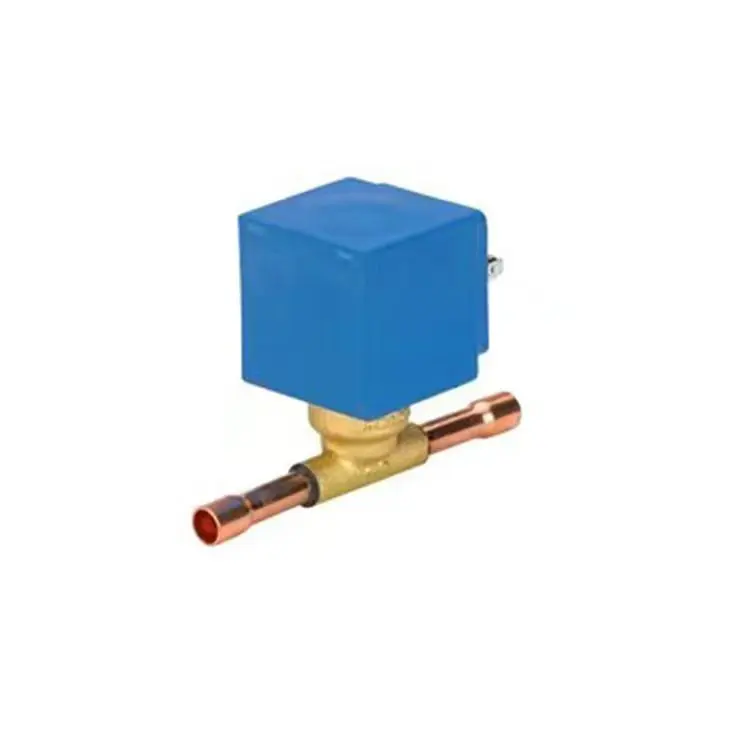
Customization Capabilities: If your project requires specific adaptations, check if the supplier can accommodate custom requests. A flexible supplier can better meet unique operational needs, including those for specialized components such as Solenoid Valves.
Support and Warranty: Assess the level of customer support offered post-purchase, including warranty terms and technical assistance. A reliable supplier will stand behind their products and provide ongoing support.
By carefully evaluating these areas, you can make an informed decision about which supplier to partner with for your wall mounted evaporator needs.
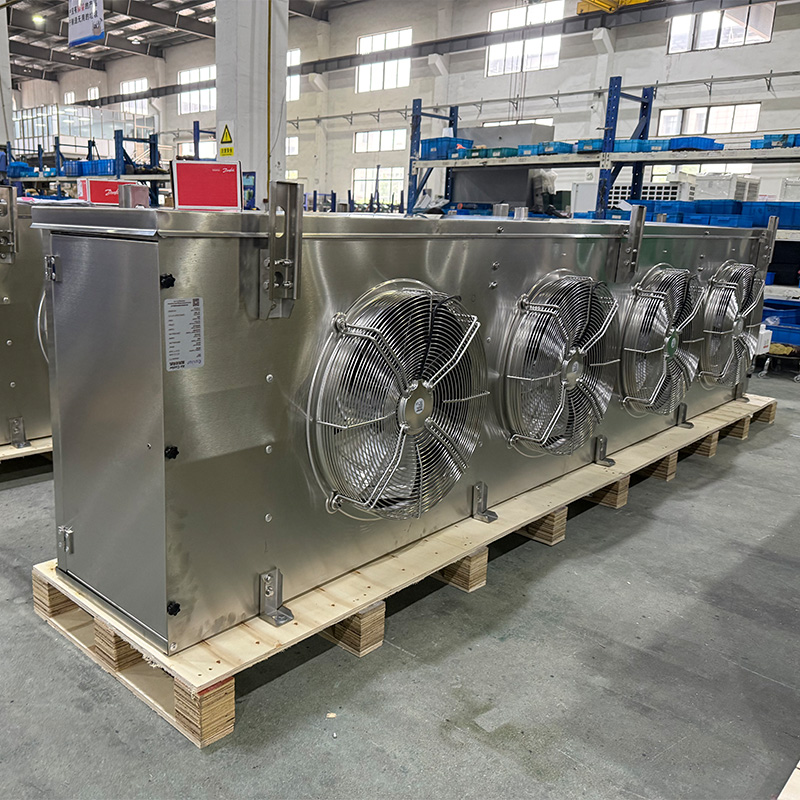
Despite their effectiveness, wall mounted evaporators can encounter various issues. Here are some common problems and their solutions:
Insufficient Cooling: If the evaporator is not cooling adequately, check for airflow blockages caused by dust or ice buildup. Regular maintenance, including cleaning the coils and ensuring the fan is functioning correctly, can help prevent this.
Noisy Operation: Unusual noises may indicate fan issues or loose components. Inspect and tighten any loose parts, and ensure the fan blades are not obstructed.
Frost Accumulation: Excessive frost can hinder performance. This may be due to high humidity in the cold room or a malfunctioning defrost cycle. Ensure that the defrost timer is functioning properly and consider using a dehumidifier in high-moisture environments.
Leaking Refrigerant: If you detect a refrigerant leak, it is crucial to address it immediately. This often requires professional repair services. Regular checks and maintenance can help identify leaks early.
Understanding these common issues allows for proactive maintenance, ensuring the longevity and efficiency of your evaporator.
A modern plant of over 40000 square meters is in place to meet the EMTH majority manufacturing requirements.
After more than 20 years of expertise, we've got full sales and production and after-sales process with more than 20 patent certificates and a skilled R&D EMTH team.
EMTH EMTH has a track record in the field with over 3,000+ happy customers.
Complete service program, from formulating of plans to the production and Cooling room, to after-sales service, there are specific docking.

Welcome to EMTH, a cold storage refrigeration equipment specialist in China! We offer innovative and effective cold storage solutions, including cold storage, evaporator, condensing unit and ice machine.
Room 304-305B, Building 5, BESHINE B.P, No. 559Zhuyuan Road, Minhang District 201112, Shanghai, China
Copyright © Shanghai EMTH Import & Export Co., Ltd. All Rights Reserved. - Privacy Policy
 EN
 AR
 BG
 HR
 CS
 DA
 NL
 FI
 FR
 DE
 EL
 IT
 JA
 KO
 NO
 PL
 PT
 RO
 RU
 ES
 TL
 IW
 ID
 LT
 SR
 VI
 HU
 TH
 MS
 AZ
 JW
 LO
 MN
 SO
 MY
 KK
 TG
 UZ
 GD
 XH