Industrial air cooled condensers are critical components in refrigeration systems, commonly used in a variety of manufacturing and industrial applications. Understanding how to select the right condenser can significantly impact operational efficiency and cost-effectiveness. This article will address key considerations such as specifications, installation guidelines, and applications, helping professionals like purchasing managers and engineers make informed decisions in sourcing industrial air cooled condensers.
Selecting the right industrial air cooled condenser begins with understanding your specific application requirements. Key factors include the condenser's cooling capacity, dimensions, and intended operating environment. For instance, if the condenser will be used in a high-temperature setting, it is essential to choose a model that can withstand elevated temperatures without compromising efficiency. Additionally, options like YH Type Condenser can provide the necessary performance for such applications.
Additionally, consider the compatibility of the condenser with existing equipment. It should fit seamlessly within the current system to avoid costly modifications. Furthermore, assess the energy efficiency ratings, as a more efficient unit can lead to significant savings over time. Finally, evaluate potential customization options to ensure the condenser meets unique operational demands.
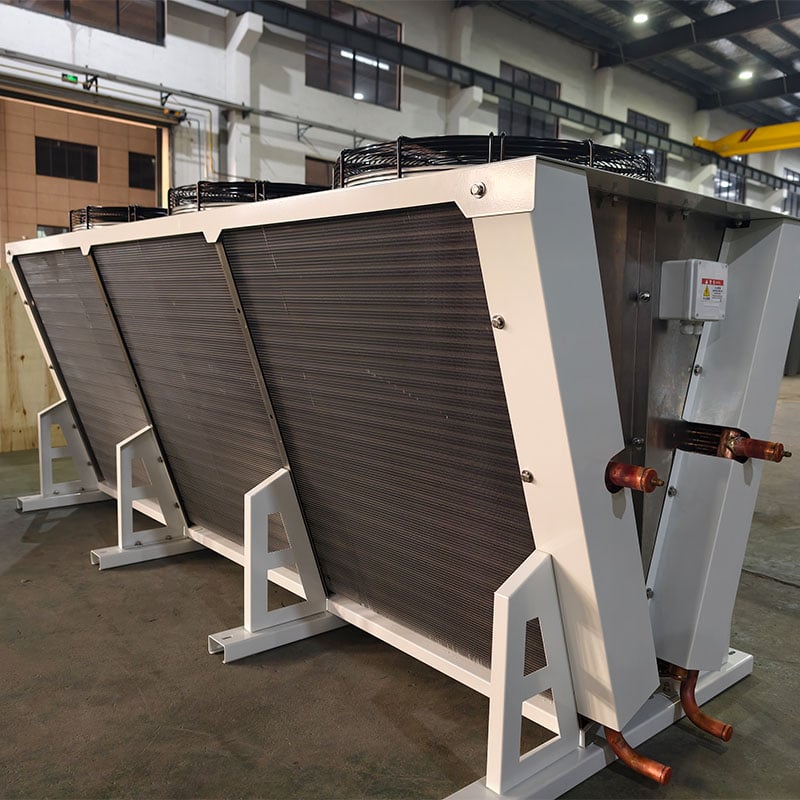
When sourcing air cooled condensers, several key specifications warrant close attention:
Cooling Capacity: Measured in tons, this indicates how much heat the condenser can remove from the system. Ensure that the chosen capacity aligns with your cooling needs to avoid inefficiencies or system strain.
Materials and Construction: The materials used can affect durability and performance. Copper and aluminum fins are common due to their excellent thermal conductivity, while galvanized steel is often used for the casing to resist corrosion.
Dimensions: Physical size is crucial for proper installation. Measure the allocated space to ensure that the condenser fits without obstructing airflow or maintenance access.
Noise Levels: In environments where noise can be a concern, consider condensers that operate at lower noise levels, as this can impact workplace comfort.
Energy Efficiency: Look for units with high SEER (Seasonal Energy Efficiency Ratio) ratings. Higher efficiency can lead to reduced energy costs over time.
By carefully evaluating these specifications, you can ensure that the selected condenser will meet both performance and operational needs.
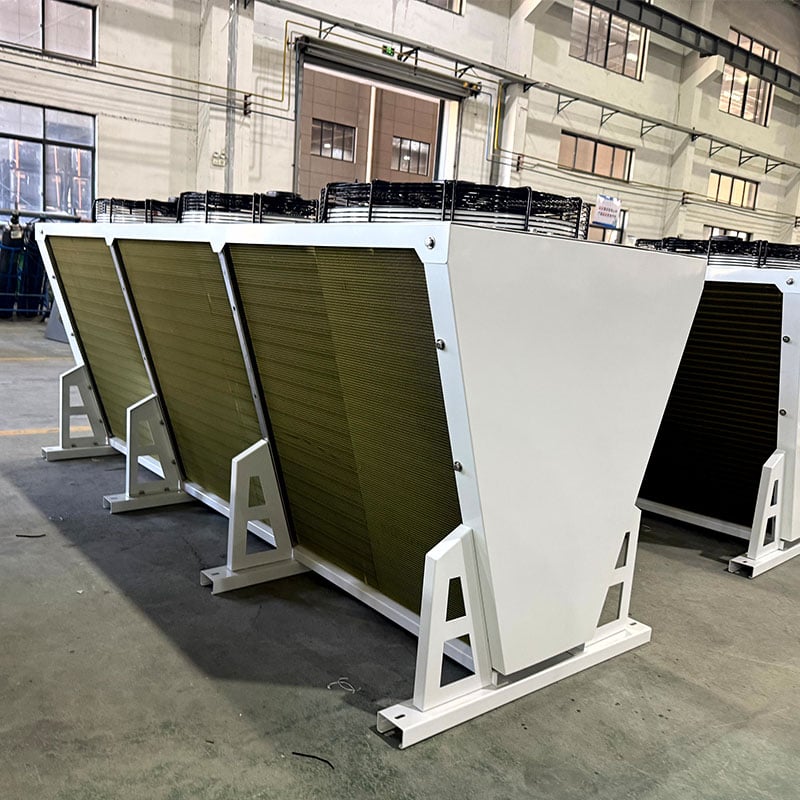
When evaluating air cooled condensers, focus on the following attributes:
Certifications: Ensure the product meets industry standards and regulations. Certifications such as ISO or CE can provide assurance of quality and safety.
Quality Control Processes: Investigate the manufacturer's quality control measures. A robust quality assurance process can reduce risks of operational failures.
Warranty and Support: A strong warranty can provide peace of mind, reflecting the manufacturer’s confidence in their product. Furthermore, consider the level of customer support offered, as this can be crucial for troubleshooting and maintenance.
Customization Capabilities: Depending on your application, you might require specific adaptations. Ensure the manufacturer can accommodate custom specifications such as size, material, or component configuration. For instance, the Bitzer Condensing Unit offers various customization options to fit specific operational needs.
Focusing on these aspects will help ensure that you select a reliable and effective condenser that meets your operational requirements.
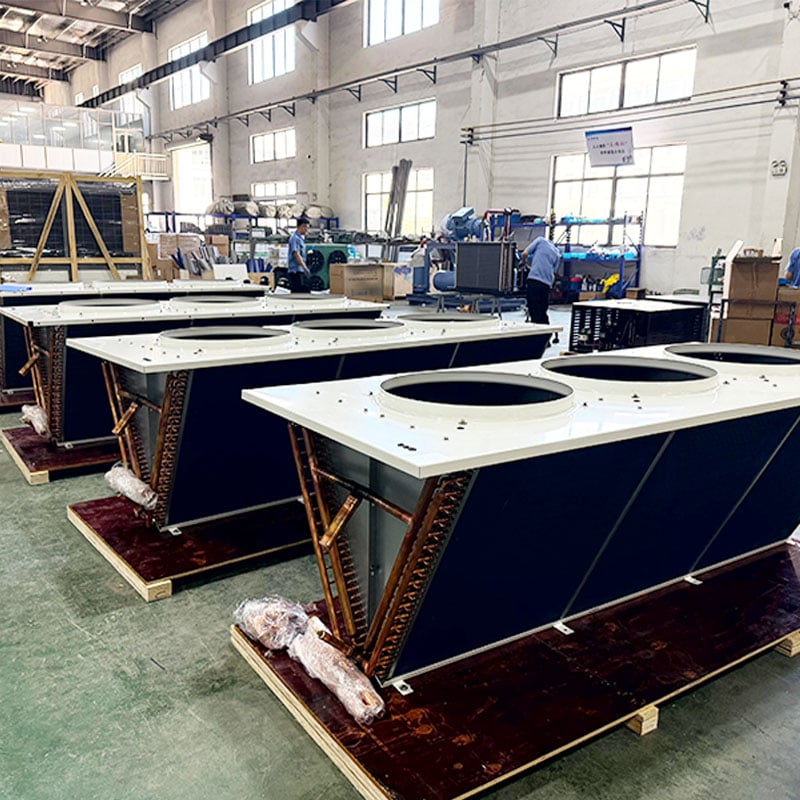
Proper installation of industrial air cooled condensers is vital for optimal performance. Follow these guidelines to facilitate a successful installation:
Site Preparation: Ensure the installation site is level, clean, and free from debris. This prevents any obstruction that could impede airflow.
Clearance Space: Maintain adequate clearance around the condenser unit for airflow and maintenance access. Refer to the manufacturer’s specifications for recommended clearance distances.
Orientation: Position the condenser in a way that maximizes airflow. Avoid placing it against walls or other structures that could restrict air circulation.
Connections: Carefully connect the condenser to the refrigeration system, ensuring all fittings are tight to prevent leaks. It is advisable to use a qualified technician for these connections to ensure compliance with safety standards.
Testing: Once installed, conduct a thorough test of the system to ensure it operates correctly. Check for any unusual noises or vibrations that could indicate installation issues.
By adhering to these installation guidelines, you can ensure that your air cooled condenser functions efficiently and effectively.
Special docking is available for a complete system of service. It includes creation of plans, Ice cube machine, landing plans, and after-sales support.
With more than 20 years of knowledge, we've developed a a complete production and sales and after-sales system with more than 20 patent certificates and a highly skilled R&D EMTH team.
EMTH has a long-standing track record of success in the industry with more than 3,000 satisfied customers.
The modern factory has an area greater than 40,000 square meters, to satisfy the majority of the EMTH production requirements.

Welcome to EMTH, a cold storage refrigeration equipment specialist in China! We offer innovative and effective cold storage solutions, including cold storage, evaporator, condensing unit and ice machine.
Room 304-305B, Building 5, BESHINE B.P, No. 559Zhuyuan Road, Minhang District 201112, Shanghai, China
Copyright © Shanghai EMTH Import & Export Co., Ltd. All Rights Reserved. - Privacy Policy
 EN
 AR
 BG
 HR
 CS
 DA
 NL
 FI
 FR
 DE
 EL
 IT
 JA
 KO
 NO
 PL
 PT
 RO
 RU
 ES
 TL
 IW
 ID
 LT
 SR
 VI
 HU
 TH
 MS
 AZ
 JW
 LO
 MN
 SO
 MY
 KK
 TG
 UZ
 GD
 XH