Choosing the right hermetic compressor condensing unit is crucial for any business involved in refrigeration, as it directly impacts efficiency, performance, and reliability. This article will address the key considerations and specifications that B2B buyers need to be aware of when selecting a hermetic compressor condensing unit. From understanding the essential features to evaluating quality and installation tips, this guide aims to equip purchasing managers, engineers, and product managers with practical insights to make informed decisions.
When selecting a hermetic compressor condensing unit, several factors should be taken into account to ensure optimal performance and compatibility with your specific application.
Cooling Capacity: This refers to the amount of heat the unit can remove from the space being cooled. It is essential to match the cooling capacity to your refrigeration needs to avoid inefficiencies. An oversized unit can lead to short cycling, while an undersized unit may not adequately cool the space.
Energy Efficiency: Look for units with high energy efficiency ratings, such as those compliant with energy standards like Energy Star. Higher efficiency can lead to significant cost savings in energy bills over time.
Operating Conditions: Consider the environment where the unit will be installed, including ambient temperatures and humidity levels. Ensure that the compressor can operate efficiently under these conditions.
Noise Levels: For applications in commercial settings where noise can be a concern, check the decibel levels of the unit. Quieter models can enhance the comfort of employees and customers.
Size and Footprint: Ensure the unit’s dimensions fit your available space. Compact designs may be necessary in tight environments, while larger units may be needed for high-capacity applications. For example, Bitzer Condensing Unit offers various sizes for different applications.
Understanding these factors will guide buyers in selecting a condensing unit that meets their operational requirements and budget constraints.
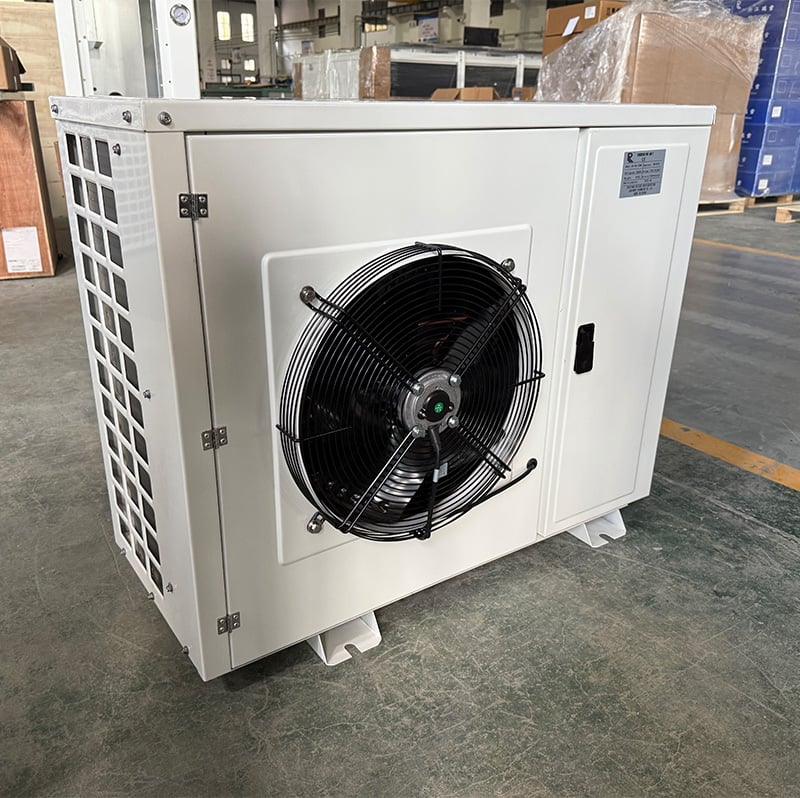
Several technical specifications are critical for evaluating hermetic compressor condensing units.
Refrigerant Type: The choice of refrigerant impacts efficiency, environmental compliance, and operating costs. Common refrigerants include R-134A, R-404A, and newer low-GWP (Global Warming Potential) options.
Compressor Type: Hermetic compressors can be categorized into scroll, reciprocating, and rotary types. Each has its advantages in terms of efficiency, noise, and maintenance needs. For instance, scroll compressors are known for their quiet operation and high efficiency.
Power Supply: Units are available in various voltage and phase configurations (single-phase or three-phase). Ensure compatibility with your facility’s electrical system.
Control System: Advanced control systems can offer better efficiency and ease of use. Consider units that provide digital controls for precise temperature management.
Pressure Ratings: Understanding the pressure ratings of the unit is essential for safety and compatibility with your refrigeration system. Ensure that the unit meets the requirements for your specific application.
Buyers should carefully evaluate these specifications against their project requirements to ensure a suitable match.
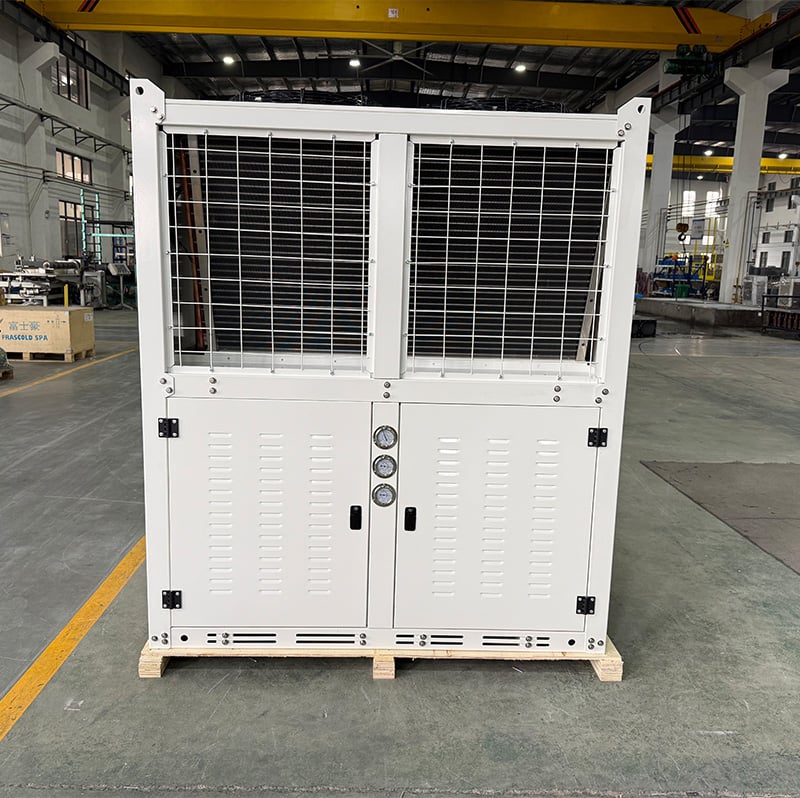
Evaluating the quality of hermetic compressor condensing units involves a thorough examination of several factors.
Manufacturing Standards: Check if the manufacturer adheres to ISO quality standards or other relevant certifications. This can be a good indicator of the quality and reliability of the units.
Materials Used: The durability of the unit often depends on the quality of materials used in its construction. Stainless steel and high-grade plastics are preferred for their resistance to corrosion and physical stress.
Warranty and Support: A robust warranty and responsive customer support indicate a manufacturer’s confidence in their product. Look for warranties that cover key components for at least five years.
Testing Procedures: Inquire about the testing protocols the units undergo before shipment. Units that are rigorously tested for performance and safety are likely to be more reliable.
User Reviews and Case Studies: Gathering feedback from existing users can provide insights into the real-world performance and reliability of the units. Look for case studies that demonstrate successful implementations in similar applications, such as those involving H Type Condensing Units.
By focusing on these quality indicators, buyers can minimize risks and ensure they are investing in reliable equipment.
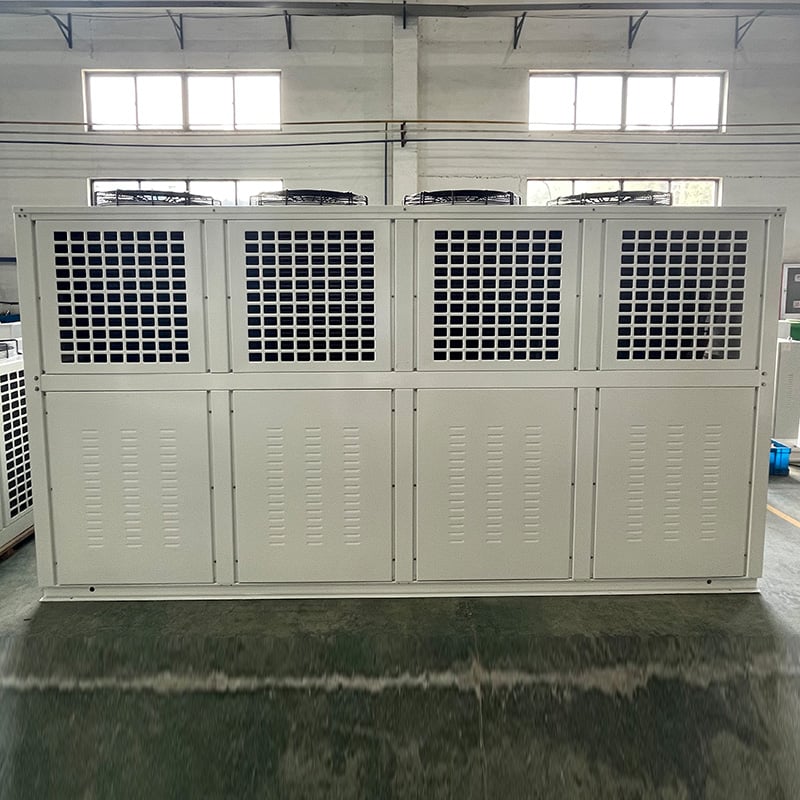
Proper installation is crucial for the performance and longevity of hermetic compressor condensing units. Here are several tips to consider:
Location: Choose an installation site that allows for adequate airflow and is sheltered from direct sunlight and debris. This ensures the unit operates efficiently and has a longer lifespan.
Vibration Isolation: Use anti-vibration mounts to minimize noise and prevent wear on the compressor. This is especially important in commercial settings where noise reduction is a priority.
Piping and Insulation: Ensure that refrigerant piping is appropriately sized and insulated to prevent energy loss. Use materials that can withstand the operating pressures and temperatures.
Electrical Connections: Engage a qualified electrician to handle electrical connections to ensure compliance with local codes and safety standards. Proper grounding is essential to prevent electrical hazards.
Commissioning: After installation, perform a thorough commissioning process to check for leaks, proper refrigerant levels, and correct electrical connections. This step is vital for optimal performance.
Following these installation tips can help ensure that the hermetic compressor condensing unit operates smoothly and efficiently from the start.
The modern factory has an area greater than 40,000 square meters, to satisfy the majority of the EMTH production requirements.
After more than 20 years of expertise, we've got full sales and production and after-sales process with more than 20 patent certificates and a skilled R&D EMTH team.
Special docking is offered to provide a full range of service. This includes the creation of Cuber ice machine, production installations, landing plans, and after-sales support.
EMTH EMTH has a track record in the field with over 3,000+ happy customers.

Welcome to EMTH, a cold storage refrigeration equipment specialist in China! We offer innovative and effective cold storage solutions, including cold storage, evaporator, condensing unit and ice machine.
Room 304-305B, Building 5, BESHINE B.P, No. 559Zhuyuan Road, Minhang District 201112, Shanghai, China
Copyright © Shanghai EMTH Import & Export Co., Ltd. All Rights Reserved. - Privacy Policy
 EN
 AR
 BG
 HR
 CS
 DA
 NL
 FI
 FR
 DE
 EL
 IT
 JA
 KO
 NO
 PL
 PT
 RO
 RU
 ES
 TL
 IW
 ID
 LT
 SR
 VI
 HU
 TH
 MS
 AZ
 JW
 LO
 MN
 SO
 MY
 KK
 TG
 UZ
 GD
 XH