Industrial condensers are critical components in refrigeration systems, playing a vital role in cooling processes across various industries. As a purchasing manager or engineer, understanding the specifications, quality factors, and installation considerations for industrial condensers is essential to ensure optimal performance and reliability. , we will delve into the key specifications for high-performance industrial condensers, how to evaluate their quality, sourcing strategies, common installation issues, and the material advantages of our condensers, all aimed at assisting you in making informed purchasing decisions.
When evaluating industrial condensers, several key specifications can impact performance and efficiency. These include:
Cooling Capacity: Measured in BTUs or kilowatts, the cooling capacity indicates how much heat the condenser can remove from the refrigerant. Ensure the capacity aligns with your system's requirements to maintain efficiency.
Refrigerant Compatibility: Different condensers are designed for specific refrigerants, such as R-410A or R-134A. Confirm compatibility with your existing systems to avoid performance issues.
Dimensions: The size of the condenser affects installation and integration into existing systems. Check the dimensions to ensure it fits within the designated space and meets airflow requirements.
Material Composition: High-quality materials, like copper or aluminum, enhance heat transfer efficiency and corrosion resistance. Consider the operating environment when selecting materials to ensure longevity. For example, our Bitzer Condensing Unit utilizes top-grade materials to guarantee high performance.
Pressure Ratings: Confirm that the condenser’s construction can handle the operating pressures of your system. Insufficient pressure ratings can lead to failures and safety hazards.
Selecting condensers that meet these specifications is crucial for ensuring reliable operation and efficiency in your refrigeration systems.
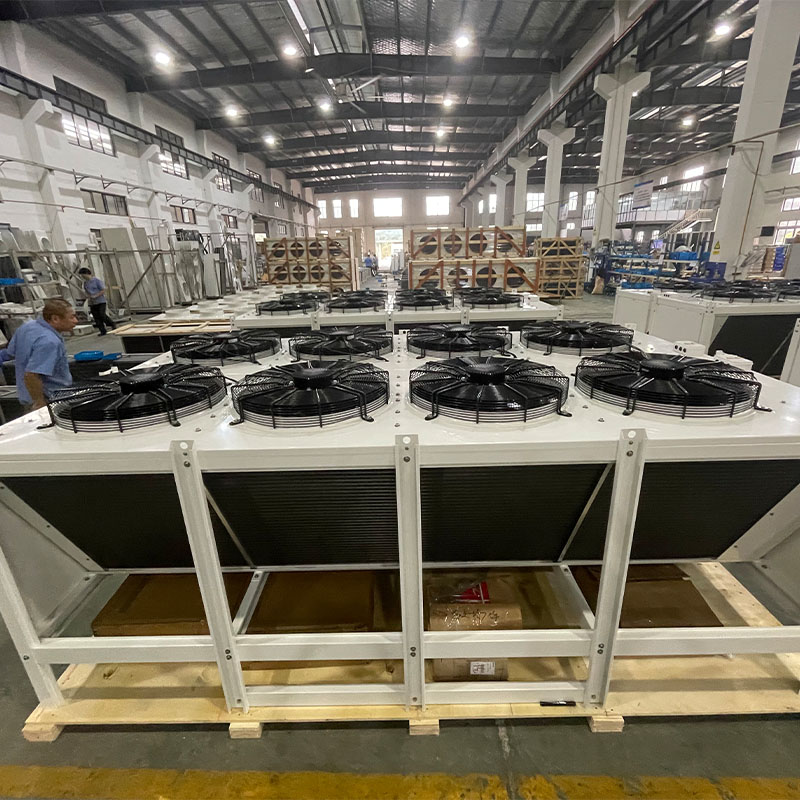
Evaluating the quality of industrial condensers involves several key factors:
Manufacturer Reputation: Research the manufacturer's experience and track record in the industry. Companies with extensive experience and patents, like Shanghai EMTH, often have rigorous quality control processes in place.
Certifications: Look for industry certifications that indicate compliance with international standards, such as ISO 9001. These certifications can assure buyers of a commitment to quality and reliability.
Material Quality: Inspect the materials used in the condenser's construction. High-quality metals and coatings can significantly impact durability and performance.
Testing Procedures: Verify whether the manufacturer conducts comprehensive testing on their products, such as pressure testing and thermal performance evaluations. This ensures that the condensers meet performance specifications before delivery.
Warranty and Support: A solid warranty can be a good indicator of product quality. Manufacturers that offer extensive support can also help address any issues that arise during operation.
Taking the time to evaluate these aspects can lead to better purchasing decisions and reduce the risk of operational failures.
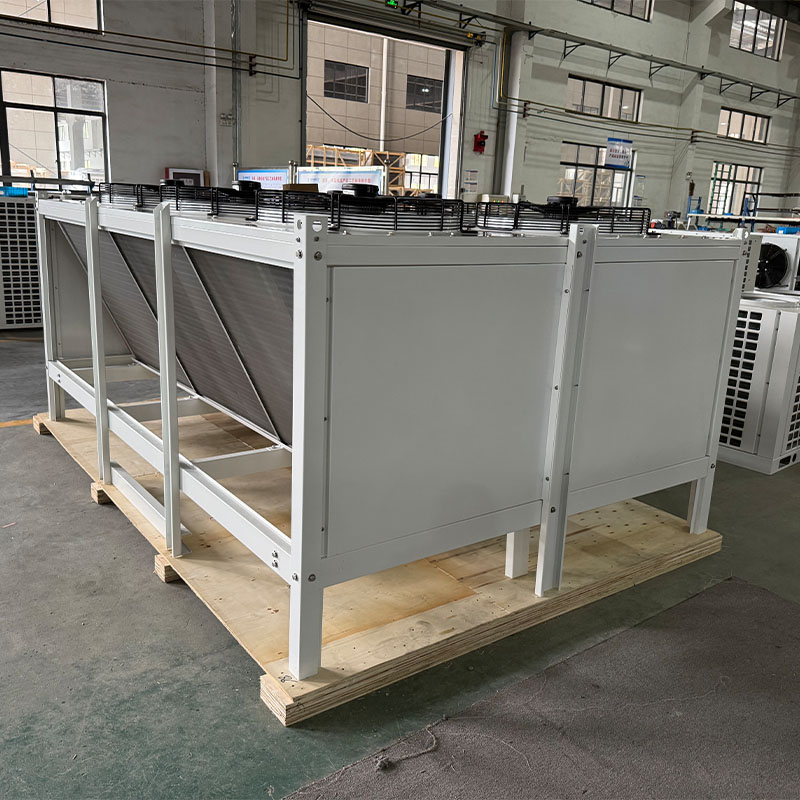
When sourcing industrial condensers, consider the following strategies:
Define Your Requirements: Clearly outline the specifications needed for your application, including cooling capacity, refrigerant type, and dimensions. This information will facilitate accurate quotations from suppliers.
Request Samples: Before placing a bulk order, request samples to evaluate the product's quality and performance under your specific operating conditions. Testing the sample can reveal compatibility and operational issues that might not be apparent from specifications alone.
Compare Suppliers: Assess multiple suppliers based on their product offerings, pricing, lead times, and customer service. Look for manufacturers with a proven track record in the industry, such as Shanghai EMTH, which specializes in refrigeration equipment like the YH Type Condenser.
Negotiate Terms: Be prepared to discuss pricing, minimum order quantities (MOQ), and delivery terms. Understanding the factors that influence cost—such as material choices and production capacity—can help you negotiate better deals.
Evaluate Customization Options: If your application requires specific modifications, inquire about the manufacturer’s ability to customize products to meet your needs. Custom solutions can enhance performance and compatibility with existing systems.
By following these sourcing strategies, you can ensure that you choose a supplier that aligns with your operational needs and budget.
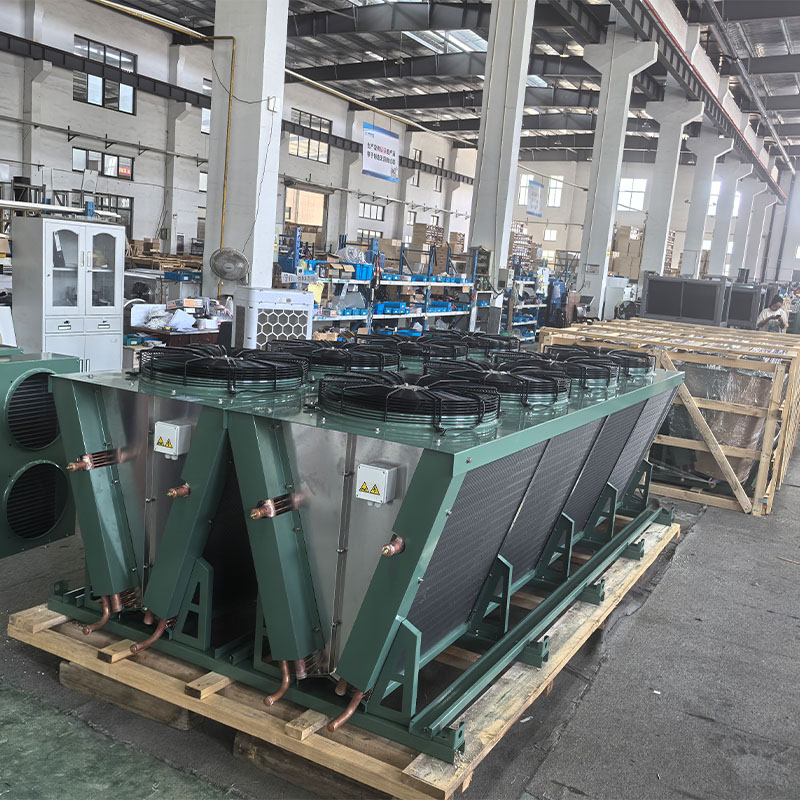
Installation of industrial condensers can present several challenges. Here are common issues and their solutions:
Inadequate Space: Ensure that the installation site has sufficient space for airflow and maintenance access. If space is limited, consider redesigning the layout or selecting a more compact condenser model.
Improper Alignment: Misalignment can lead to vibration and noise issues. To avoid this, carefully level and align the condenser before securing it in place.
Insufficient Refrigerant Charge: An improper refrigerant charge can lead to inefficiency and potential damage. Always follow the manufacturer's guidelines for charging the system during installation.
Electrical Issues: Verify that the electrical connections are secure and compliant with local codes. Poor connections can lead to operational failures and safety hazards.
Condensation Drainage Problems: Ensure that drainage systems are correctly installed to prevent water accumulation around the condenser. Regular maintenance checks should include inspecting drainage lines for blockages.
By addressing these common installation issues proactively, you can enhance the reliability and performance of your industrial condensers.
With more than 20 years of knowledge, we've developed a a complete production and sales and after-sales process with more than 20 patent certificates and a skilled R&D EMTH team.
A modern factory of over 40,000 square meters is available to fulfill the majority of EMTH demands for production.
Special docking is available for a complete system of service. It includes creation of plans, Axial fans, landing plans, and after-sales support.
EMTH has a long-standing track record of success in the industry with more than 3,000 satisfied customers.

Welcome to EMTH, a cold storage refrigeration equipment specialist in China! We offer innovative and effective cold storage solutions, including cold storage, evaporator, condensing unit and ice machine.
Room 304-305B, Building 5, BESHINE B.P, No. 559Zhuyuan Road, Minhang District 201112, Shanghai, China
Copyright © Shanghai EMTH Import & Export Co., Ltd. All Rights Reserved. - Privacy Policy
 EN
 AR
 BG
 HR
 CS
 DA
 NL
 FI
 FR
 DE
 EL
 IT
 JA
 KO
 NO
 PL
 PT
 RO
 RU
 ES
 TL
 IW
 ID
 LT
 SR
 VI
 HU
 TH
 MS
 AZ
 JW
 LO
 MN
 SO
 MY
 KK
 TG
 UZ
 GD
 XH