When selecting a refrigeration compressor condensing unit, buyers face critical decisions that impact efficiency, reliability, and overall performance. These units are essential for various cooling applications, making their specifications and quality paramount. This article will guide you through essential considerations, sourcing options, quality evaluation, installation challenges, and applications across industries, ensuring you make informed purchasing decisions.
Choosing the right refrigeration compressor condensing unit involves several key considerations. First, assess the cooling capacity required for your application, typically measured in BTUs per hour. This capacity should align with the specific heat load of the environment where the unit will operate.
Next, consider the type of refrigerant used in the unit. Common options include R-134a, R-404A, and R-410A, each with different environmental impacts and efficiency levels. Regulatory compliance with local environmental laws is crucial, particularly with phased-out refrigerants.
The efficiency rating, often indicated by the Energy Efficiency Ratio (EER) or Seasonal Energy Efficiency Ratio (SEER), is also vital. Higher ratings can lead to significant energy savings over time, impacting operational costs.
Additionally, evaluate the build quality and materials used, which affect durability and maintenance needs. Stainless steel components, for example, may offer better corrosion resistance than alternatives, extending the unit's lifespan. Units equipped with an Air Curtain can further enhance efficiency by providing air barriers.
Lastly, customization capabilities should be discussed with potential suppliers, as specific applications may require tailored solutions, such as unique dimensions or additional features like variable speed drives.
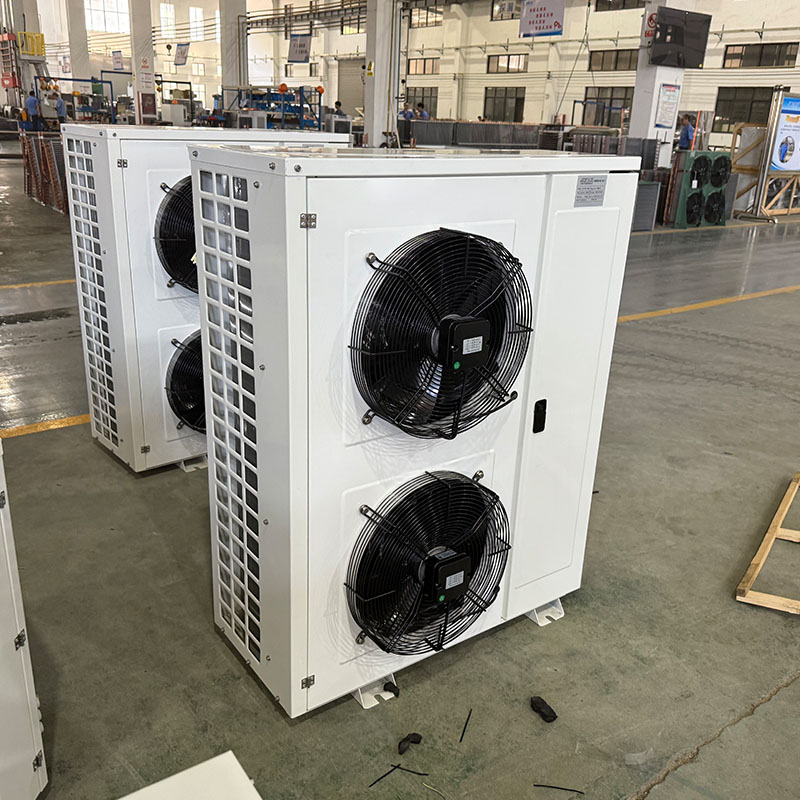
Finding a reliable supplier for refrigeration compressor condensing units can significantly influence your purchasing experience. Start by researching manufacturers with a strong reputation and extensive experience in the industry. Shanghai EMTH, a branch of Zhejiang RUIXUE, leverages over 20 years of experience in refrigeration equipment manufacturing, providing a solid option for quality and service.
When sourcing wholesale, consider suppliers that offer comprehensive product catalogs, allowing you to compare various models and specifications. Look for those that have strong quality control processes and can provide documentation for compliance with international standards.
Attending industry trade shows can also be beneficial, as they allow potential buyers to meet suppliers face-to-face, inspect products firsthand, and discuss specific needs directly. Online platforms and B2B marketplaces can also serve as valuable resources to identify and communicate with potential suppliers.
Lastly, evaluate the supplier's logistics and delivery capabilities, ensuring they can meet your timelines and provide support for installation and maintenance.
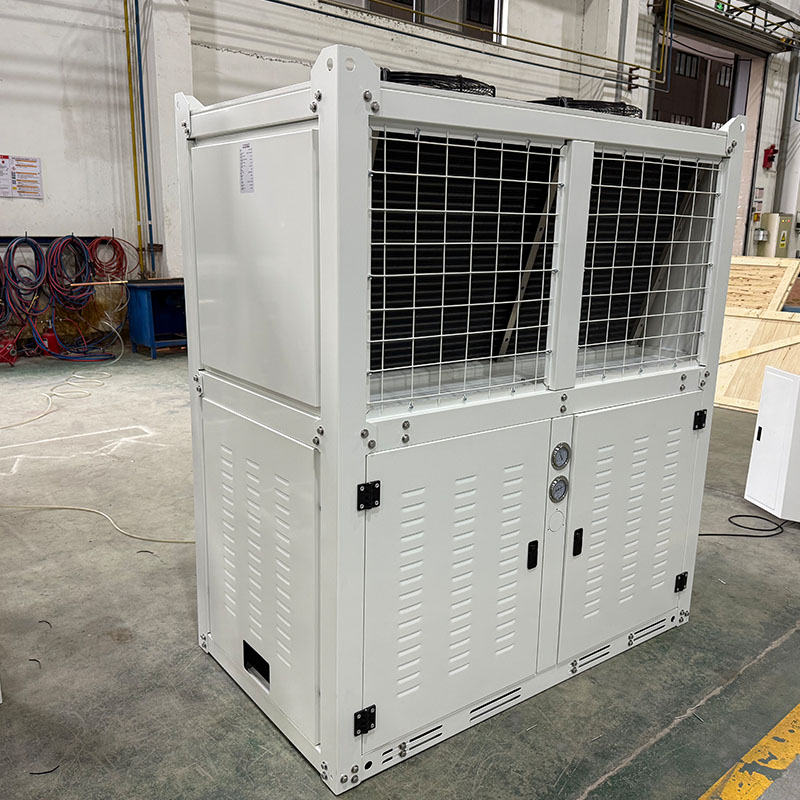
Quality evaluation of refrigeration compressor condensing units should begin with a thorough inspection of the manufacturing process. Look for manufacturers that utilize modern production equipment and adhere to stringent quality control measures. Certifications such as ISO 9001 can be indicators of a commitment to quality management.
Request samples of the units for testing under actual operating conditions before placing a bulk order. This allows you to verify performance metrics and assess build quality directly. Pay attention to dimensions and any potential compatibility issues with existing systems.
Additionally, consider the manufacturer's track record regarding product reliability and after-sales support. Customer reviews and case studies can provide insights into long-term performance and the manufacturer's responsiveness to service issues. For instance, the availability of components like Solenoid Valves can be critical for maintenance.
Regular maintenance and the availability of spare parts are also critical factors. Units that are easy to service and have accessible components can reduce downtime and maintenance costs.
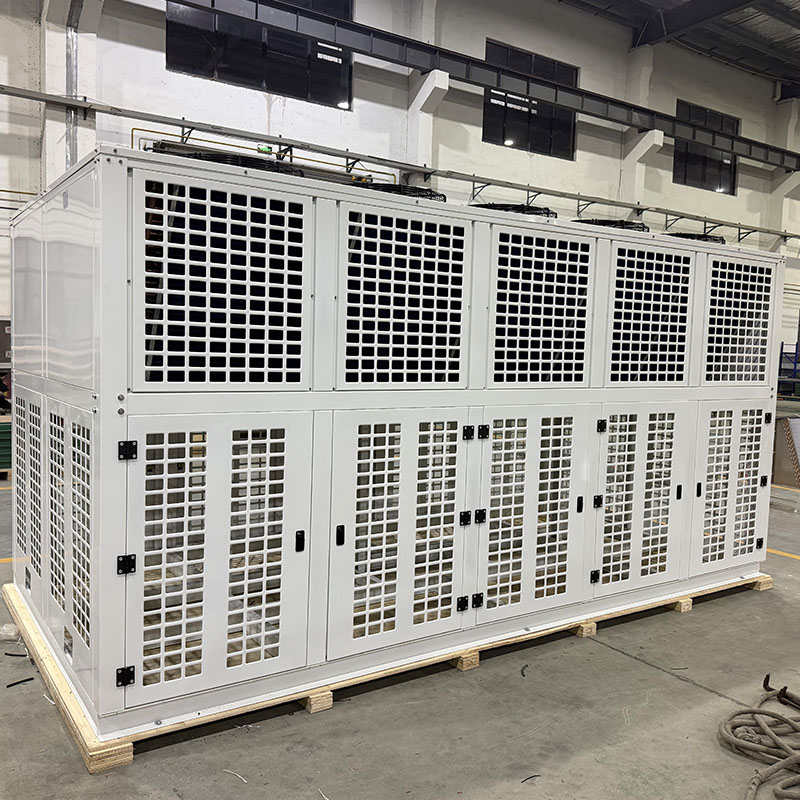
Installation of refrigeration compressor condensing units can present several challenges. One common issue is ensuring proper clearance and ventilation around the unit. Adequate airflow is critical for efficient operation, and failure to provide it can lead to overheating and reduced performance.
Another challenge involves the correct alignment and mounting of the unit. Misalignment can cause excessive vibration, leading to noise and potential damage over time. Engaging experienced installation professionals who understand the specific requirements of refrigeration units is advisable.
Wiring and refrigerant connections must also be handled with precision. Incorrect wiring can lead to electrical failures, while improper refrigerant charging can negatively impact efficiency and operational safety. Always follow manufacturer guidelines and local regulations during installation.
Lastly, training staff on operational protocols post-installation is crucial. Ensuring that personnel understand maintenance routines and operational parameters can significantly extend the unit's lifespan and improve performance.
Over 20 years of experience, we have the complete sales and after-sales systems with more than 20 patents and a professional R&D EMTH team.
With a great reputation in the business and over 3,000+ clients that they have served, EMTH EMTH is a trustworthy established supplier that is praised by its clients.
A modern factory of over 40,000 square meters is available to fulfill the majority of EMTH demands for production.
Complete service system, from the creation of plans, Ice maker for commercial production and project landing, to after-sales services, there's special docking.

Welcome to EMTH, a cold storage refrigeration equipment specialist in China! We offer innovative and effective cold storage solutions, including cold storage, evaporator, condensing unit and ice machine.
Room 304-305B, Building 5, BESHINE B.P, No. 559Zhuyuan Road, Minhang District 201112, Shanghai, China
Copyright © Shanghai EMTH Import & Export Co., Ltd. All Rights Reserved. - Privacy Policy
 EN
 AR
 BG
 HR
 CS
 DA
 NL
 FI
 FR
 DE
 EL
 IT
 JA
 KO
 NO
 PL
 PT
 RO
 RU
 ES
 TL
 IW
 ID
 LT
 SR
 VI
 HU
 TH
 MS
 AZ
 JW
 LO
 MN
 SO
 MY
 KK
 TG
 UZ
 GD
 XH