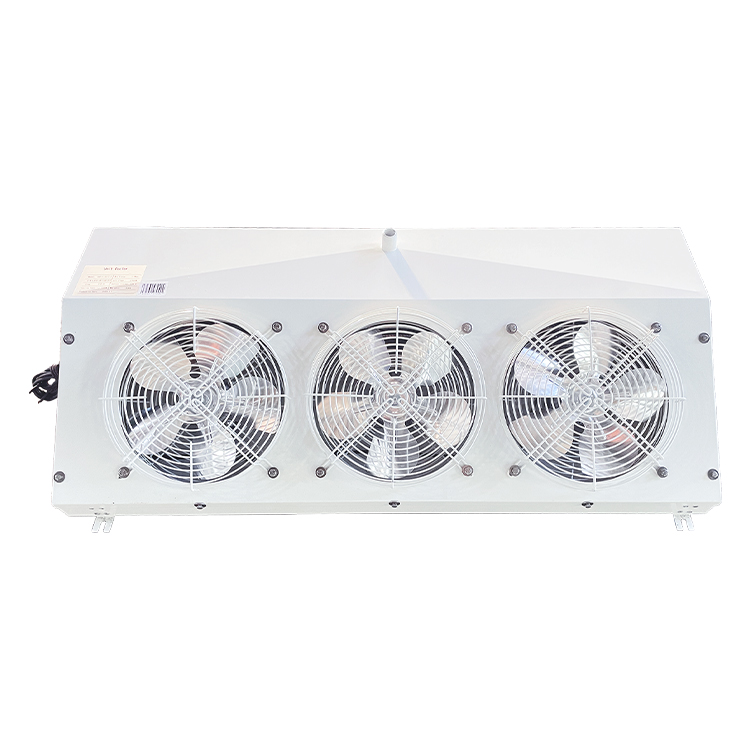
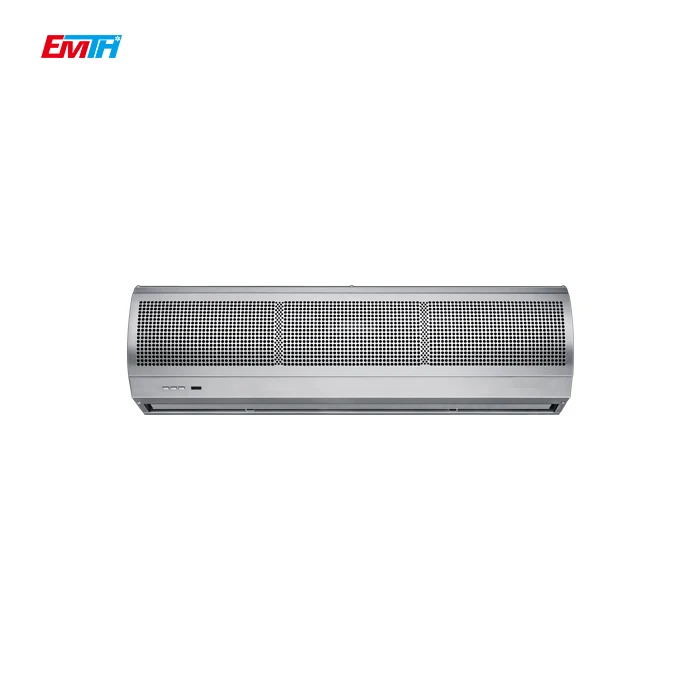
Cold storage air cooler units are essential components in the refrigeration industry, specifically designed to maintain optimal temperatures for various stored goods. As a purchasing manager or distributor, understanding the intricacies of these units is crucial for making informed decisions that align with your operational needs. This article will explore key considerations when selecting a cold storage air cooler unit, tips for evaluating quality, and common issues encountered along with solutions, helping you navigate your purchasing process effectively.
When selecting a cold storage air cooler unit, several factors should be taken into account to ensure that the unit meets your specific operational requirements. First, consider the cooling capacity, which is typically measured in BTUs or kilowatts. This specification directly affects how effectively the unit can maintain desired temperatures within your cold storage environment.
Next, evaluate the unit’s energy efficiency. A cooler with a high energy efficiency ratio (EER) can significantly reduce operational costs over time. Look for features like variable-speed fans and advanced thermostatic controls that optimize energy use. Additionally, you may want to consider units like the Bitzer Condensing Unit that are known for their efficiency.
The layout and size of your cold storage facility also play a vital role in determining the appropriate unit. The cooler must fit within the designated space while providing adequate airflow and distribution of cool air. Additionally, consider the installation requirements and whether the unit can be easily integrated into your existing setup.
Finally, assess the manufacturer's reputation and support services. A supplier with a history of reliability and responsive customer service can offer peace of mind, especially when dealing with critical equipment.
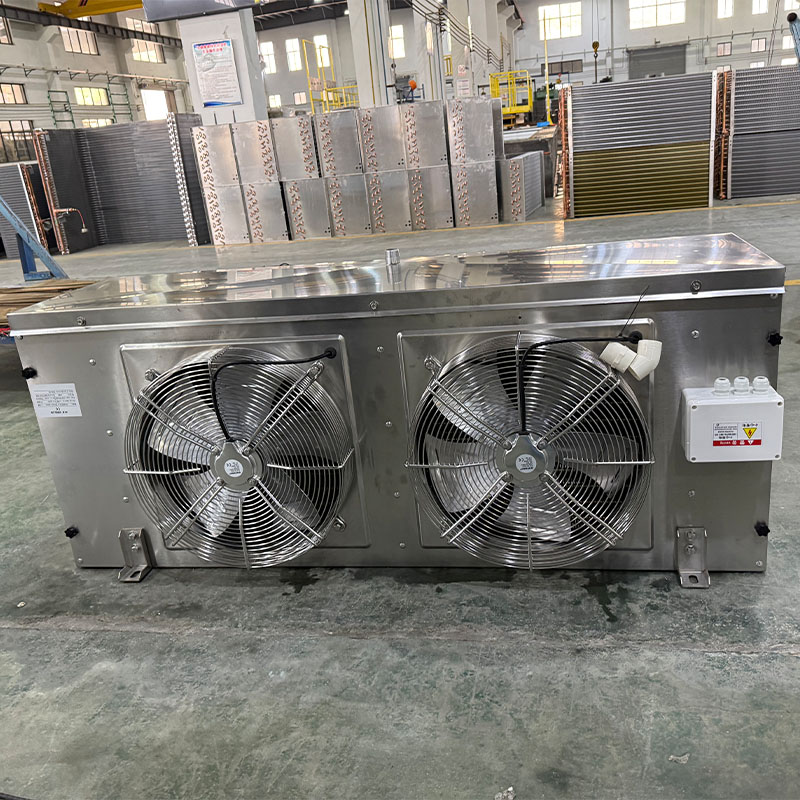
Quality evaluation is essential to ensure the reliability and longevity of cold storage air cooler units. Start by examining the materials used in the construction of the unit. High-quality metals and insulation materials can enhance durability and thermal efficiency. For instance, units made with galvanized steel or stainless steel tend to resist corrosion and have a longer service life.
Next, pay attention to certifications and compliance with industry standards. Look for units that meet international quality standards, such as ISO certifications or CE markings, which indicate adherence to safety and efficiency regulations.
Quality control processes during manufacturing are also crucial. A reputable manufacturer should have stringent quality assurance protocols in place, including testing for performance and durability before shipping. If possible, request detailed documentation of these processes to better understand the product’s reliability.
Lastly, consider feedback from other users. Reviews and testimonials can provide insights into the performance and durability of the unit in real-world applications.
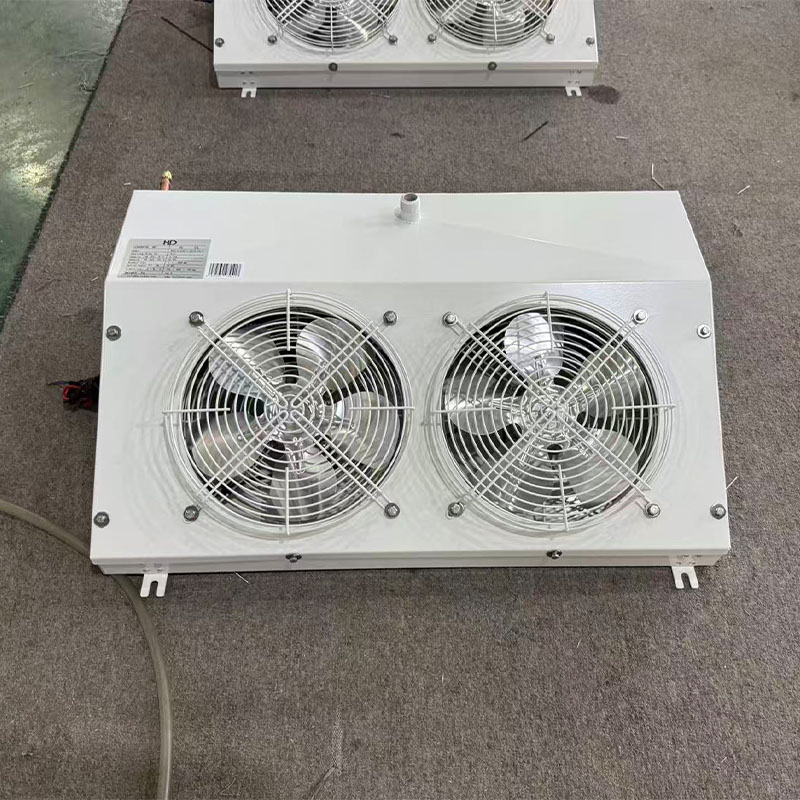
Understanding the key specifications of cold storage air cooler units is vital for making informed purchasing decisions. Here are some critical specifications to consider:
Cooling Capacity: Measured in BTUs or kilowatts, this indicates the amount of heat the unit can remove from the space it serves. It's essential to select a unit with a capacity that matches your cooling requirements to avoid energy waste or insufficient cooling.
Airflow Rate: Typically expressed in cubic feet per minute (CFM), this measurement indicates how much air the cooler can circulate. Adequate airflow is crucial for maintaining consistent temperatures throughout the storage area.
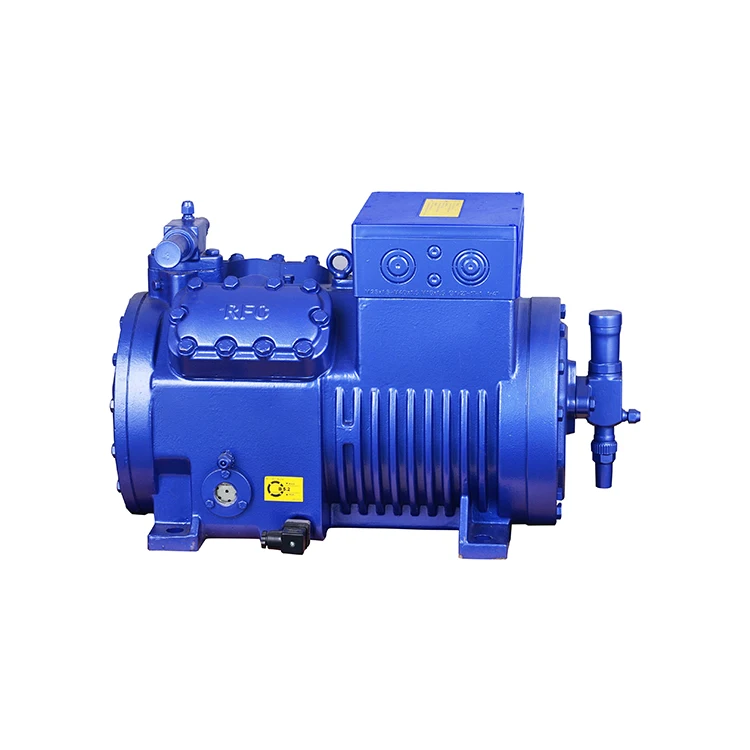
Compressor Type: The type of compressor (e.g., reciprocating, scroll, or screw) affects the efficiency and noise level of the cooler. Each type has its advantages and is suited for different applications, so it's essential to choose one that aligns with your operational needs. For example, the Compressor For Refrigeration Tools And Equipment is a popular choice among users.
Temperature Range: Ensure that the unit can operate within the specific temperature range required for your products. This is especially important for sectors like food storage, pharmaceuticals, and chemicals.
Defrosting System: Some units come with automatic defrost features that prevent ice buildup, which can significantly improve efficiency and reduce maintenance needs.
Understanding these specifications will help you select a unit that meets your operational needs and optimizes performance.
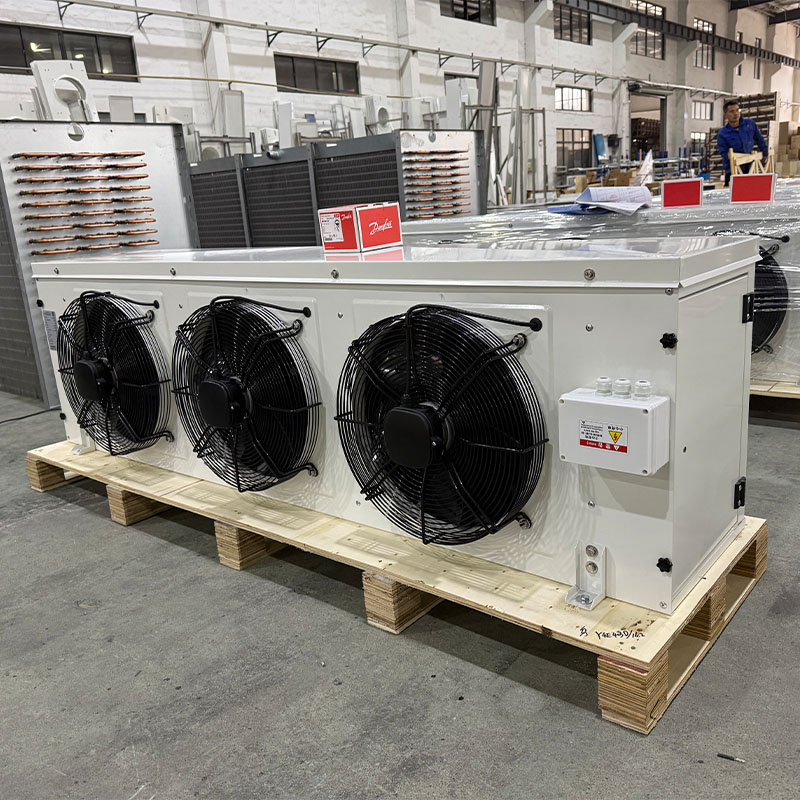
Even the best cold storage air cooler units can encounter issues over time. Here are some common problems and potential solutions:
Insufficient Cooling: If the unit fails to maintain the desired temperature, it may be due to inadequate airflow, a malfunctioning compressor, or a refrigerant leak. Regular maintenance checks can help identify and resolve these issues promptly.
Frost Buildup: Excessive frost can hinder the unit's efficiency. Implementing regular defrost cycles and ensuring that the unit is properly insulated can prevent this issue.
Noise Issues: Unusual noises may indicate a problem with the compressor, fans, or other components. Investigating and addressing these noises early can prevent more significant failures.
High Energy Bills: If energy costs rise unexpectedly, it may be a sign that the unit is not operating efficiently. Regular maintenance, including cleaning filters and inspecting seals, can help improve efficiency. Consider upgrading to an energy-efficient model like the H Type Condensing Units if needed.
By being aware of these common problems and implementing proactive solutions, you can extend the lifespan of your cold storage air cooler units.
With a strong name in the industry, and over 3,000+ clients served, EMTH EMTH is a trustworthy and reliable supplier who has been recognized by other customers.
Over 20 years of experience, we have the complete sales and after-sales systems with more than 20 patents and a professional R&D EMTH team.
A modern factory of over 40000 square meters is in place to meet the majority of the EMTH production needs.
Complete service program, from formulating of plans, production of Cold room as well as project landing until after-sales service, there are specific docking.

Welcome to EMTH, a cold storage refrigeration equipment specialist in China! We offer innovative and effective cold storage solutions, including cold storage, evaporator, condensing unit and ice machine.
Room 304-305B, Building 5, BESHINE B.P, No. 559Zhuyuan Road, Minhang District 201112, Shanghai, China
Copyright © Shanghai EMTH Import & Export Co., Ltd. All Rights Reserved. - Privacy Policy
 EN
 AR
 BG
 HR
 CS
 DA
 NL
 FI
 FR
 DE
 EL
 IT
 JA
 KO
 NO
 PL
 PT
 RO
 RU
 ES
 TL
 IW
 ID
 LT
 SR
 VI
 HU
 TH
 MS
 AZ
 JW
 LO
 MN
 SO
 MY
 KK
 TG
 UZ
 GD
 XH