Chiller condensers are essential components in refrigeration systems, playing a critical role in the cooling process by facilitating the heat exchange necessary for efficient operation. For manufacturers, purchasing managers, and engineers, selecting the right chiller condenser is crucial, as it directly affects system efficiency, operational costs, and overall performance. This article will guide you through the selection process, key specifications to consider, the importance of trust in supplier relationships, best practices for procurement, and an understanding of cost factors involved in sourcing chiller condensers. For instance, exploring options like the Bitzer Condensing Unit can provide insights into high-performance alternatives.
Choosing the right chiller condenser begins with understanding your specific cooling requirements. Consider factors such as the cooling load, ambient conditions, and the type of refrigerant used in your system. The condenser's design—whether air-cooled or water-cooled—also significantly influences its performance and suitability for your application.
Air-cooled condensers are generally easier to install and maintain, making them suitable for facilities with limited space or resources. In contrast, water-cooled condensers offer higher efficiency and are better suited for applications requiring large cooling capacities. Additionally, consider the space available for installation, as the size and configuration of the condenser must align with your facility's layout.
Lastly, factor in the anticipated operating conditions, including temperature and humidity levels, as these will affect the condenser's performance. By clearly defining these parameters, you can narrow down options and select a condenser that meets your operational needs while optimizing energy efficiency.
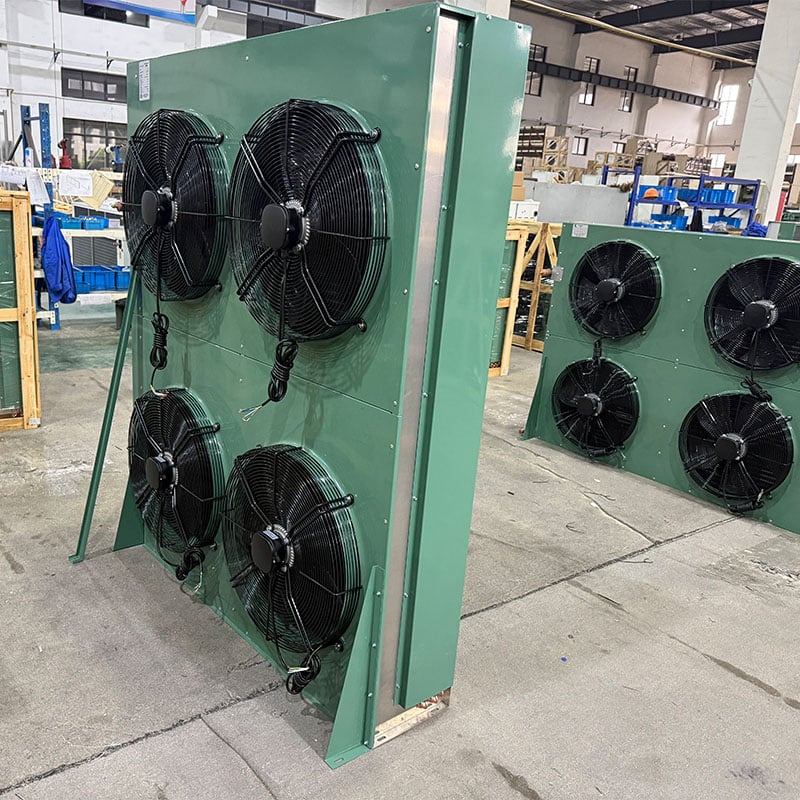
When sourcing chiller condensers, several key specifications should be evaluated to ensure compatibility and performance:
Cooling Capacity: Measured in BTUs or kW, this indicates the amount of heat the condenser can remove from the refrigerant. Ensure the capacity aligns with your system's cooling load to avoid inefficiency or system failure.
Material Construction: Common materials include copper and aluminum. Copper provides excellent thermal conductivity, while aluminum is lightweight and resistant to corrosion. The choice of material will influence durability and maintenance requirements.
Dimensions and Design: The physical dimensions of the condenser must fit your installation space. Additionally, consider the design—whether finned-tube, shell-and-tube, or another configuration—as this affects heat transfer efficiency and maintenance access. Products like the YH Type Condenser can serve as references for various designs.
Operating Pressure and Temperature: Confirm that the condenser can operate within the pressure and temperature ranges of your refrigeration system. Exceeding these limits can lead to failures or safety issues.
Energy Efficiency Ratio (EER): This metric indicates the efficiency of the condenser in converting electrical energy to cooling output. A higher EER signifies better efficiency, which can lead to cost savings in energy consumption.
Understanding these specifications will help you evaluate different chiller condenser options, ensuring that you select a product that meets your operational requirements and contributes to the overall efficiency of your cooling system.
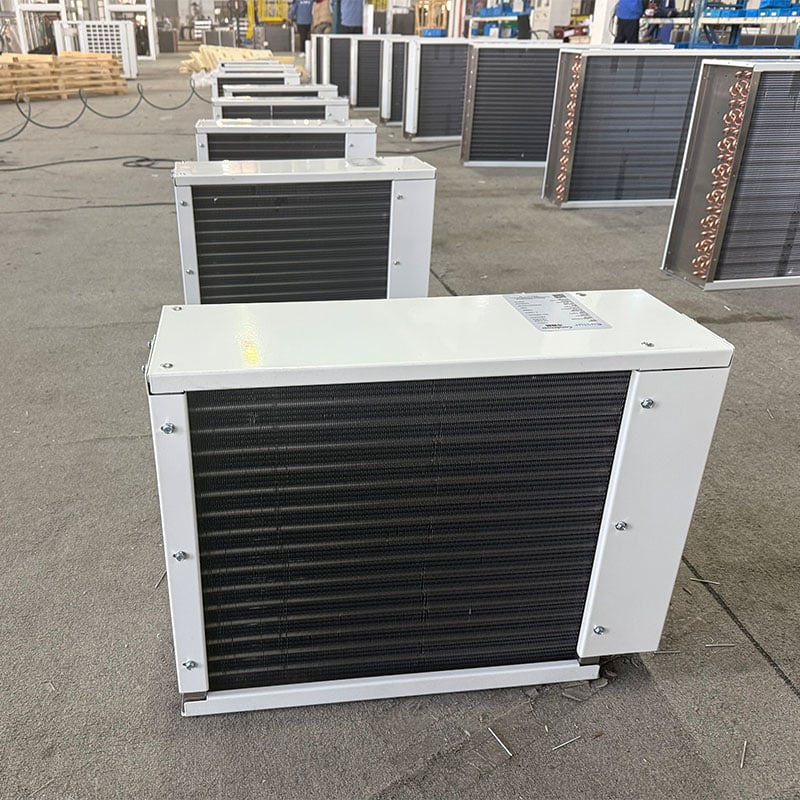
In the competitive landscape of refrigeration equipment, trust plays a pivotal role in the purchasing process. Establishing a relationship with a reputable manufacturer like Shanghai EMTH, with over 20 years of experience and numerous patents, can significantly reduce the risks associated with sourcing chiller condensers.
When evaluating suppliers, consider their track record in quality control, production capabilities, and customer service. A trustworthy manufacturer will provide detailed information about their production processes, materials, and certifications. Look for suppliers who offer transparency in their operations, as this reflects their commitment to quality and customer satisfaction.
Additionally, seek references or testimonials from other businesses that have sourced condensers from the supplier. This firsthand feedback can provide valuable insights into the reliability of the products and the level of support you can expect during and after the purchasing process.
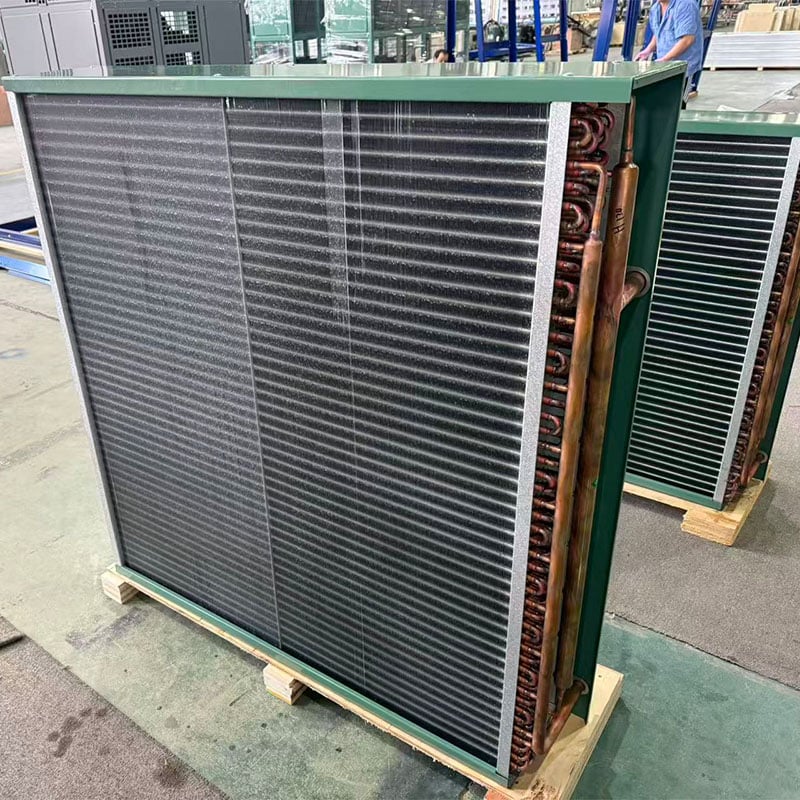
To ensure a successful procurement process for chiller condensers, follow these best practices:
Conduct Thorough Research: Before making a purchase, research various manufacturers and products. Compare specifications, pricing, and service offerings to make an informed decision.
Request Samples: Whenever possible, request samples of the condenser prior to placing a bulk order. This allows you to evaluate quality and performance in real-world conditions.
Verify Certifications: Confirm that the condensers meet industry standards and certifications relevant to your application. This ensures compliance and reduces the likelihood of operational issues.
Engage in Clear Communication: Maintain open lines of communication with your supplier. Clearly outline your requirements and expectations to avoid misunderstandings and ensure timely delivery.
Plan for Maintenance: Consider the long-term maintenance of the chiller condenser. Opt for designs that allow easy access for repairs and routine servicing to minimize downtime.
By adhering to these best practices, you can streamline the purchasing process and ensure that you receive a chiller condenser that meets your business needs effectively.
Special docking is offered for a complete service. This includes the design of Commercial ice maker, production installation, landing projects, and after-sales support.
A modern plant of over 40000 square meters is in place to meet the majority Ice maker for under counter demands for production.
EMTH EMTH has a solid track record in the field, with over 3,000+ happy customers.
More than 20 years of' experience and an experienced R&D EMTH team.

Welcome to EMTH, a cold storage refrigeration equipment specialist in China! We offer innovative and effective cold storage solutions, including cold storage, evaporator, condensing unit and ice machine.
Room 304-305B, Building 5, BESHINE B.P, No. 559Zhuyuan Road, Minhang District 201112, Shanghai, China
Copyright © Shanghai EMTH Import & Export Co., Ltd. All Rights Reserved. - Privacy Policy
 EN
 AR
 BG
 HR
 CS
 DA
 NL
 FI
 FR
 DE
 EL
 IT
 JA
 KO
 NO
 PL
 PT
 RO
 RU
 ES
 TL
 IW
 ID
 LT
 SR
 VI
 HU
 TH
 MS
 AZ
 JW
 LO
 MN
 SO
 MY
 KK
 TG
 UZ
 GD
 XH