Understanding the role of the condenser in chiller systems is crucial for B2B buyers involved in refrigeration and air conditioning applications. A condenser serves as a heat exchanger, enabling the cooling process by transferring heat from the refrigerant to the outside environment. This article addresses common concerns among purchasing managers and engineers, such as how to choose the right condenser, key specifications to consider, and potential problems. By exploring these areas, readers will gain valuable insights to make informed purchasing decisions related to condensers in chiller applications.
Choosing the right condenser involves assessing the specific requirements of your chiller system. Start by identifying the application environment—whether it's for commercial refrigeration, industrial cooling, or HVAC systems. Consider factors like the expected load capacity, ambient temperature, and available space for installation.
Next, evaluate the type of condenser that best fits your needs: air-cooled, water-cooled, or evaporative. Each type has distinct advantages; for instance, air-cooled condensers are often simpler to install and maintain, while water-cooled condensers might offer better efficiency in larger systems.
Lastly, consult with the manufacturer to ensure compatibility with your existing systems and to discuss customization options. Shanghai EMTH, with its extensive experience and expertise in refrigeration equipment, can provide tailored solutions that meet exact specifications, including various refrigeration accessories that enhance system performance.
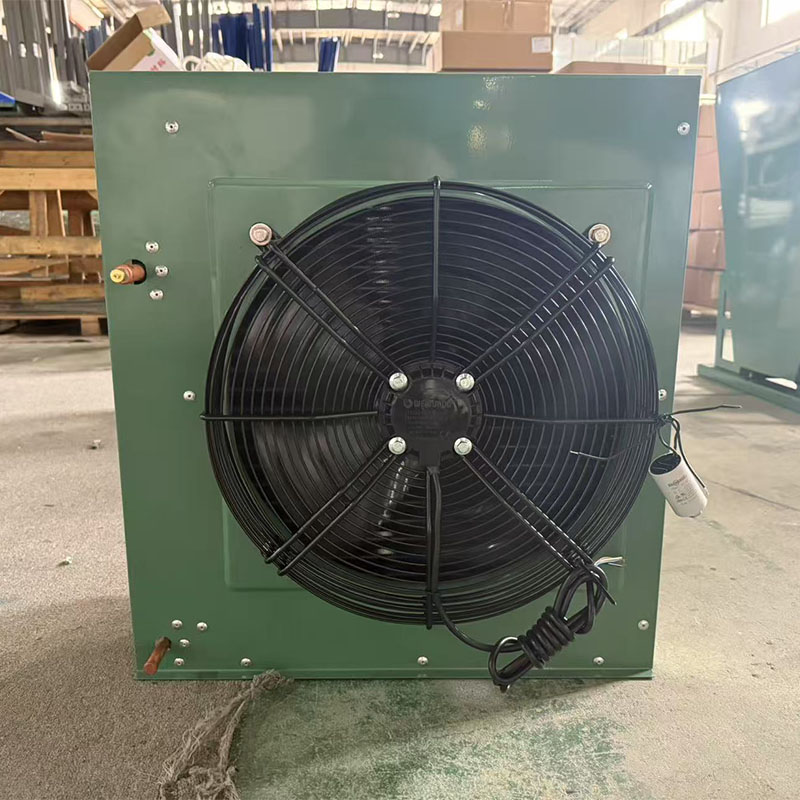
When evaluating condensers for chiller systems, certain key specifications should be prioritized:
Heat Exchange Capacity: Measured in BTUs or kW, this indicates how much heat the condenser can dissipate. Ensure that the condenser can handle the maximum expected load of your chiller system.
Material: Common materials include copper and aluminum, each offering unique thermal conductivity and corrosion resistance properties. Copper is favored for its superior heat transfer capabilities, while aluminum is lighter and often more cost-effective.
Dimensions: The size of the condenser must fit within the allocated installation space. Be mindful of both the footprint and the height for proper airflow and maintenance access.
Operating Pressure: Condensers are rated for specific operating pressures which should align with your chiller's requirements to prevent operational failures.
Energy Efficiency Rating: Look for models with high energy efficiency ratings to reduce operational costs and support sustainability goals.
These specifications play a critical role in ensuring that the condenser functions effectively within the chiller system, minimizing operational issues down the line.
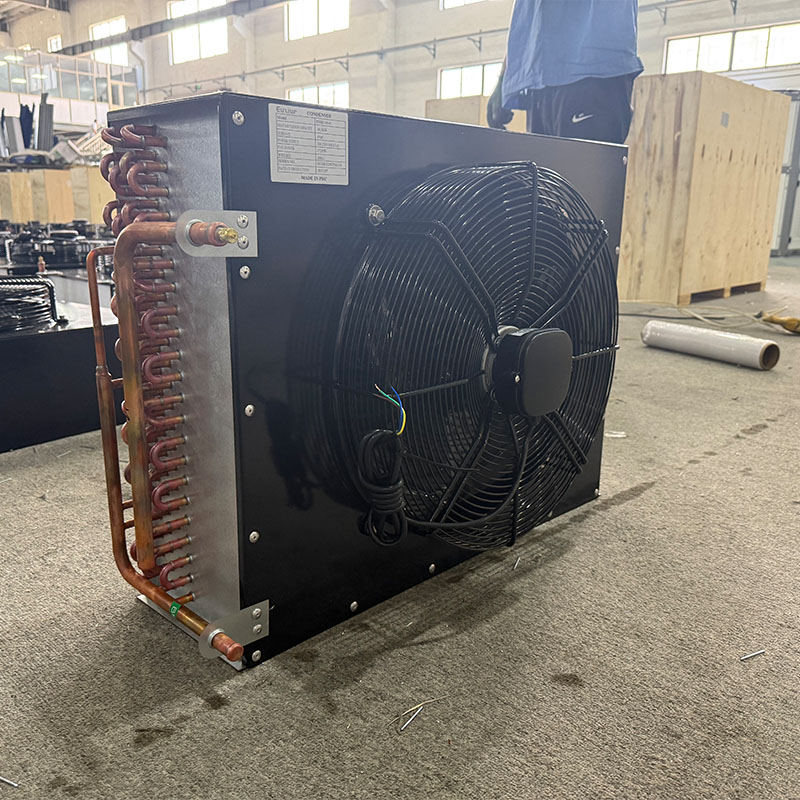
For businesses looking to purchase condensers in bulk, understanding wholesale solutions can yield significant cost savings and operational efficiency. Partnering with a reliable manufacturer like Shanghai EMTH can provide access to high-quality condensers tailored to your specifications.
Consider the following when sourcing wholesale condensers:
Minimum Order Quantity (MOQ): Determine the supplier’s MOQ to ensure it aligns with your inventory needs. This can affect lead times and pricing.
Customization Options: Many manufacturers offer customization for specific performance requirements or dimensions. Discuss your needs upfront to avoid delays in production.
Packaging and Shipping: Ensure that the manufacturer employs appropriate packaging methods to protect the condensers during transit. Discuss shipping options to minimize lead times.
By focusing on these factors, businesses can secure efficient and reliable condenser solutions for their chiller systems.
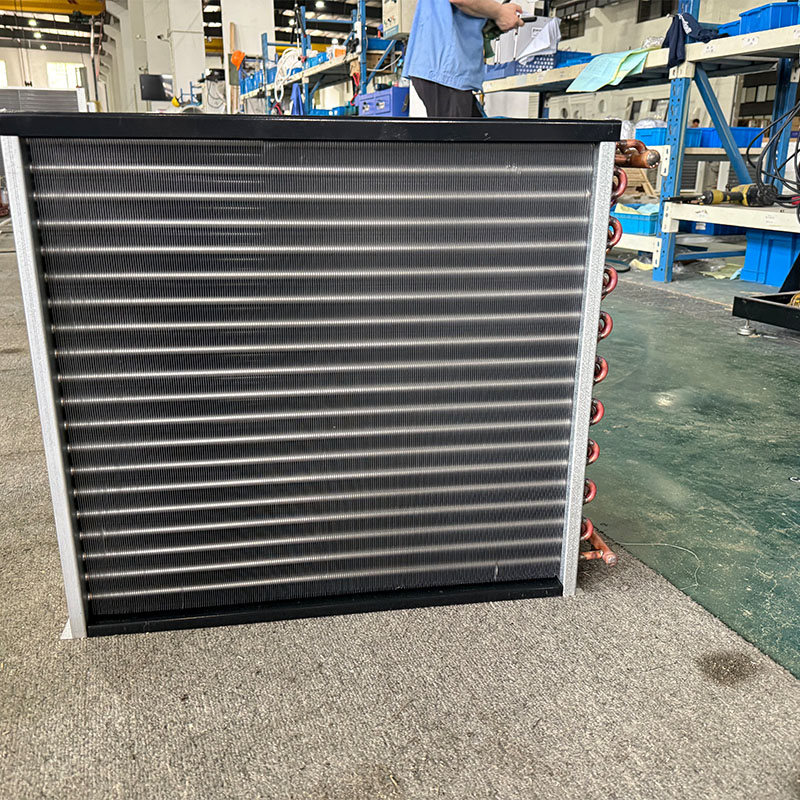
Quality is paramount in ensuring the longevity and performance of a condenser within a chiller. Key indicators of quality include:
Certifications: Verify if the products meet relevant industry standards and certifications, which can indicate adherence to quality control processes.
Quality Control Processes: Understand the manufacturer's quality assurance practices. For instance, Shanghai EMTH employs stringent testing protocols to ensure that each condenser meets performance and durability benchmarks.
Warranty and After-Sales Support: A solid warranty and reliable customer support can offer peace of mind. They ensure that any potential issues can be addressed promptly.
Regular maintenance and inspection are also crucial. Buyers should schedule periodic checks to assess the condition of the condensers, ensuring they operate efficiently over time.
With a great reputation in the business and over 3,000+ clients that they have served, EMTH EMTH is a trustworthy established supplier that is praised by its clients.
Special docking is available for a complete system of service. It includes creation of plans, Axial fans, landing plans, and after-sales support.
The modern factory has an area greater than 40,000 square meters, to satisfy the majority of the EMTH production requirements.
We have more than 20 years of experience and an experienced R&D EMTH.

Welcome to EMTH, a cold storage refrigeration equipment specialist in China! We offer innovative and effective cold storage solutions, including cold storage, evaporator, condensing unit and ice machine.
Room 304-305B, Building 5, BESHINE B.P, No. 559Zhuyuan Road, Minhang District 201112, Shanghai, China
Copyright © Shanghai EMTH Import & Export Co., Ltd. All Rights Reserved. - Privacy Policy
 EN
 AR
 BG
 HR
 CS
 DA
 NL
 FI
 FR
 DE
 EL
 IT
 JA
 KO
 NO
 PL
 PT
 RO
 RU
 ES
 TL
 IW
 ID
 LT
 SR
 VI
 HU
 TH
 MS
 AZ
 JW
 LO
 MN
 SO
 MY
 KK
 TG
 UZ
 GD
 XH