In the world of refrigeration, a condenser for chiller systems plays a critical role in maintaining efficient temperature control. As a critical component in the cooling process, selecting the appropriate condenser is essential for ensuring optimal performance, reliability, and cost-effectiveness. B2B buyers, including purchasing managers and engineers, often prioritize factors such as product specifications, quality assurance, and application suitability when evaluating condensers. This article will provide insights into choosing the right condenser for your chiller system needs, evaluating quality, addressing common issues, bulk ordering considerations, and comparing different condenser types for optimal efficiency. For example, consider the YH Type Condenser as a viable option for various applications.
Selecting the appropriate condenser for your chiller system requires careful consideration of various factors. The first step is to identify the type of cooling application you are dealing with, as this will dictate the specifications required for the condenser. For instance, whether you're working with air-cooled or water-cooled chillers will influence the design and performance characteristics of the condenser. In some cases, Bitzer Condensing Units are a preferred choice due to their efficiency.
Next, consider the cooling capacity required, which is typically measured in tons. This will help determine the size and type of condenser needed. Be aware that an undersized condenser can lead to inadequate cooling and increased energy consumption, while an oversized unit can result in higher costs and inefficiencies.
Material selection is also crucial. Common materials include copper and aluminum, each with distinct thermal conductivity and corrosion resistance properties. For example, copper is often preferred for its superior thermal performance, while aluminum is lightweight and cost-effective. Understanding the environmental conditions the condenser will operate in—such as humidity, temperature range, and potential chemical exposure—can guide material selection.
Lastly, verify compatibility with your existing chiller system. Ensuring the condenser integrates seamlessly with other components will prevent operational issues and enhance overall system efficiency.
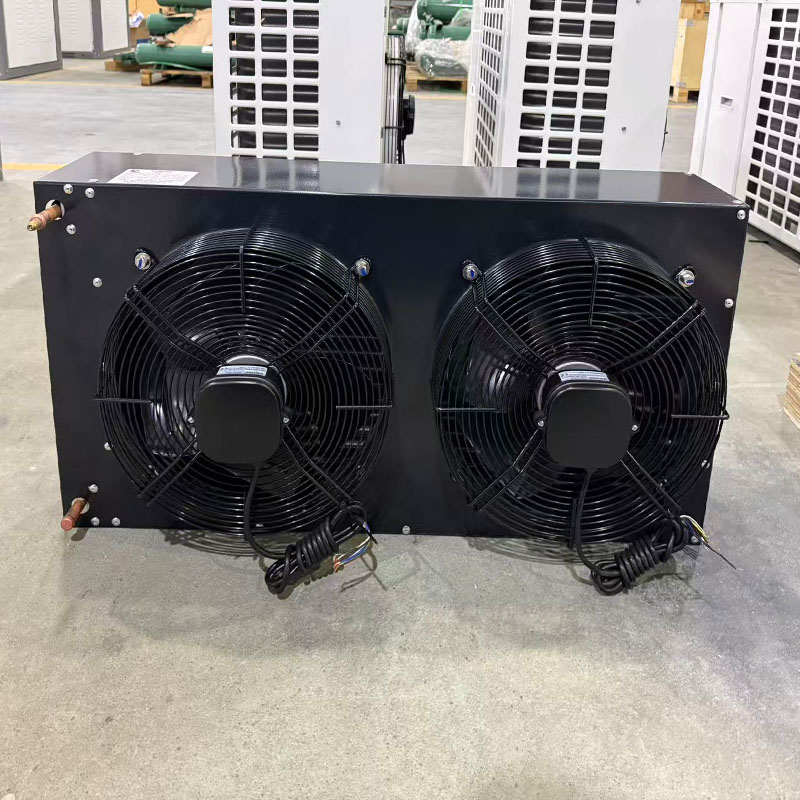
When evaluating the quality of condensers for chiller applications, several key specifications and certifications come into play. First and foremost, assess the condenser's thermal performance, which is often indicated by its efficiency rating. Higher efficiency ratings typically translate to lower operational costs and increased reliability.
Quality materials are essential for durability and performance. Look for condensers made from corrosion-resistant materials, especially if they will be exposed to moisture or harsh chemicals. Additionally, consider the manufacturing processes employed. A reputable manufacturer should have stringent quality control measures in place, including testing for leaks and measuring performance under various operating conditions.
Certifications can also provide assurance of quality. Look for industry standards such as ISO certification or compliance with safety and performance regulations specific to refrigeration equipment. These certifications indicate that the manufacturer adheres to recognized quality management practices and product reliability standards.
Moreover, obtaining samples for testing can help validate performance claims. Using these samples in real-world conditions allows for thorough evaluation of their functionality, ensuring they meet your specific requirements before bulk ordering.
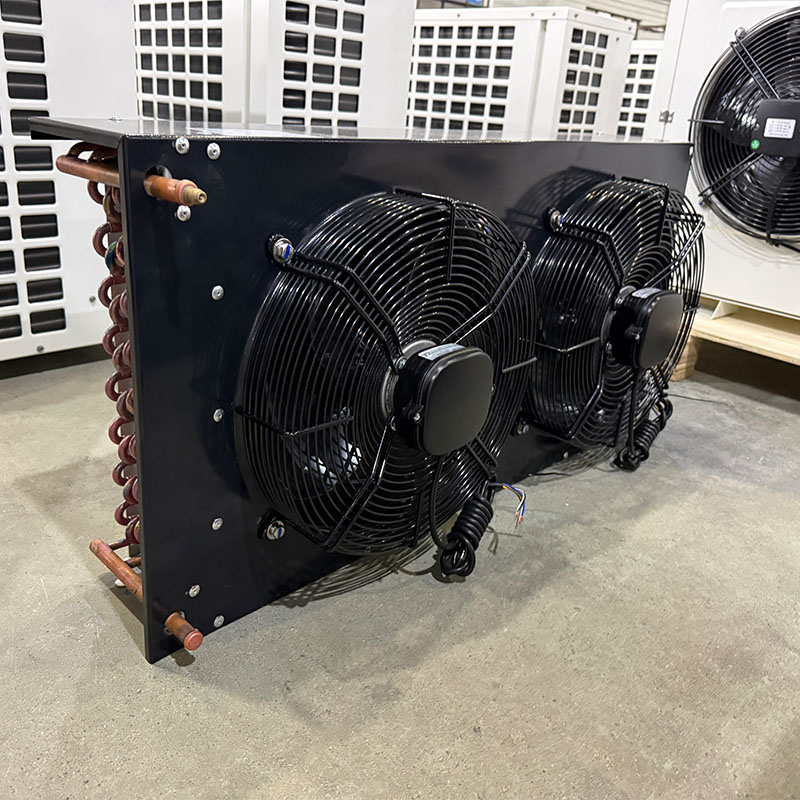
Chiller condensers can experience several common issues, which can significantly affect system performance. One frequent problem is inadequate cooling, often caused by insufficient airflow or a clogged condenser coil. Regular maintenance, including cleaning the coils and ensuring unobstructed airflow, can help mitigate this issue.
Another common issue is refrigerant leaks, which can lead to reduced efficiency and increased operational costs. Implementing regular inspections and using leak detection methods can help identify and address these leaks promptly. Additionally, ensuring proper installation can prevent mechanical failures that may arise from incorrect fitting or alignment.
Corrosion is also a potential problem, particularly in environments with high humidity or chemical exposure. Choosing a condenser with corrosion-resistant materials and protective coatings can extend its lifespan and performance reliability.
Lastly, noise generated by the condenser can be a concern, particularly in residential or noise-sensitive commercial areas. Selecting units designed for quiet operation or implementing sound-dampening measures can address this issue effectively.
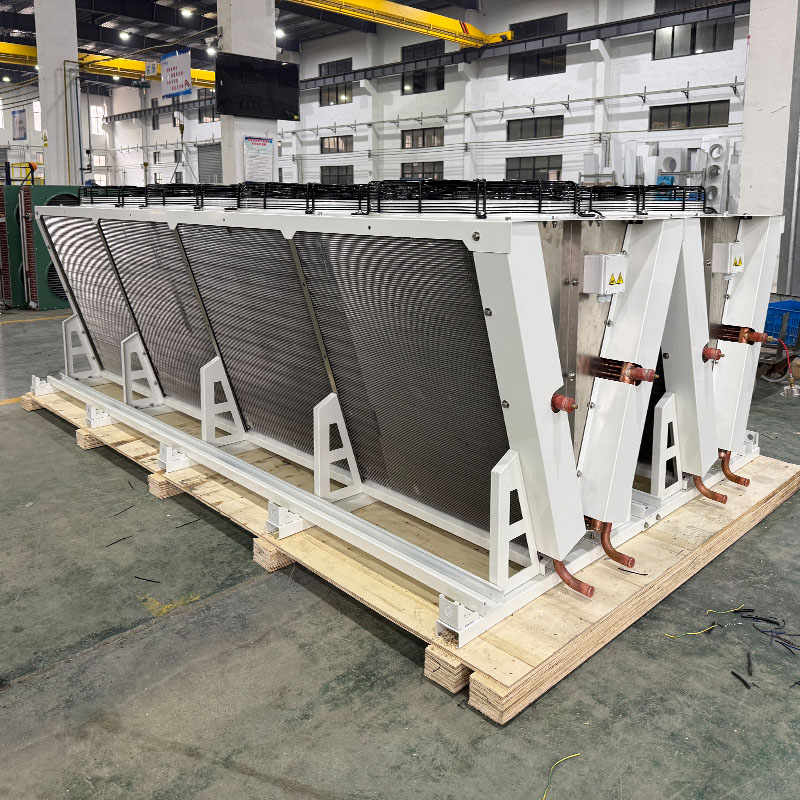
For wholesale buyers considering bulk orders of condensers, several factors should be taken into account to ensure a smooth purchasing process. First, determine your specific requirements, including the type of condenser, desired specifications, and quantities needed. Preparing a detailed request for quotation (RFQ) that outlines these parameters will help suppliers provide accurate pricing and delivery timelines.
Understanding minimum order quantities (MOQs) is also critical. Most manufacturers have set MOQs, which can vary depending on the type of condenser and customization options. Clarifying these details beforehand can prevent misunderstandings and potential delays.
Additionally, inquire about lead times for production and delivery. Suppliers should provide clear timelines to ensure that your project schedules are met. Consideration should also be given to packaging and shipping methods, especially for international orders, as these can impact costs and delivery times.
Lastly, evaluate potential suppliers based on their reputation, manufacturing capabilities, and customer service. Assessing their track record in delivering quality products and support will enhance the likelihood of a successful partnership.
A modern factory space that covers more than 40000 square meters, it is able to meet the vast majority of the EMTH production requirements.
With a full service system, from the formulation of plans, production of Condensing units as well as project landing until after-sales assistance, there's special docking.
With a good name in the industry, with over 3,000+ clients serviced, EMTH EMTH is a trustworthy established supplier that is praised by its clients.
More than 20 years of' experience and an experienced EMTH R&D staff.

Welcome to EMTH, a cold storage refrigeration equipment specialist in China! We offer innovative and effective cold storage solutions, including cold storage, evaporator, condensing unit and ice machine.
Room 304-305B, Building 5, BESHINE B.P, No. 559Zhuyuan Road, Minhang District 201112, Shanghai, China
Copyright © Shanghai EMTH Import & Export Co., Ltd. All Rights Reserved. - Privacy Policy
 EN
 AR
 BG
 HR
 CS
 DA
 NL
 FI
 FR
 DE
 EL
 IT
 JA
 KO
 NO
 PL
 PT
 RO
 RU
 ES
 TL
 IW
 ID
 LT
 SR
 VI
 HU
 TH
 MS
 AZ
 JW
 LO
 MN
 SO
 MY
 KK
 TG
 UZ
 GD
 XH