Chiller condensers and evaporators are essential components in refrigeration systems, playing a crucial role in heat exchange and cooling applications. For B2B buyers, understanding the quality and specifications of these products is vital for ensuring efficient operation and longevity. This article will guide you through evaluating chiller equipment, identifying reliable suppliers, understanding key specifications, installation guidance, and common issues faced in chiller systems, helping you make informed purchasing decisions.
When assessing the quality of chiller condensers and evaporators, several factors must be considered. Firstly, look for products made from high-grade materials, such as copper or aluminum, which ensure optimal heat transfer and durability. Pay attention to the manufacturing processes, particularly the welding and assembly techniques, as these can influence the equipment's reliability under varying operational conditions.
Next, consider the certifications that the equipment holds, as these can be indicators of quality and compliance with industry standards. A reputable supplier should provide documentation to support these claims. Additionally, it’s crucial to evaluate the manufacturer’s quality control processes, including testing procedures for performance and durability, to ensure that the products will meet your operational needs. For instance, suppliers of Refrigeration Accessories often have rigorous standards in place.
Lastly, inquire about the supplier's experience in the industry. A manufacturer with over 20 years of experience, like Shanghai EMTH, is likely to have encountered and addressed a variety of challenges, resulting in a well-refined production process that yields high-quality products.
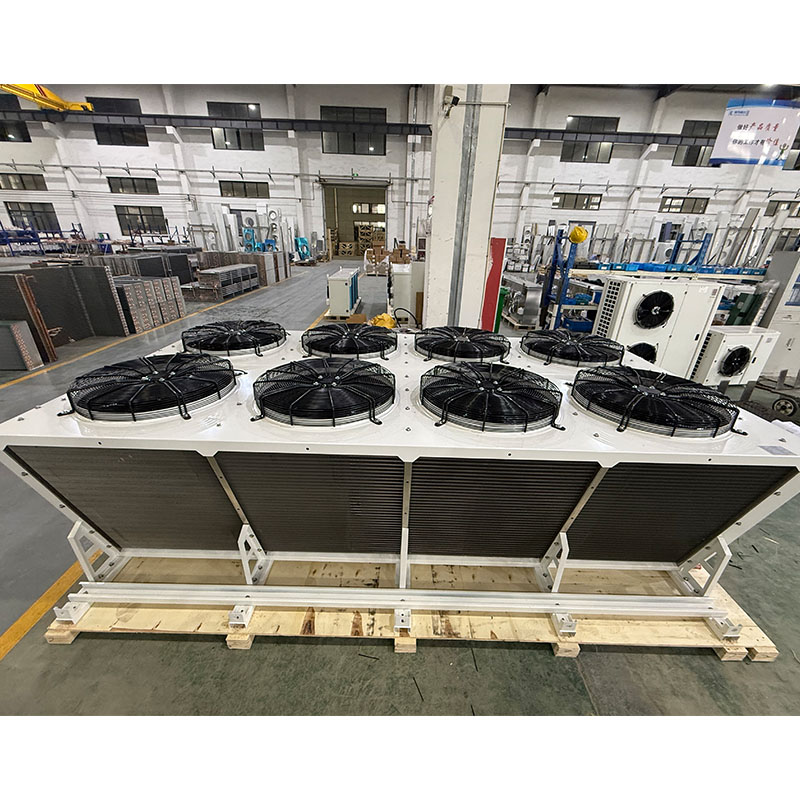
Finding a reliable supplier for chiller condensers and evaporators is a key step in ensuring successful project execution. Start by seeking manufacturers with a solid reputation and proven track record in the industry. Look for companies that have been in business for several years and have multiple patents, indicating a commitment to innovation and quality.
Additionally, assess the supplier's capacity to meet your specific requirements, including customization options and production capabilities. For instance, Shanghai EMTH specializes in providing tailored solutions, which can be beneficial if your project has unique specifications, including options for Evaporators.
Furthermore, consider the supplier's export experience and ability to service different markets. A supplier with international experience can offer insights into global standards and compliance requirements, which is particularly important for projects with strict regulatory demands.
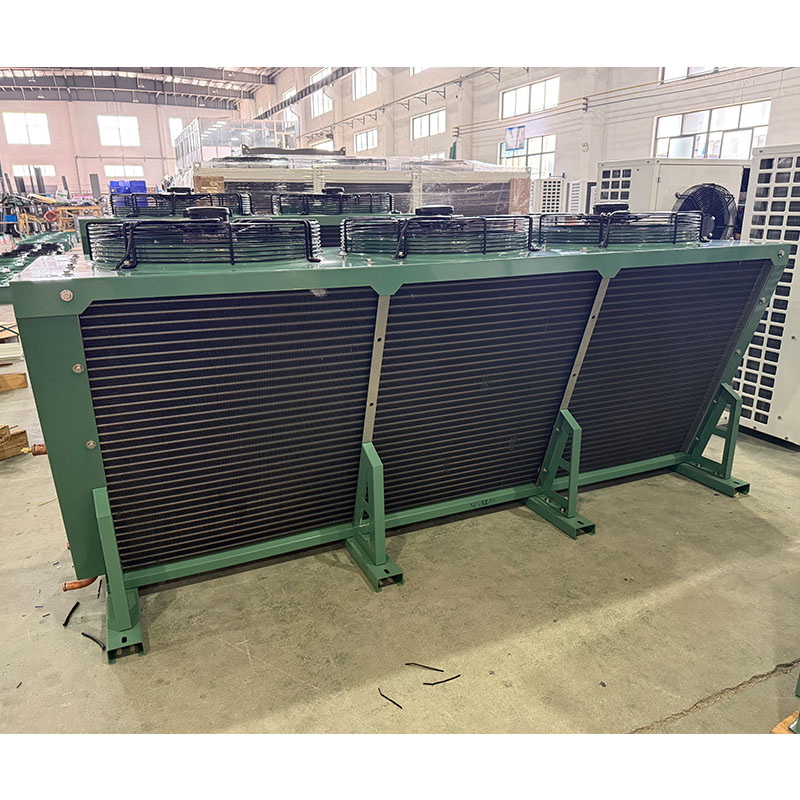
When evaluating chiller condensers and evaporators, several key specifications should not be overlooked.
Dimensions and Size: Ensure that the dimensions align with your project requirements, as improper sizing can lead to inefficiencies or operational failures.
Heat Transfer Efficiency: Look for specifications that indicate high thermal conductivity, which is essential for effective cooling. The design and material of the heat exchange surface significantly affect this efficiency.
Pressure Ratings: Verify the pressure ratings of the condensers and evaporators to ensure they can withstand the operational pressures of your system without risk of failure.
Operating Temperature Range: Consider the temperature conditions in which the equipment will operate. The appropriate temperature range can impact the selection of materials and design.
Corrosion Resistance: If your application involves exposure to harsh environments, choose equipment that offers resistance to corrosion, ensuring longevity and reliability.
These specifications should be thoroughly reviewed and matched to your project needs to avoid future complications.
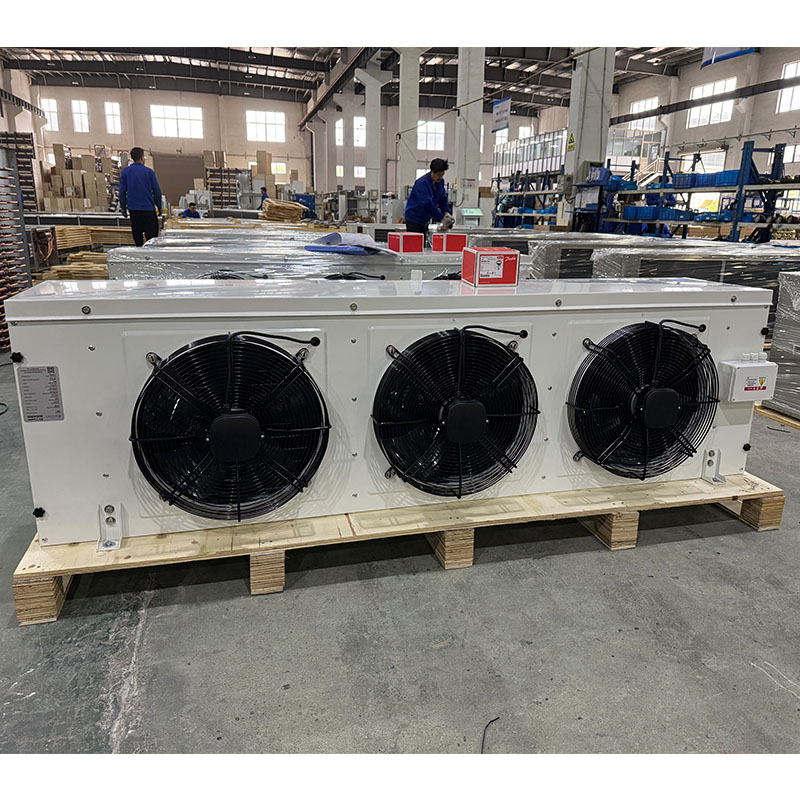
Proper installation is critical for the effective performance of chiller condensers and evaporators. Before installation, review the manufacturer's guidelines and ensure that all components are compatible with the existing systems. It’s advisable to work with experienced technicians familiar with refrigeration systems to avoid common installation pitfalls.
Ensure that the installation area is adequate, considering clearance for airflow and maintenance access. Additionally, proper insulation of pipes and connections can prevent energy loss and enhance system efficiency.
During the installation process, verify that all connections are secure and leak-free. A pressure test should be conducted post-installation to confirm the integrity of the system before it becomes operational. This step is essential to prevent future operational issues and ensure safety.
EMTH EMTH has a track record in the field with over 3,000+ happy customers.
Complete service program, from formulating of plans, production of Cold room as well as project landing until after-sales service, there are specific docking.
More than 20 years of of experience and a professional R&D EMTH staff.
A modern factory of over 40,000 square meters is available to fulfill the majority of EMTH demands for production.

Welcome to EMTH, a cold storage refrigeration equipment specialist in China! We offer innovative and effective cold storage solutions, including cold storage, evaporator, condensing unit and ice machine.
Room 304-305B, Building 5, BESHINE B.P, No. 559Zhuyuan Road, Minhang District 201112, Shanghai, China
Copyright © Shanghai EMTH Import & Export Co., Ltd. All Rights Reserved. - Privacy Policy
 EN
 AR
 BG
 HR
 CS
 DA
 NL
 FI
 FR
 DE
 EL
 IT
 JA
 KO
 NO
 PL
 PT
 RO
 RU
 ES
 TL
 IW
 ID
 LT
 SR
 VI
 HU
 TH
 MS
 AZ
 JW
 LO
 MN
 SO
 MY
 KK
 TG
 UZ
 GD
 XH