Chiller condenser evaporators are essential components in refrigeration systems, playing a crucial role in the cooling process for various applications, including industrial, commercial, and cold storage settings. As a B2B buyer, your primary concerns likely revolve around product quality, efficiency, installation, and cost-effectiveness. This article will provide detailed insights into bulk ordering, quality control, installation guidance, common issues, and cost factors related to chiller condenser evaporators, helping you make informed purchasing decisions.
When considering bulk orders for chiller condenser evaporator units, buyers should first evaluate their specific needs in terms of capacity and application. Manufacturers often have minimum order quantities (MOQs) that can affect pricing and availability. For example, Shanghai EMTH, with over 20 years of manufacturing experience, can accommodate bulk orders while offering competitive pricing and tailored solutions. Additionally, buyers may want to consider the Bitzer Condensing Unit for reliable performance in various refrigeration scenarios.
Customization is another vital factor. Buyers should discuss their requirements, such as specific dimensions, materials, and performance specifications. This ensures that the product meets operational demands. Additionally, understanding lead times is crucial, as bulk orders may require extended production schedules, especially if customizations are involved. Establishing clear communication with the manufacturer during this phase can lead to a smoother procurement process.
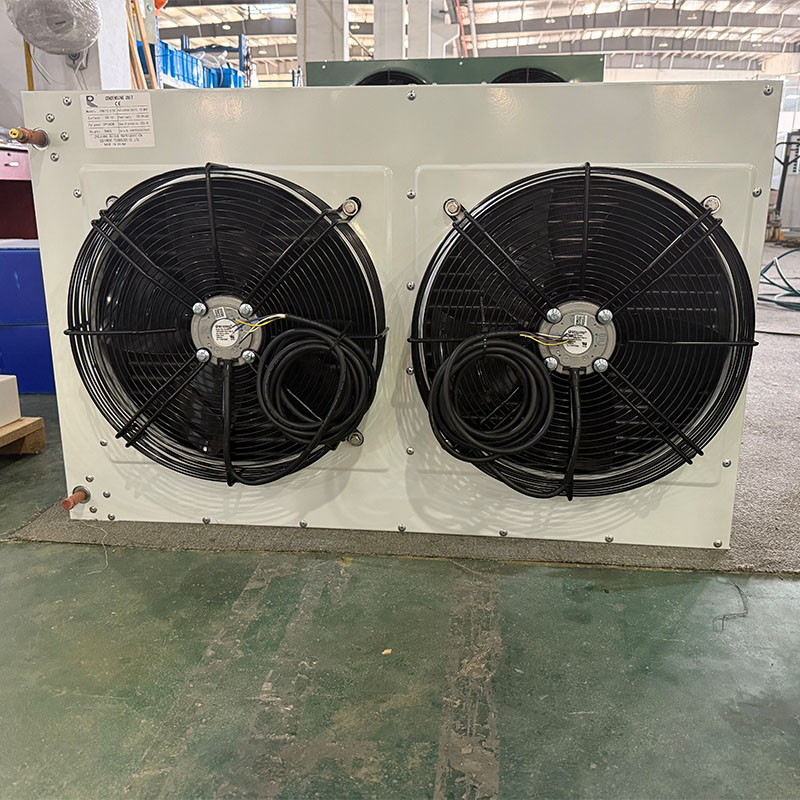
Quality control is paramount in the manufacturing of chiller condenser evaporators, affecting both performance and longevity. Effective quality assurance standards should be in place throughout the production process. This includes material selection, where manufacturers must choose appropriate materials that withstand varying temperatures and pressures without compromising structural integrity.
At Shanghai EMTH, quality control checkpoints are implemented at different stages of production, including raw material inspection, in-process checks, and final product testing. Buyers should inquire about the manufacturer’s quality assurance processes and any relevant certifications that signify compliance with industry standards. Additionally, testing the product under actual operating conditions before mass production can help prevent potential issues and ensure optimal performance.
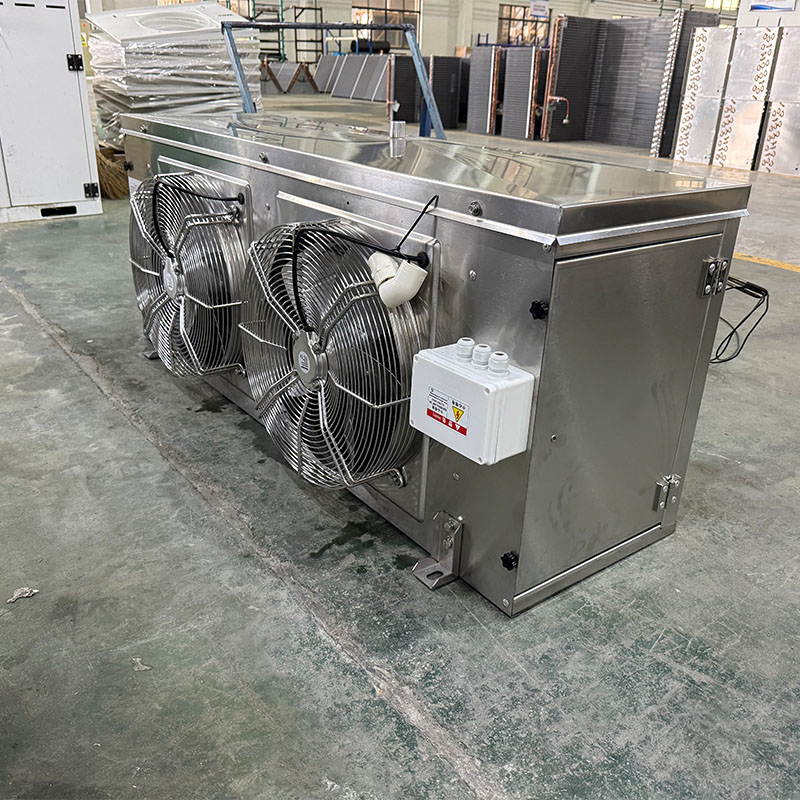
Proper installation is critical for the effective operation of chiller condenser evaporators. To ensure efficiency, buyers should consider the following factors:
Site Preparation: The installation site should be adequately prepared, with considerations for space, ventilation, and accessibility for maintenance. It’s advisable to consult with the manufacturer to understand any specific installation requirements.
Component Compatibility: Ensure that the evaporator is compatible with existing refrigeration equipment. Misalignment or incompatibility can lead to reduced efficiency and increased energy consumption. For instance, if you opt for an H Type Condensing Unit, ensure that it integrates smoothly with your current systems.
Professional Installation: Employing qualified technicians for installation can help mitigate common issues. They can ensure that connections are secure and that the system is charged correctly with refrigerant. Additionally, they should verify that all components are functioning as intended before commissioning the system.
Operational Testing: After installation, conduct comprehensive testing to confirm that the unit operates within the specified parameters. This includes checking for any unusual noises, vibrations, or leaks.
Providing clear installation guidelines from the manufacturer can enhance the buyer’s confidence and ensure a successful deployment.
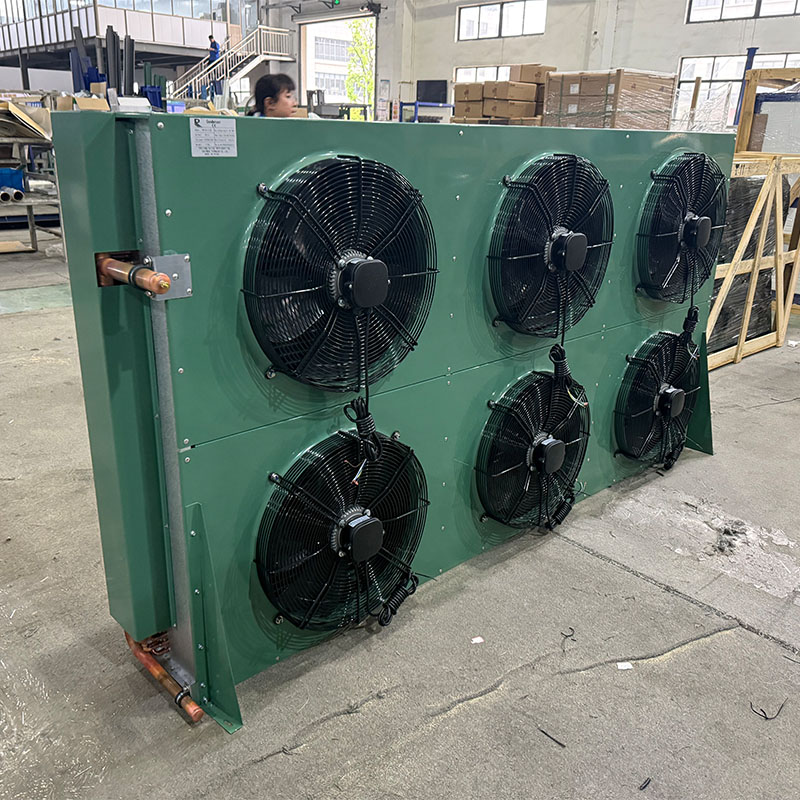
Buyers should be aware of potential issues that may arise with chiller condenser evaporators. Here are some common problems and their corresponding solutions:
Inadequate Cooling Capacity: This can occur if the unit is undersized for the application. Buyers should ensure that the evaporator is properly sized based on the specific cooling load requirements.
Fouling and Blockages: Dust and debris can accumulate, impacting airflow and efficiency. Regular maintenance, including cleaning and inspections, is essential to prevent fouling. Buyers should establish a maintenance schedule to address this.
Refrigerant Leaks: Leaks can significantly reduce efficiency and lead to system failures. Regular checks for refrigerant levels and pressure can help identify leaks early. If a leak is detected, prompt repairs are necessary to avoid further complications.
Electrical Failures: Issues with electrical components can lead to system shutdowns. Ensuring that electrical connections are secure and that the electrical system is compatible with the evaporator can help mitigate these risks.
By understanding these common issues, buyers can proactively address them, ensuring efficient operation and reducing downtime.
Complete service program, from formulating of plans to the production and Cooling room, to after-sales service, there are specific docking.
A modern factory of over 40,000 square meters is available to fulfill the majority of EMTH demands for production.
More than 20 years of of experience and a professional R&D EMTH staff.
With a strong name in the industry, and over 3,000+ clients served, EMTH EMTH is a trustworthy and reliable supplier who has been recognized by other customers.

Welcome to EMTH, a cold storage refrigeration equipment specialist in China! We offer innovative and effective cold storage solutions, including cold storage, evaporator, condensing unit and ice machine.
Room 304-305B, Building 5, BESHINE B.P, No. 559Zhuyuan Road, Minhang District 201112, Shanghai, China
Copyright © Shanghai EMTH Import & Export Co., Ltd. All Rights Reserved. - Privacy Policy
 EN
 AR
 BG
 HR
 CS
 DA
 NL
 FI
 FR
 DE
 EL
 IT
 JA
 KO
 NO
 PL
 PT
 RO
 RU
 ES
 TL
 IW
 ID
 LT
 SR
 VI
 HU
 TH
 MS
 AZ
 JW
 LO
 MN
 SO
 MY
 KK
 TG
 UZ
 GD
 XH