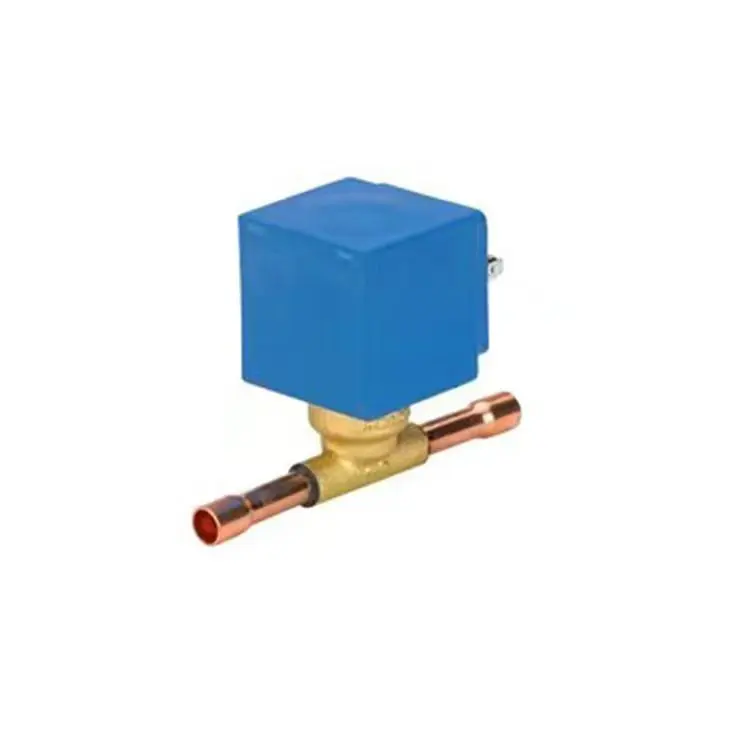
When it comes to ensuring the preservation of perishable goods, a blast freezer air cooler is an invaluable asset for businesses in various sectors. This equipment is designed to quickly reduce the temperature of products, locking in freshness and quality. As a purchasing manager or distributor, your primary concerns will likely revolve around efficiency, reliability, and overall operational costs. This article will guide you through essential considerations when selecting a blast freezer air cooler, helping you make informed decisions for your business needs. Additionally, understanding the components like the Bitzer Condensing Unit can enhance your overall efficiency.
Selecting the right blast freezer air cooler involves understanding your specific requirements. Key considerations should include the volume of goods you need to freeze, the temperature range required, and the available space in your facility. Additionally, consider the energy efficiency of the unit, as this will directly impact your operational costs. Look for features such as adjustable temperature settings and robust insulation, which can enhance performance and energy savings. Customization options may also be available, allowing you to tailor the unit to your specific operational needs. Always assess the intended application—whether for food, pharmaceuticals, or other perishables—as each may have unique requirements that influence your choice.
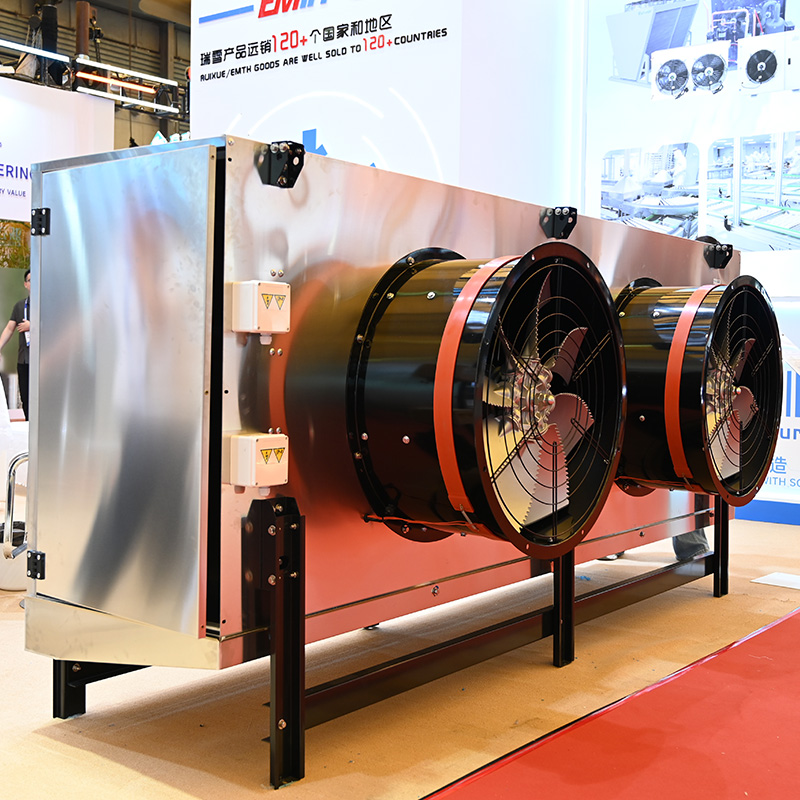
When evaluating blast freezer air coolers, several specifications are crucial for ensuring quality and performance.
Cooling Capacity: Measured in BTUs or kilowatts, this indicates how quickly the unit can lower the temperature. Ensure the cooling capacity aligns with your production volume and desired freezing time.
Temperature Range: The unit should operate effectively within the range needed for your products. Verify that it can achieve the necessary low temperatures without fluctuations that could compromise product integrity.
Compressor Type: The compressor is the heart of the cooling system. Options include scroll, reciprocating, and screw compressors, each offering different advantages in terms of efficiency, noise levels, and reliability. For example, a Compressor for Refrigeration Tools and Equipment may be ideal for specific applications.
Construction Materials: Stainless steel is commonly preferred for its durability and ease of cleaning, particularly in food applications. Ensure the materials are appropriate for the intended environment and any potential exposure to chemicals or moisture.
Energy Efficiency Ratings: Look for units with high energy efficiency ratings, as this can lead to significant cost savings over time. Check for certifications such as ENERGY STAR or equivalent.
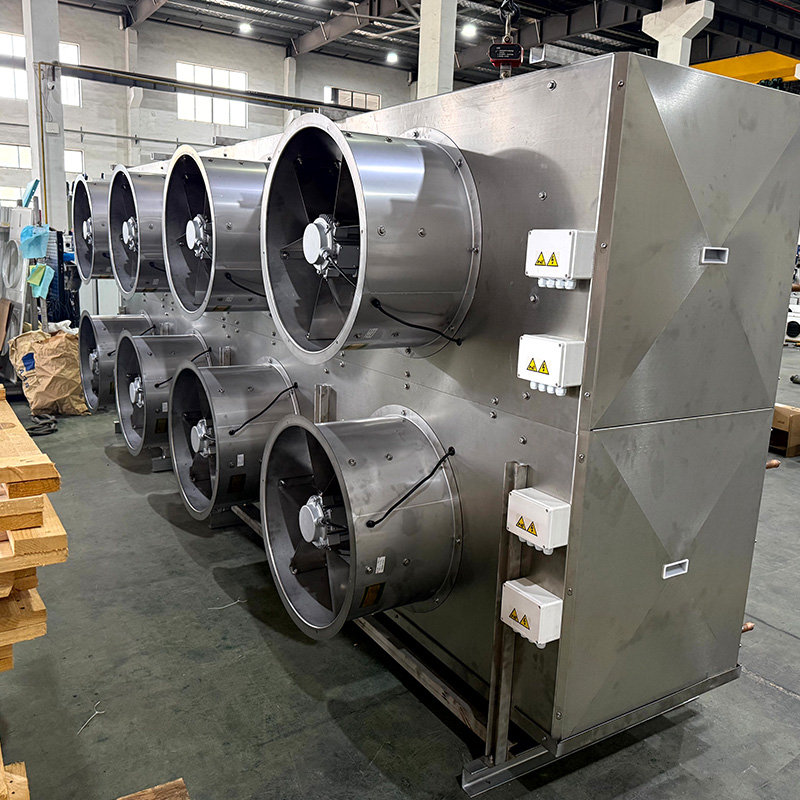
When comparing suppliers for blast freezer air coolers, consider their manufacturing capabilities and reputation in the industry. A supplier with over 20 years of experience, like Shanghai EMTH, often has established quality control processes and a better understanding of industry standards.
Request information about their production equipment and technologies to ensure they can meet your specifications. Additionally, inquire about customization capabilities; a flexible supplier can adapt their products to meet your unique requirements. An example of a customizable solution is the YH Type Condenser, which can be tailored for various operational needs.
Evaluate customer support and warranty offerings, as these can significantly impact your experience post-purchase. A reliable supplier should provide ongoing technical support and maintenance services to ensure optimal performance of your equipment.
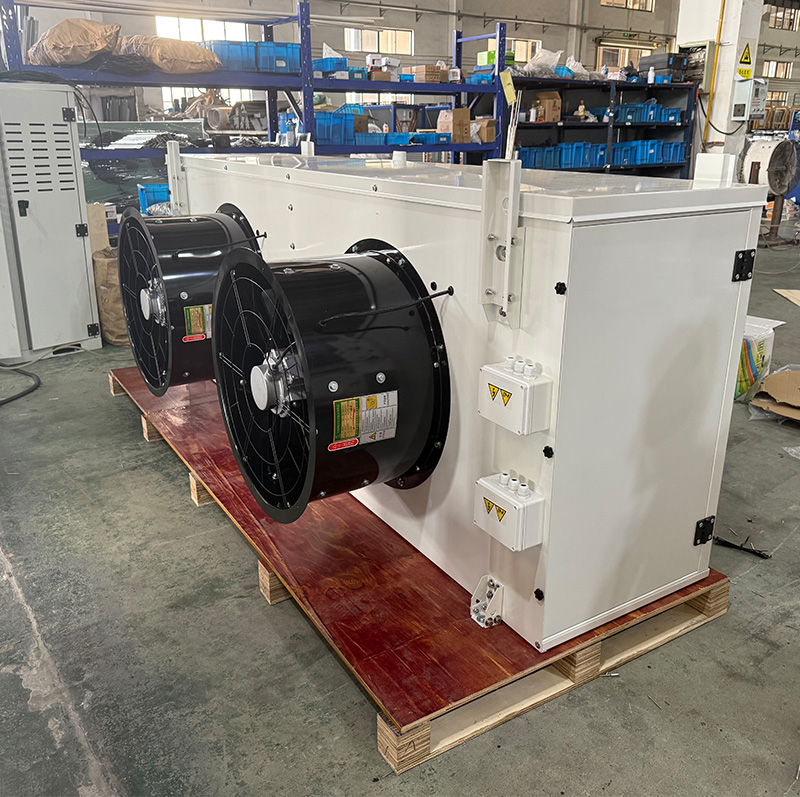
Cost is a critical factor when purchasing a blast freezer air cooler, but it goes beyond the initial purchase price. Consider the following:
Total Cost of Ownership: This includes installation, maintenance, energy consumption, and potential repairs over the equipment's lifespan. Energy-efficient models may have a higher upfront cost but can lead to savings in operating expenses.
Lead Time and Shipping Costs: Understand the supplier's lead time for production and delivery. Additionally, factor in shipping costs, especially if you are ordering from overseas.
Customization Costs: If you require specific modifications, ensure you understand how these will affect the overall price. Request detailed quotes that break down costs for transparency.
Financing Options: Some suppliers may offer financing plans or leasing options, which can help manage cash flow while acquiring the necessary equipment.
Special docking is offered for a complete service. This includes the design of Coldrooms, production installation, landing projects, and after-sales support.
With a strong reputation in the business and over 3,000+ clients that they have served, EMTH EMTH is a trustworthy, proven supplier that has been acknowledged by other clients.
More than 20 years of' experience and an experienced EMTH R&D staff.
The modern factory has an area greater than 40,000 square meters, to satisfy the majority of the EMTH production requirements.

Welcome to EMTH, a cold storage refrigeration equipment specialist in China! We offer innovative and effective cold storage solutions, including cold storage, evaporator, condensing unit and ice machine.
Room 304-305B, Building 5, BESHINE B.P, No. 559Zhuyuan Road, Minhang District 201112, Shanghai, China
Copyright © Shanghai EMTH Import & Export Co., Ltd. All Rights Reserved. - Privacy Policy
 EN
 AR
 BG
 HR
 CS
 DA
 NL
 FI
 FR
 DE
 EL
 IT
 JA
 KO
 NO
 PL
 PT
 RO
 RU
 ES
 TL
 IW
 ID
 LT
 SR
 VI
 HU
 TH
 MS
 AZ
 JW
 LO
 MN
 SO
 MY
 KK
 TG
 UZ
 GD
 XH