Choosing the right cooling unit for your walk-in cooler is essential for maintaining the optimal conditions for perishable goods. With the right cooling unit, you can ensure that your products remain fresh and safe for consumption. , we will address the primary concerns of B2B buyers, including specifications, sourcing, common issues, and applications related to cooling units for walk-in coolers. This comprehensive guide will help you make informed decisions when selecting a cooling unit that meets your operational needs.
When selecting a cooling unit for your walk-in cooler, consider the following factors:
Cooling Capacity: The cooling capacity, measured in British Thermal Units (BTUs), is critical. It should align with the volume of your cooler and the expected heat load. An undersized unit may struggle to maintain temperature, while an oversized unit can lead to excessive cycling and energy waste.
Energy Efficiency: Look for units with high energy efficiency ratings, such as those certified by ENERGY STAR. Higher efficiency can lead to lower operational costs over time.
Type of Refrigerant: Different refrigerants have varying environmental impacts and efficiency levels. R-410A is commonly used for its efficiency and lower environmental impact compared to older refrigerants.
Installation Requirements: Consider the space available for installation, including clearance for maintenance access. Ensure that the unit's dimensions will fit the designated area without compromising airflow or serviceability.
Customization Options: Depending on your specific needs, you may want a unit that can be customized. This can include tailored cooling capacity, additional features like digital thermostats, or varying fan speeds. For example, you might consider a H Type Condensing Units for enhanced performance.
By evaluating these factors, you can choose a cooling unit that effectively meets the demands of your walk-in cooler.
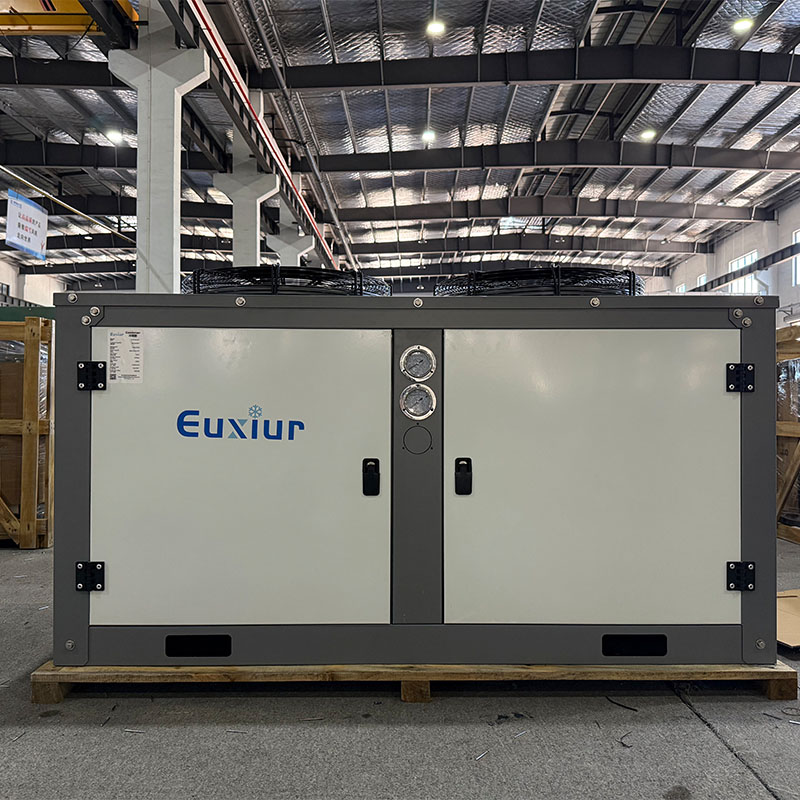
When sourcing cooling units, there are several key specifications to consider:
Dimensions: The physical size of the unit impacts installation and airflow. Ensure that you have accurate measurements of your walk-in cooler space.
Cooling Capacity: This specification is crucial and should be chosen based on the size of the cooler and the types of products stored. Always refer to the manufacturer’s guidelines for optimal BTU requirements.
Material Choices: The materials used in the construction of the cooling unit can affect durability and performance. Stainless steel and high-grade plastics can provide longevity and resistance to corrosion.
Voltage and Power Requirements: Confirm the electrical specifications of your facility align with the unit. Incorrect voltage can lead to inefficient operation or damage.
Certifications and Compliance: Ensure the unit complies with relevant safety and environmental standards, such as UL certification or EPA regulations. For instance, Bitzer Condensing Unit is known for its compliance with these standards.
By focusing on these specifications, you can avoid common pitfalls and ensure the cooling unit you choose will perform effectively in your specific application.
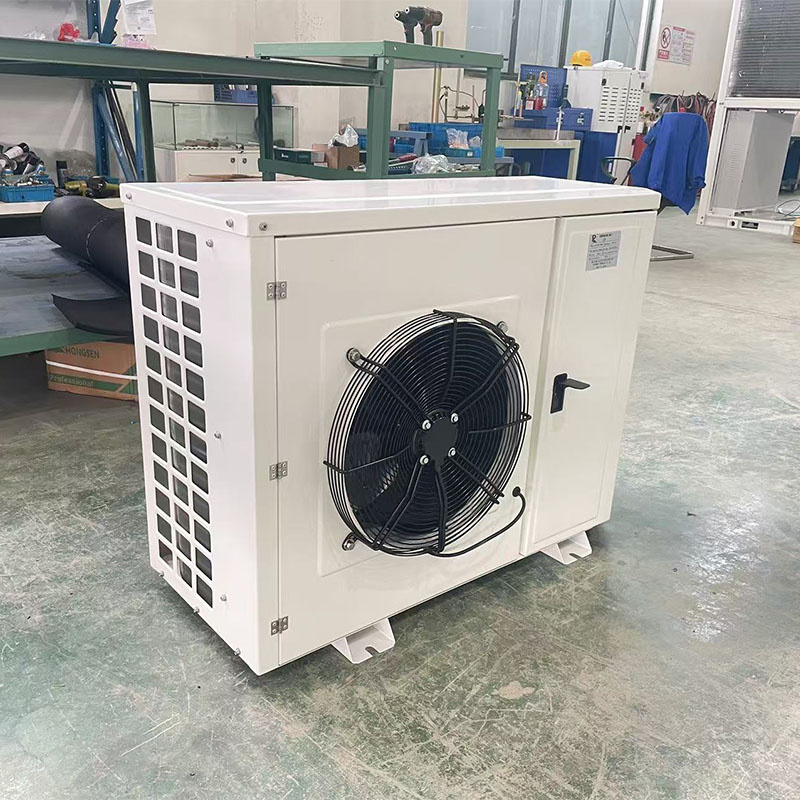
Finding a trustworthy supplier is vital for sourcing quality cooling units. Start by considering the following methods:
Industry Associations and Trade Shows: Attending industry events can connect you with reputable manufacturers and suppliers. This allows you to see products firsthand and evaluate their capabilities.
Online Marketplaces and Directories: Websites like ThomasNet or Alibaba can provide access to a wide range of suppliers. Make sure to check reviews and ratings to gauge reliability.
Networking with Industry Peers: Engaging with other professionals in your field can yield recommendations for suppliers with a proven track record in providing cooling units.
Manufacturer Websites: Directly visiting the websites of established manufacturers can provide insights into their product offerings, certifications, and customer support services.
Requesting Samples and References: Before finalizing a supplier, request product samples and customer references to evaluate quality and service reliability.
Taking the time to research and connect with reputable suppliers can significantly impact your purchasing decision.
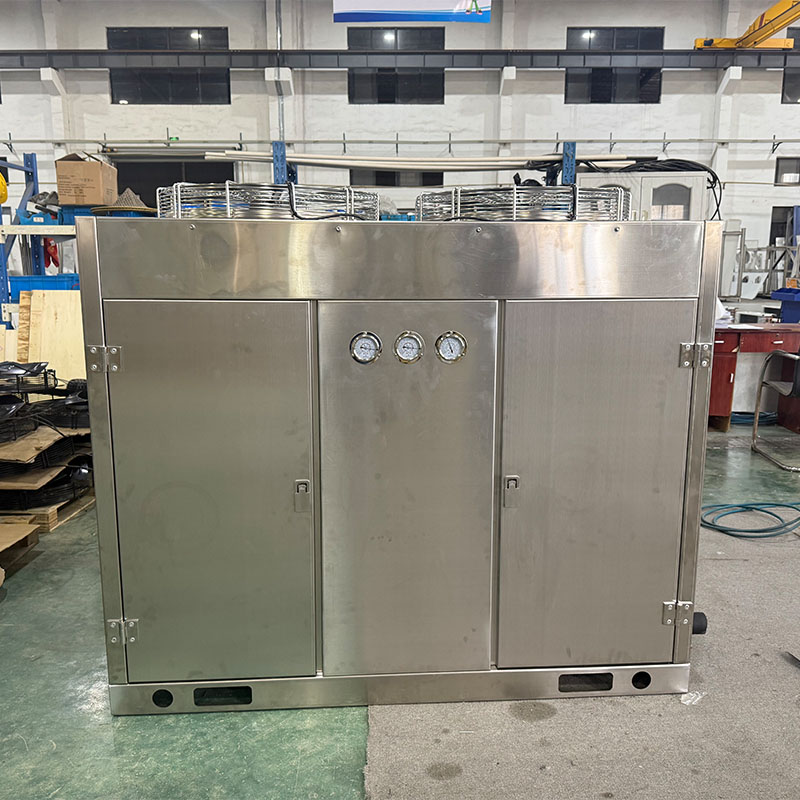
Understanding common issues with cooling units can help you anticipate and address problems before they escalate. Here are several frequent challenges:
Insufficient Cooling: If your cooler isn't maintaining temperature, check the cooling capacity against your heat load calculations. Ensure that the unit is not blocked and that its airflow is unobstructed.
Frost Build-Up: Excessive frost can hinder performance. This often results from high humidity, poor airflow, or faulty defrost settings. Regular maintenance and checking the defrost cycle can mitigate this issue.
Noise Issues: Unusual noises can indicate mechanical problems or loose components. Regular inspections and maintenance can help identify and resolve these concerns early.
Energy Efficiency Decline: Over time, units may become less efficient. Regular cleaning of coils and filters, along with timely professional servicing, can enhance energy efficiency.
Leakage: Refrigerant leaks can occur due to wear and tear. Regular inspections and maintenance can help identify leaks early before they lead to significant performance issues.
Being proactive in addressing these common problems can enhance the lifespan and performance of your cooling unit.
With more than 20 years of knowledge, we've developed a a complete production and sales and after-sales process with more than 20 patent certificates and a skilled R&D EMTH team.
With a great reputation in the business and over 3,000+ clients that they have served, EMTH EMTH is a trustworthy established supplier that is praised by its clients.
Special docking is offered for a complete service. This includes the design of Commercial ice maker, production installation, landing projects, and after-sales support.
A modern plant of over 40000 square meters is in place to meet the majority Ice maker for under counter demands for production.

Welcome to EMTH, a cold storage refrigeration equipment specialist in China! We offer innovative and effective cold storage solutions, including cold storage, evaporator, condensing unit and ice machine.
Room 304-305B, Building 5, BESHINE B.P, No. 559Zhuyuan Road, Minhang District 201112, Shanghai, China
Copyright © Shanghai EMTH Import & Export Co., Ltd. All Rights Reserved. - Privacy Policy
 EN
 AR
 BG
 HR
 CS
 DA
 NL
 FI
 FR
 DE
 EL
 IT
 JA
 KO
 NO
 PL
 PT
 RO
 RU
 ES
 TL
 IW
 ID
 LT
 SR
 VI
 HU
 TH
 MS
 AZ
 JW
 LO
 MN
 SO
 MY
 KK
 TG
 UZ
 GD
 XH