Choosing the right condenser unit for walk-in coolers is essential for maintaining the ideal temperature and humidity levels in refrigerated spaces. These units are crucial for businesses in the foodservice, pharmaceutical, and grocery sectors, as they help preserve the quality of perishable goods. This article will address the main concerns of purchasing managers and engineers, focusing on product specifications, cost factors, installation challenges, and supplier evaluation. By understanding these aspects, you can make informed decisions and ensure efficient operation for your cold storage needs.
Finding a trustworthy supplier for condenser units designed for walk-in coolers involves evaluating several factors. Start by researching manufacturers with extensive experience in refrigeration equipment, such as Shanghai EMTH, which has over 20 years in the industry and numerous patents. Look for suppliers that provide detailed product specifications on their websites, indicating transparency and reliability.
Additionally, consider suppliers that offer comprehensive services, such as custom solutions tailored to specific applications. This can help ensure that the condenser units meet your unique requirements, enhancing operational efficiency. Engage with industry associations or trade shows to connect with reputable suppliers, and seek testimonials from other businesses to assess their reliability and service quality.
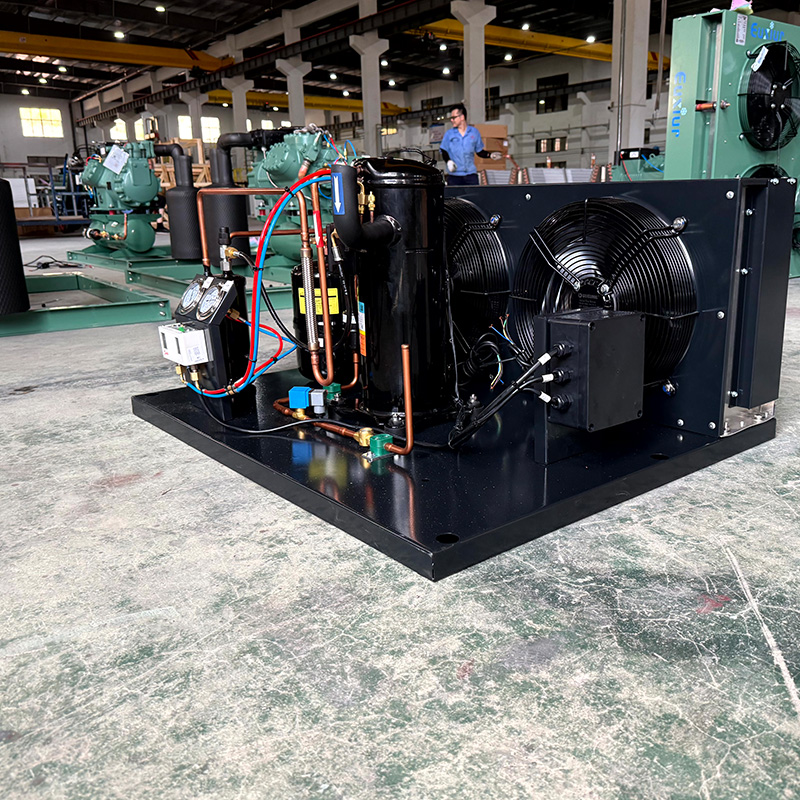
When selecting a condenser unit for a walk-in cooler, several key specifications must be taken into account:
Cooling Capacity: Measured in BTUs, this indicates the amount of heat the unit can remove from the cooler. Ensure the capacity matches your cooler's size and the load requirements of the products stored.
Refrigerant Type: Different refrigerants have varying environmental impacts and efficiencies. Confirm which refrigerants are compatible with local regulations and your operational needs.
Compressor Type: Common options include reciprocating and scroll compressors. The choice affects efficiency, noise levels, and maintenance requirements, so select one based on your operational priorities.
Power Supply: Ensure that the condenser unit’s voltage and phase match your facility’s electrical system to avoid compatibility issues.
Material Quality: Robust materials, such as stainless steel or corrosion-resistant coatings, are essential for durability, especially in environments with high humidity.
Understanding these specifications helps in selecting a unit that optimally fits your operational requirements, reduces energy consumption, and extends the lifespan of the equipment. Additionally, consider incorporating other refrigeration accessories that may enhance the performance and efficiency of your cooling system.
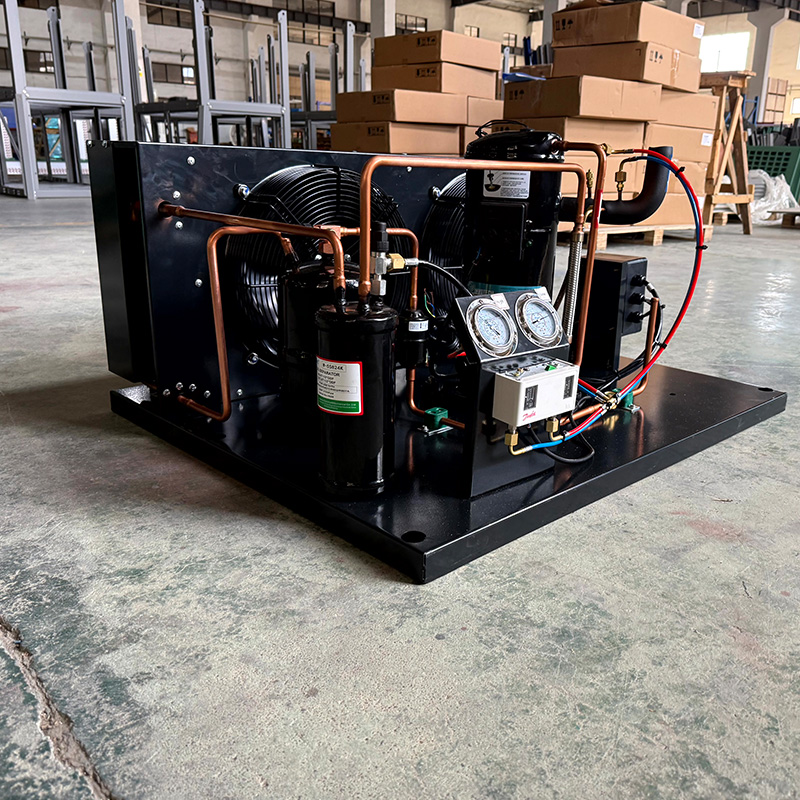
When planning a bulk order of condenser units, several cost factors must be considered:
Unit Price: The base price of each unit can vary widely based on specifications, features, and supplier reputation. Obtain multiple quotes to compare pricing effectively.
Shipping Costs: Bulk orders may qualify for reduced shipping rates, but it's essential to factor in logistics costs, especially for international shipments.
Import Duties and Taxes: If sourcing from abroad, understand the import duties that may apply to your order, as these can significantly affect total costs.
Customization Fees: If you require specific modifications or additional features, confirm whether the supplier charges extra for these customizations.
Long-Term Value: Consider the total cost of ownership, including energy efficiency ratings and maintenance requirements. A higher upfront cost may result in lower operational expenses over time.
By analyzing these factors, you can make a more informed purchasing decision that aligns with your budget and operational needs.
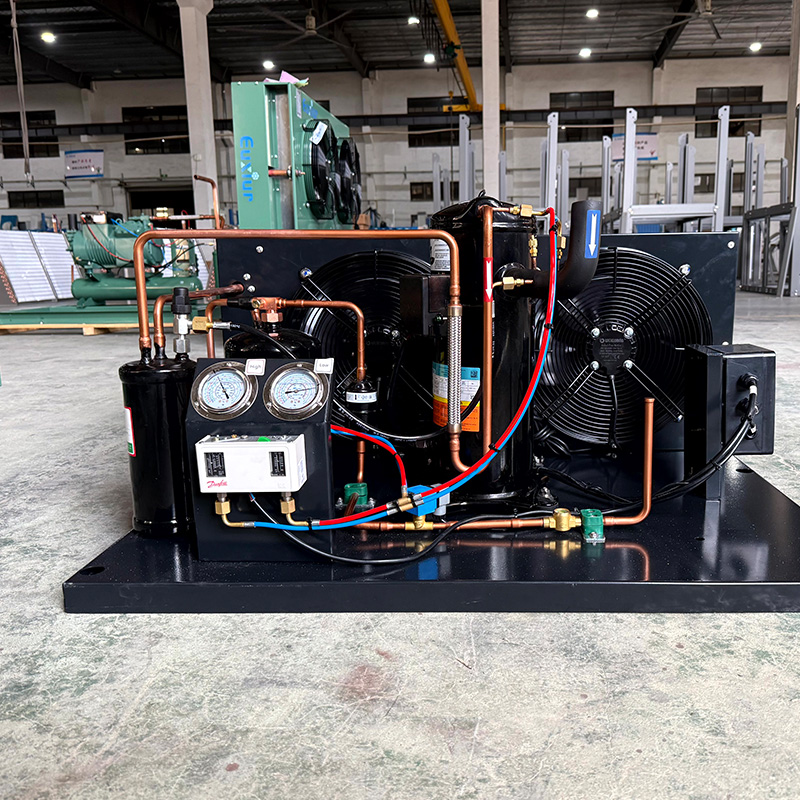
Installing condenser units for walk-in coolers can present several challenges:
Space Constraints: Ensure that the selected unit fits within the designated installation area. Insufficient space may lead to inadequate airflow, affecting performance and efficiency.
Incorrect Electrical Connections: Installation errors related to electrical connections can lead to equipment failure. It's crucial to have a qualified technician perform the installation to ensure compliance with local electrical codes.
Poor Airflow Circulation: Improper placement of the condenser unit can hinder airflow, causing inefficient cooling and increased energy consumption. Ensure that the unit is installed in a location that allows for optimal airflow.
Insufficient Insulation: If the installation area lacks proper insulation, it may affect the unit's efficiency. Check insulation levels in the cooler to maintain stable temperatures.
Lack of Maintenance Access: Ensure that adequate space is available around the unit for future maintenance and service, which can prevent operational downtime.
Addressing these common installation problems upfront can help ensure that your condenser unit operates effectively and efficiently.
Special docking is available for a complete system of service. It includes creation of plans, Axial fans, landing plans, and after-sales support.
Over 20 years of experience, we have the complete sales and after-sales systems with more than 20 patents and a professional R&D EMTH team.
A modern plant of over 4000 square meters is in operation to meet the majority Ice maker for commercial production requirements.
EMTH EMTH has a track record in the field with over 3,000+ happy customers.

Welcome to EMTH, a cold storage refrigeration equipment specialist in China! We offer innovative and effective cold storage solutions, including cold storage, evaporator, condensing unit and ice machine.
Room 304-305B, Building 5, BESHINE B.P, No. 559Zhuyuan Road, Minhang District 201112, Shanghai, China
Copyright © Shanghai EMTH Import & Export Co., Ltd. All Rights Reserved. - Privacy Policy
 EN
 AR
 BG
 HR
 CS
 DA
 NL
 FI
 FR
 DE
 EL
 IT
 JA
 KO
 NO
 PL
 PT
 RO
 RU
 ES
 TL
 IW
 ID
 LT
 SR
 VI
 HU
 TH
 MS
 AZ
 JW
 LO
 MN
 SO
 MY
 KK
 TG
 UZ
 GD
 XH