Chiller evaporators and condensers are critical components in refrigeration systems, playing a vital role in temperature control across various industrial applications. As a B2B buyer, understanding the intricacies of these systems can significantly influence your purchasing decisions, especially regarding efficiency, compatibility, and overall cost-effectiveness. This article will guide you through selecting the right chiller evaporator and condenser, sourcing reliable suppliers, understanding cost factors, exploring applications across industries, and recognizing how material quality impacts performance.
Selecting the appropriate chiller evaporator and condenser begins with understanding your specific requirements. Key factors to consider include the application environment, cooling capacity, and energy efficiency.
Cooling Capacity: Evaluate the required cooling load for your specific application. Chiller systems are rated based on their cooling capacity, typically measured in tons or BTUs. Ensure that the selected evaporator and condenser can handle your operational demands efficiently. For example, you might consider the Bitzer Condensing Unit for its robust performance.
Energy Efficiency: Look for equipment with higher energy efficiency ratings, such as EER (Energy Efficiency Ratio) or COP (Coefficient of Performance). These metrics indicate how effectively the system converts energy into cooling. Higher efficiency can translate to reduced operational costs.
Compatibility: Ensure that the dimensions and specifications of the evaporator and condenser align with your existing setup. Consider factors such as refrigerant type, pressure ratings, and installation requirements to avoid compatibility issues during implementation.
Customization: Depending on your unique requirements, you may need customized solutions. Work closely with manufacturers who can tailor the evaporator and condenser to meet your specific needs, ensuring optimal performance, including options like the YH Type Condenser.
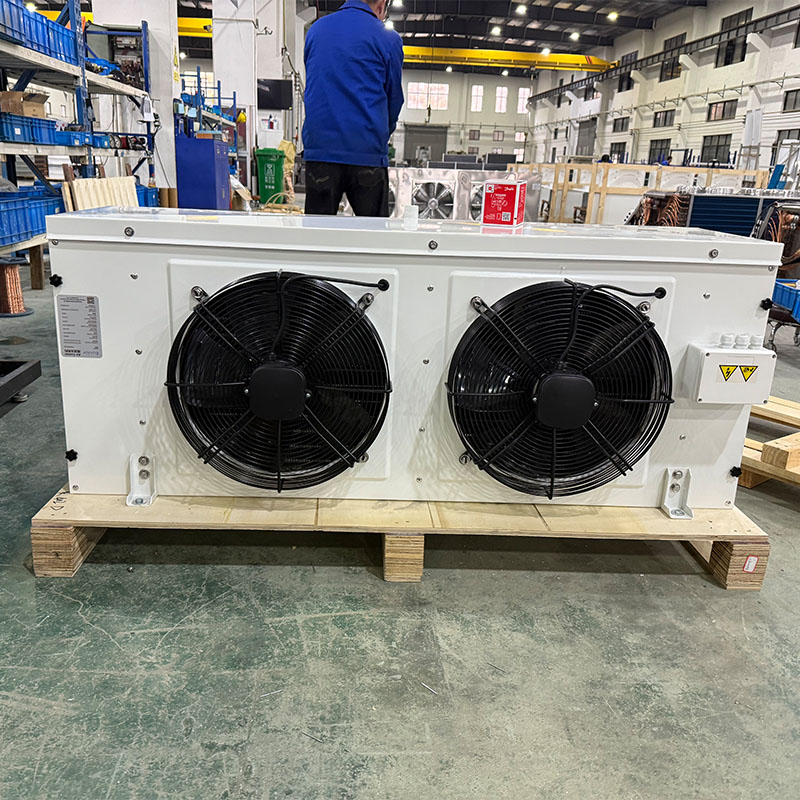
Finding trustworthy suppliers for chiller evaporators and condensers is crucial for ensuring product quality and reliability. Here are several strategies to identify reputable manufacturers:
Industry Research: Utilize online directories, industry forums, and trade publications to identify well-regarded suppliers. Look for manufacturers with a proven track record in the refrigeration industry, like Shanghai EMTH, which has over 20 years of experience and numerous patents.
Certifications: Check for industry certifications, such as ISO 9001, which indicate adherence to quality management standards. Certifications can provide assurance of product quality and reliability.
Supplier Evaluation: Request samples and conduct quality assessments before making a large order. Evaluate the performance of the chiller evaporators and condensers under actual operating conditions to ensure they meet your needs.
Customer Reviews and Case Studies: Look for testimonials or case studies that demonstrate the supplier's capability to provide solutions similar to your needs. Positive feedback from other B2B buyers can be a strong indicator of reliability.
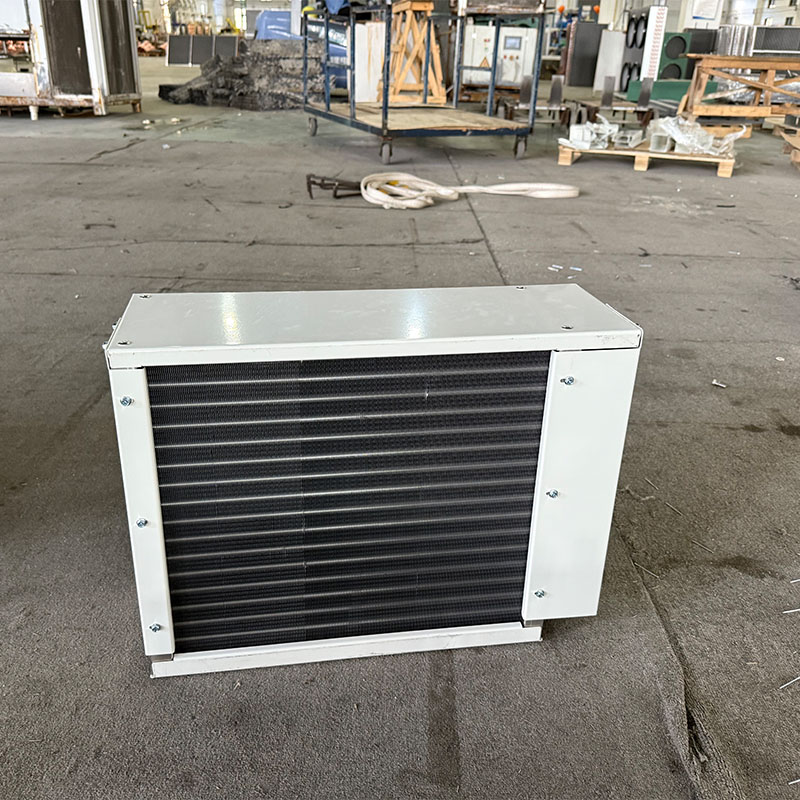
The cost of chiller evaporators and condensers can vary widely based on several factors. Understanding these can help you budget effectively:
Material Costs: The choice of materials significantly impacts the price. Common materials include copper, aluminum, and stainless steel. While higher-quality materials may cost more upfront, they often provide better durability and efficiency, leading to cost savings over time.
Manufacturing Complexity: Custom designs, intricate manufacturing processes, and advanced technology can increase costs. Determine if your application requires specialized features, as these can affect both the price and lead time.
Volume Discounts: Consider your order size when negotiating prices. Manufacturers may offer discounts for larger orders, which can help lower your per-unit cost.
Operational Costs: Factor in the long-term operational costs, including energy consumption and maintenance. Energy-efficient units may cost more initially but can result in significant savings over their lifecycle.
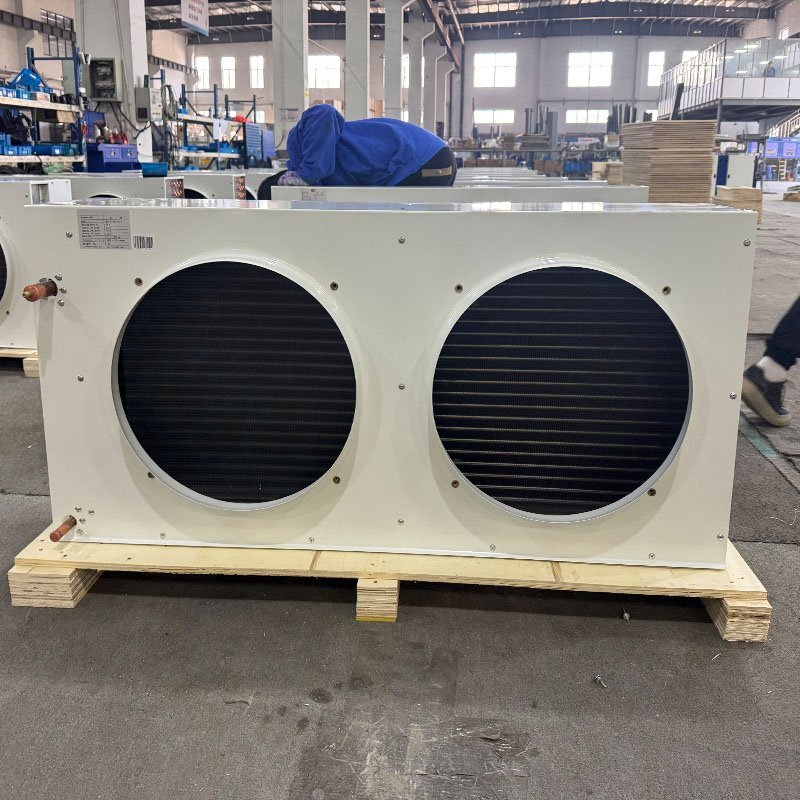
Chiller evaporators and condensers are versatile components widely used in numerous industries, each with unique requirements:
Food and Beverage: In this sector, chiller systems maintain strict temperature controls to preserve product freshness. They are essential in refrigeration units for storage and transportation.
Pharmaceuticals: The pharmaceutical industry relies on precise cooling to ensure the stability of temperature-sensitive products. Chiller systems must comply with stringent regulatory standards.
HVAC Systems: In heating, ventilation, and air conditioning, chiller evaporators and condensers are crucial for maintaining indoor climate control in commercial buildings.
Industrial Processes: Various manufacturing processes, such as plastics and chemicals, require cooling systems to manage heat generated during production. Chillers help ensure operational efficiency and product quality.
A modern plant of over 40000 square meters is in place to meet the majority Ice maker for under counter demands for production.
Special docking is available for a complete system of service. It includes creation of plans, Axial fans, landing plans, and after-sales support.
We have more than 20 years of experience and a highly skilled R&D EMTH staff.
With a great reputation in the industry with over 3,000+ clients served, EMTH EMTH is a trustworthy known and dependable supplier that has been recognized by other clients.

Welcome to EMTH, a cold storage refrigeration equipment specialist in China! We offer innovative and effective cold storage solutions, including cold storage, evaporator, condensing unit and ice machine.
Room 304-305B, Building 5, BESHINE B.P, No. 559Zhuyuan Road, Minhang District 201112, Shanghai, China
Copyright © Shanghai EMTH Import & Export Co., Ltd. All Rights Reserved. - Privacy Policy
 EN
 AR
 BG
 HR
 CS
 DA
 NL
 FI
 FR
 DE
 EL
 IT
 JA
 KO
 NO
 PL
 PT
 RO
 RU
 ES
 TL
 IW
 ID
 LT
 SR
 VI
 HU
 TH
 MS
 AZ
 JW
 LO
 MN
 SO
 MY
 KK
 TG
 UZ
 GD
 XH