Understanding the intricacies of condenser evaporators is essential for B2B buyers in various industries. These components play a critical role in refrigeration systems, impacting efficiency, cost-effectiveness, and overall system performance. Buyers often seek to understand the specific requirements for their applications, the importance of material selection, and how to ensure quality throughout the sourcing process. This article will guide you through selecting the right condenser evaporator, key specifications to compare, quality control processes, where to find reliable suppliers, and the diverse applications of these units across industries.
Selecting the appropriate condenser evaporator requires careful consideration of several factors related to your specific application. Start by assessing the cooling requirements, including the desired temperature range, cooling capacity, and the environment in which the evaporator will operate. For instance, a unit designed for a commercial kitchen may need to withstand high ambient temperatures and humidity, while one for a laboratory might require precise temperature control. Manufacturers like YH Type Condenser offer options tailored for various environments.
Additionally, consider compatibility with existing equipment. Assess the dimensions and connection types to ensure that the new evaporator integrates seamlessly into your current system. Customization options can also play a significant role; manufacturers like Shanghai EMTH offer tailored solutions to meet unique specifications, which can enhance performance and efficiency.
Finally, consider the energy efficiency of the evaporator. Look for models that comply with energy standards and offer high performance to reduce operational costs over time. This can significantly impact your overall budget, making energy-efficient solutions a priority.
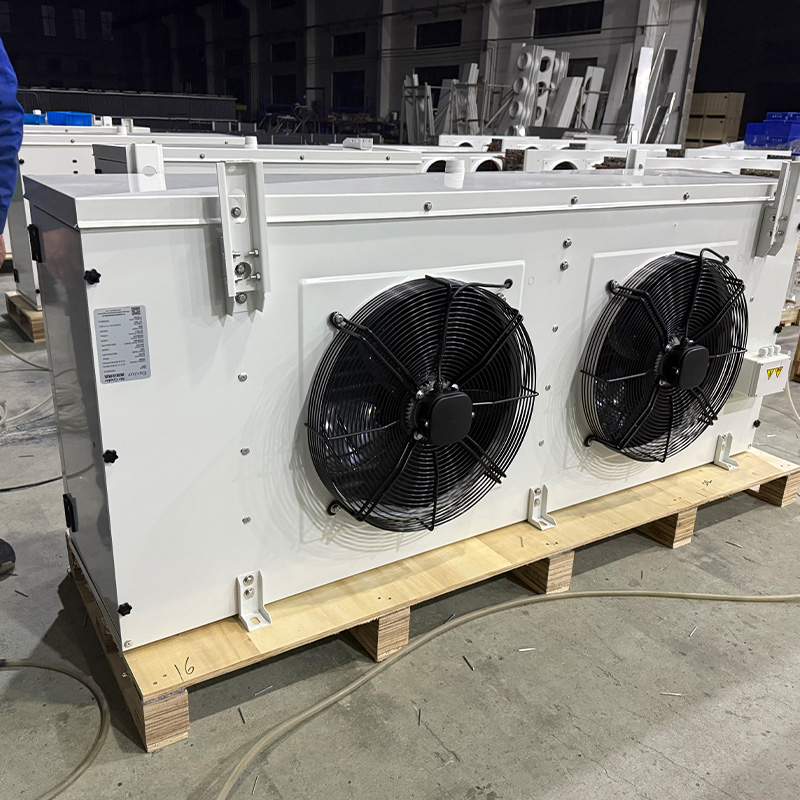
When sourcing condenser evaporators, certain specifications are critical in determining the suitability of a unit for your needs:
Cooling Capacity: Measured in BTUs or tons, this indicates how much heat the evaporator can remove from the air. Ensure that the capacity aligns with your cooling requirements.
Dimensions: The physical size of the evaporator affects installation and integration. Verify that the dimensions fit within your space while allowing for necessary airflow.
Material Construction: Common materials include copper and aluminum. Each has its advantages; for example, copper offers excellent thermal conductivity, while aluminum is lighter and resistant to corrosion. The choice depends on the application environment.
Fan Specifications: Check the type and size of the fan, as these impact airflow and noise levels. A higher airflow can enhance cooling efficiency but may also increase noise.
Operating Temperature Range: Ensure the evaporator can handle the temperature extremes of your application. Units with wider operational ranges provide greater flexibility.
Energy Efficiency Ratings: Look for energy efficiency ratings (EER or SEER) to evaluate energy consumption and operational costs over time.
By comparing these specifications, you can make informed decisions that align with your operational requirements and budget constraints.
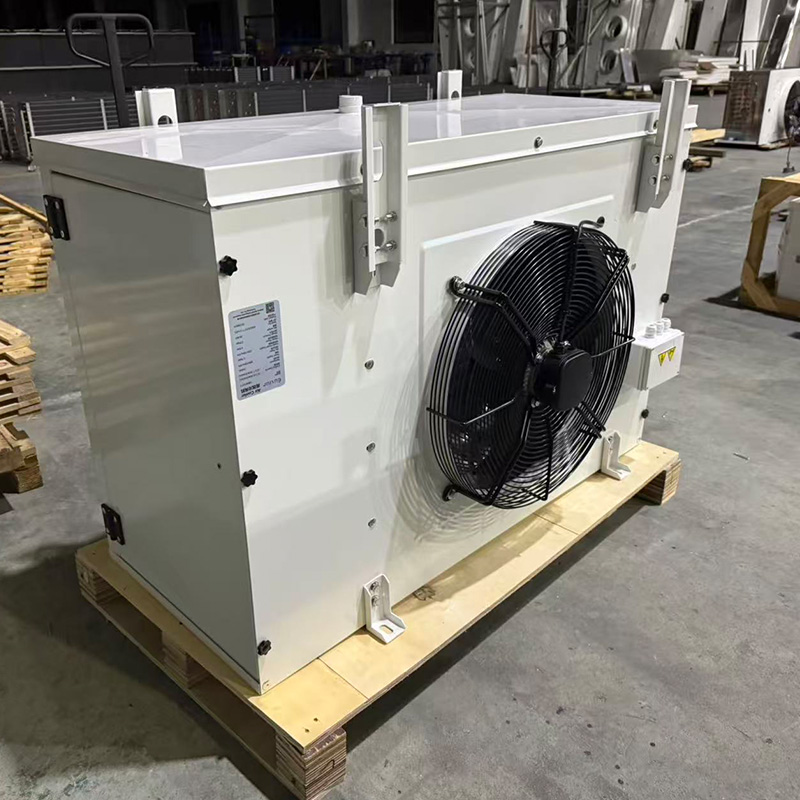
Quality control is paramount in the manufacturing of condenser evaporators. A robust quality control process ensures that each unit meets the specified standards and operates efficiently. Key aspects of this process include:
Material Inspection: Before production, raw materials are inspected for quality and compliance with industry standards. This step is crucial as it directly affects the durability and performance of the final product.
In-Process Inspections: Throughout the manufacturing process, periodic checks are conducted to monitor dimensions, assembly accuracy, and compliance with design specifications. This helps identify potential issues early, minimizing costly revisions later.
Performance Testing: Once assembled, evaporators undergo rigorous testing to evaluate cooling performance, energy efficiency, and operational reliability. Testing must mimic real-world conditions to ensure the product will perform as expected in its intended environment.
Final Quality Assessment: Before shipping, a final quality check ensures that each unit meets the established specifications and any customer requirements. This includes visual inspections for cosmetic defects and functionality tests. Manufacturers like Shanghai EMTH leverage over 20 years of experience and a comprehensive quality assurance system to deliver high-quality products that meet industry standards.
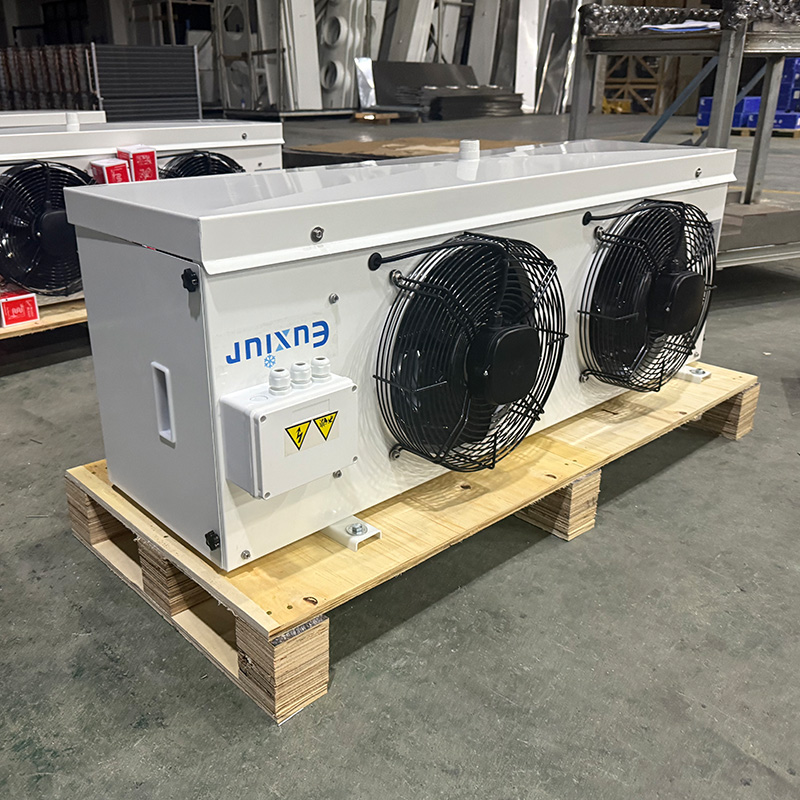
Finding a trustworthy supplier for condenser evaporators can significantly impact your procurement process. Start by researching manufacturers with a proven track record in the industry, such as Shanghai EMTH, known for their extensive experience and innovation in refrigeration equipment.
Industry Associations: Look for suppliers who are members of recognized industry associations, which can be a sign of credibility and adherence to industry standards.
Customer Reviews and Testimonials: Seek feedback from other buyers. Positive reviews and testimonials can provide insights into a supplier's reliability, product quality, and customer service.
Trade Shows and Industry Events: Attend industry trade shows to meet potential suppliers and view their products firsthand. This also allows for direct discussions about your specific needs and customization options.
Online Marketplaces: Utilize reputable B2B platforms to compare suppliers and products. Ensure to check for certifications and ask for references before making a commitment.
Certifications and Compliance: Verify that the supplier’s products meet relevant industry certifications and compliance standards, which can be critical for regulatory requirements in certain applications.
By carefully selecting a supplier, you can ensure access to high-quality condenser evaporators that meet your project specifications, including options like the Bitzer Condensing Unit and other specialized units.
Over 20 years of experience, we have the complete sales and after-sales systems with more than 20 patents and a professional R&D EMTH team.
Complete service system, from the creation of plans, Ice maker for commercial production and project landing, to after-sales services, there's special docking.
With a great reputation in the business and over 3,000+ clients that they have served, EMTH EMTH is a trustworthy established supplier that is praised by its clients.
A modern plant of over 40000 square meters is in place to meet the majority Ice maker for under counter demands for production.

Welcome to EMTH, a cold storage refrigeration equipment specialist in China! We offer innovative and effective cold storage solutions, including cold storage, evaporator, condensing unit and ice machine.
Room 304-305B, Building 5, BESHINE B.P, No. 559Zhuyuan Road, Minhang District 201112, Shanghai, China
Copyright © Shanghai EMTH Import & Export Co., Ltd. All Rights Reserved. - Privacy Policy
 EN
 AR
 BG
 HR
 CS
 DA
 NL
 FI
 FR
 DE
 EL
 IT
 JA
 KO
 NO
 PL
 PT
 RO
 RU
 ES
 TL
 IW
 ID
 LT
 SR
 VI
 HU
 TH
 MS
 AZ
 JW
 LO
 MN
 SO
 MY
 KK
 TG
 UZ
 GD
 XH