Small walk-in cooler refrigeration units are essential for businesses requiring reliable temperature control for perishable goods. These units are particularly valuable in restaurants, grocery stores, and warehouses, where maintaining food safety and quality is crucial. Buyers often face concerns regarding specifications, costs, and supplier reliability. This article will guide you through comparing specifications, understanding cost factors, sourcing suppliers, identifying applications, and troubleshooting common problems related to small walk-in cooler refrigeration units.
When evaluating small walk-in cooler refrigeration units, it is critical to compare various specifications that impact performance and suitability for specific applications. Key specifications include dimensions, cooling capacity (measured in BTUs), insulation thickness, and energy efficiency ratings.
Dimensions: The size of the unit should fit the available space while accommodating the volume of goods to be stored. Measure the installation area accurately and consider door sizes for ease of access.
Cooling Capacity: The BTU rating indicates how effectively a unit can maintain the desired temperature. Higher BTUs are necessary for larger spaces or when frequently opening doors. Buyers should calculate the required BTUs based on the size of the cooler, expected load, and ambient temperature conditions.
Insulation Thickness: Insulation directly affects energy consumption and temperature stability. Look for units with thicker insulation as they tend to be more energy-efficient and maintain stable internal temperatures, reducing operational costs.
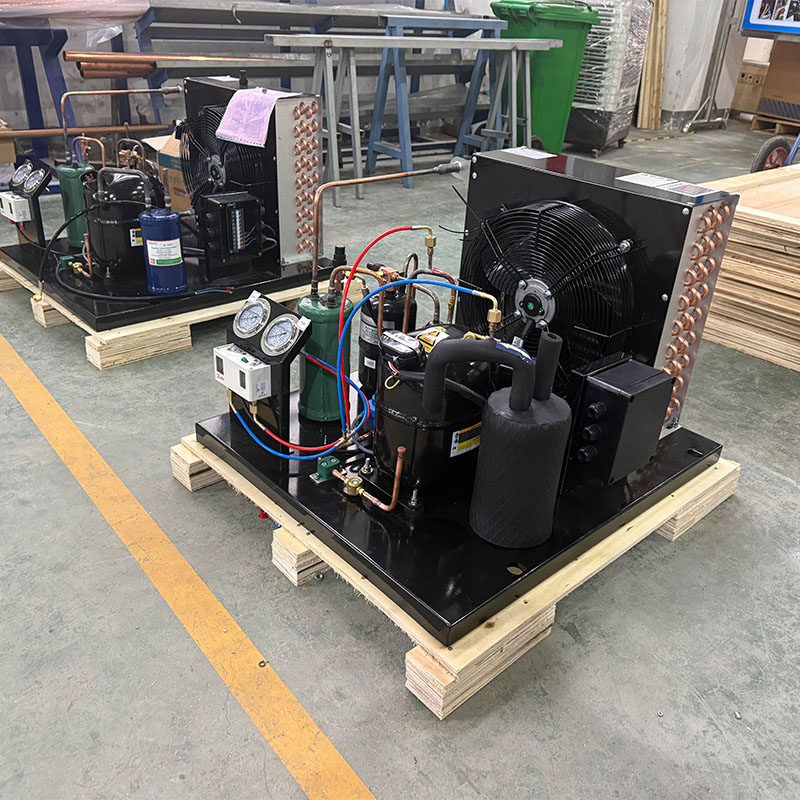
Energy Efficiency Rating: Energy-efficient units can lead to significant long-term savings. Check for ratings like Energy Star, which indicate lower energy consumption without compromising performance. Additionally, units such as the Bitzer Condensing Unit can provide excellent energy efficiency.
Understanding these specifications will enable buyers to select a refrigeration unit that aligns with their operational needs and budget.
The cost of small walk-in cooler refrigeration units can vary significantly based on several factors. Key considerations include:
Unit Size and Capacity: Larger units with higher cooling capacities generally come with higher price tags. Assess your storage needs to choose a size that balances capacity and cost.
Material Quality: The choice of materials, including the type of insulation and exterior finishes, influences costs. Stainless steel exteriors, for example, tend to be more durable and resistant to corrosion but may add to the initial cost.
Energy Efficiency Features: Units equipped with advanced energy-saving technologies tend to have higher upfront costs but can result in lower energy bills over time. Buyers should consider the payback period for these features, such as those found in the H Type Condensing Units.
Customization Options: Custom features such as customized shelving, door configurations, or specialized controls can increase costs. Determine which customizations are essential for your operation.
Supplier Pricing Policies: Different suppliers may have varying pricing structures, including bulk discounts or warranty offerings. It's advisable to obtain multiple quotes to compare total costs effectively.
Being aware of these cost factors will help buyers make informed decisions while closely matching their budget with their operational needs.
Finding a reliable supplier for small walk-in cooler refrigeration units is crucial for ensuring quality and support. Here are some strategies to identify trustworthy suppliers:
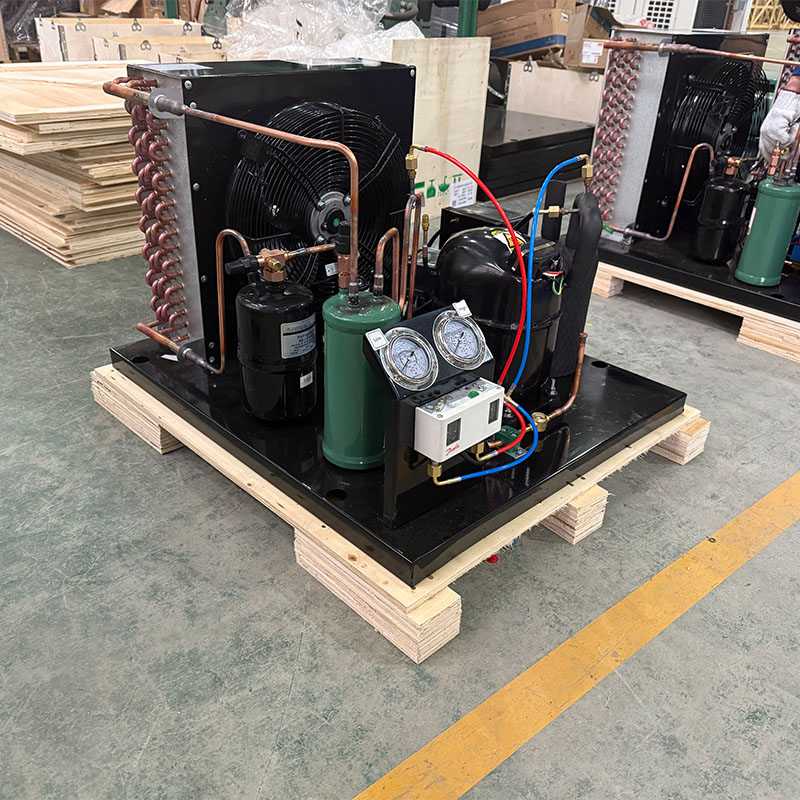
Industry Research: Start by researching manufacturers with a strong reputation in the refrigeration industry. Look for companies like Shanghai EMTH, which has over 20 years of experience in manufacturing refrigeration equipment, ensuring expertise and reliability.
Trade Shows and Exhibitions: Attend industry trade shows to meet suppliers in person. These events provide opportunities to see products, ask questions, and network with industry professionals.
Online Marketplaces and Directories: Utilize platforms such as Alibaba, ThomasNet, or industry-specific directories. These resources often include reviews and ratings to help assess supplier credibility.
Request References: When contacting potential suppliers, ask for references from previous clients. Reliable suppliers should readily provide testimonials or case studies demonstrating their past work.
Evaluate Support Services: Consider suppliers that offer comprehensive support, including installation, maintenance, and after-sales service. This support can be critical for resolving issues that may arise during operation.
By following these strategies, buyers can source suppliers who not only provide high-quality products but also support their operational requirements.
Small walk-in cooler refrigeration units are versatile and can be used in various industries. Common applications include:
Food Service Industry: Restaurants and catering services utilize walk-in coolers to store perishable ingredients safely, ensuring food safety regulations are met.
Grocery and Retail: Supermarkets often require walk-in coolers for storing fresh produce, dairy products, and meats, allowing for quick access and efficient inventory management.
Pharmaceuticals: In the pharmaceutical sector, temperature-controlled environments are essential for storing vaccines and sensitive medications that require strict temperature regulation.
Floral Shops: Florists use small walk-in coolers to keep flowers fresh and extend their shelf life, providing customers with high-quality products.
Events and Catering: Temporary catering operations and event planners benefit from portable walk-in coolers to transport and store food safely during events.
Understanding the applications of these refrigeration solutions helps buyers align their purchasing decisions with their specific industry needs.
A modern facility of more than 40,000 square meters is available to meet the majority of EMTH requirements.
Special docking is offered for a complete service. This includes the design of Commercial ice maker, production installation, landing projects, and after-sales support.
With a great reputation in the business and over 3,000+ clients that they have served, EMTH EMTH is a trustworthy established supplier that is praised by its clients.
With more than 20 years of knowledge, we've developed a a complete production and sales and after-sales process with more than 20 patent certificates and a skilled R&D EMTH team.

Welcome to EMTH, a cold storage refrigeration equipment specialist in China! We offer innovative and effective cold storage solutions, including cold storage, evaporator, condensing unit and ice machine.
Room 304-305B, Building 5, BESHINE B.P, No. 559Zhuyuan Road, Minhang District 201112, Shanghai, China
Copyright © Shanghai EMTH Import & Export Co., Ltd. All Rights Reserved. - Privacy Policy
 EN
 AR
 BG
 HR
 CS
 DA
 NL
 FI
 FR
 DE
 EL
 IT
 JA
 KO
 NO
 PL
 PT
 RO
 RU
 ES
 TL
 IW
 ID
 LT
 SR
 VI
 HU
 TH
 MS
 AZ
 JW
 LO
 MN
 SO
 MY
 KK
 TG
 UZ
 GD
 XH