Choosing the right commercial blast freezer refrigeration unit is crucial for businesses in the food processing, catering, and cold storage industries. These units are designed to rapidly freeze products, preserving their quality and extending shelf life. B2B buyers, such as purchasing managers and engineers, often face challenges selecting the right unit that meets their operational needs while considering factors like efficiency, capacity, and budget. This article aims to clarify key aspects of commercial blast freezer refrigeration units, helping you make informed purchasing decisions.
When selecting a commercial blast freezer refrigeration unit, it's essential to consider your specific operational requirements. Factors such as the type of products you intend to freeze, the volume of production, and the layout of your facility play a significant role in your choice. For instance, if you operate in a high-throughput environment, you’ll need a unit with a large capacity and high freezing efficiency. Conversely, if your business handles smaller batches, a compact unit may suffice. Additionally, look for features like adjustable temperature settings and energy-efficient designs, which can help you manage operational costs effectively. You might consider options like the Bitzer Condensing Unit for enhanced performance.
Understanding your freezing needs, including the required freezing time and the temperature range for different products, will also influence your decision. Consulting with manufacturers like Shanghai EMTH, which specializes in refrigeration equipment, can provide valuable insights into the best options available, including the H Type Condenser.
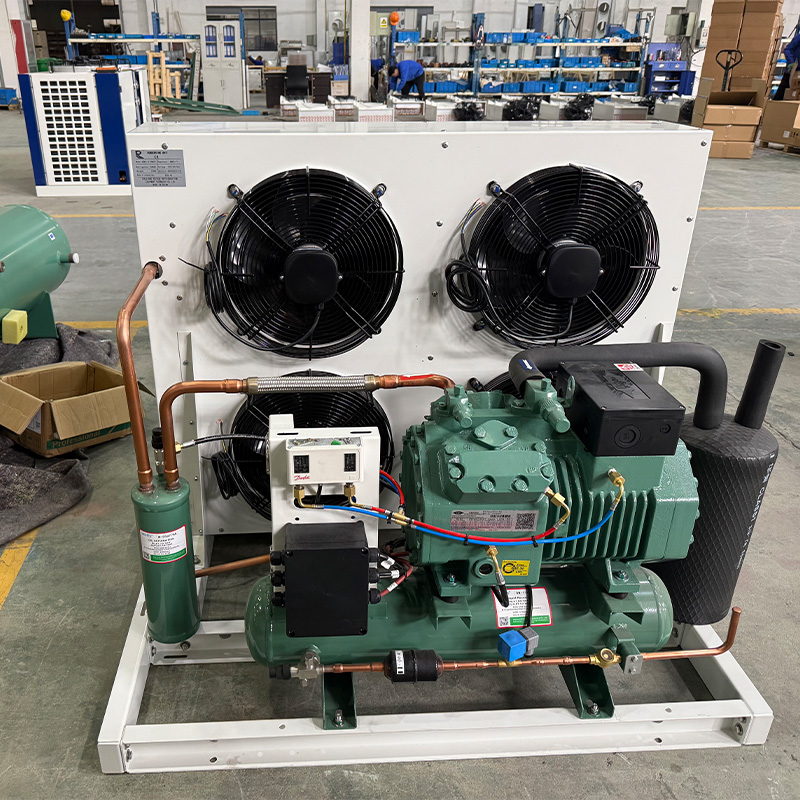
When evaluating commercial blast freezer refrigeration units, pay close attention to several key specifications that directly impact performance:
Cooling Capacity: Measured in BTU/hr, this indicates how quickly a unit can freeze products. Ensure the capacity aligns with your production needs—oversized units can lead to inefficiencies, while undersized ones may not achieve desired freezing times.
Temperature Range: Most commercial blast freezers operate between -10°F to -40°F. The ideal range depends on the products being frozen. For example, seafood may require lower temperatures than baked goods.
Airflow Design: A well-designed airflow system ensures even cooling throughout the chamber, preventing hotspots that can lead to inconsistent freezing.
Construction Material: Stainless steel is commonly preferred due to its durability and ease of cleaning, which is essential for maintaining hygiene in food processing environments.
Energy Efficiency: Look for units with energy-efficient compressors and insulation, which can significantly reduce operational costs over time.
Understanding these specifications enables buyers to select a unit that not only meets their immediate needs but also contributes to long-term operational efficiency, potentially incorporating systems like the Compressor For Refrigeration Tools And Equipment.
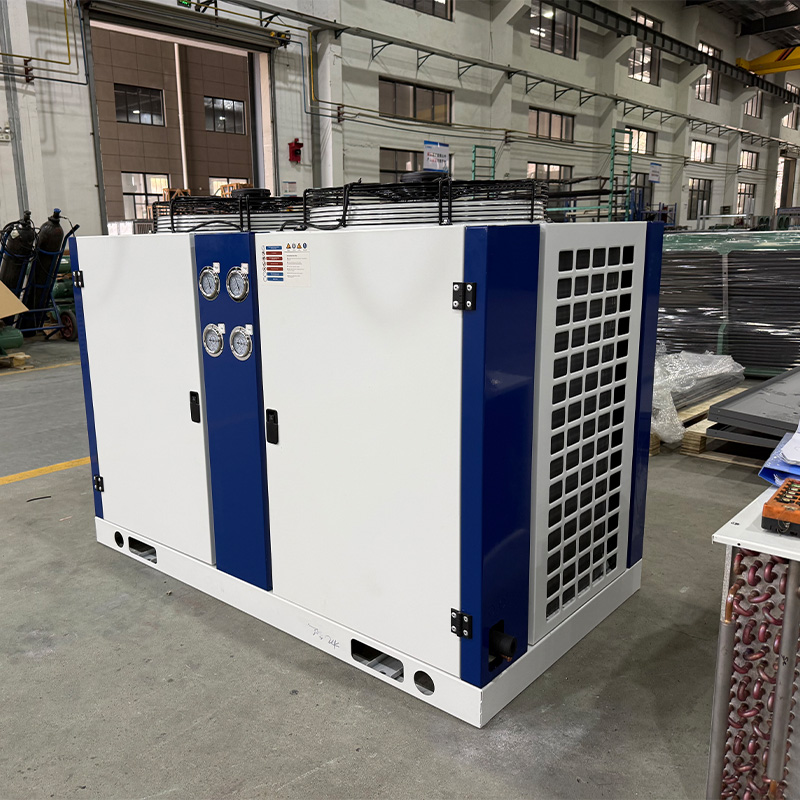
When comparing commercial blast freezer units for wholesale purchasing, create a checklist of essential criteria to evaluate each option effectively:
Price vs. Features: While price is a crucial factor, it should be weighed against the features and capabilities offered by each unit. A higher upfront cost may be justified by lower operating costs or superior performance.
Warranty and Support: Assess the manufacturer’s warranty and after-sales support. A robust warranty can provide peace of mind, while responsive customer service is essential for addressing any operational issues that may arise.
Customization Options: Depending on your specific needs, consider whether the manufacturer offers custom configurations, such as size adjustments or specialized shelving.
User Reviews and Case Studies: Look for feedback from other businesses in your industry. Real-world experiences can guide you to reliable options and highlight potential issues.
Lead Times and Availability: Inquire about production lead times and stock availability. This information is critical for planning your operations and ensuring timely delivery.
By systematically comparing these factors, you can make a more informed decision that aligns with your business needs.
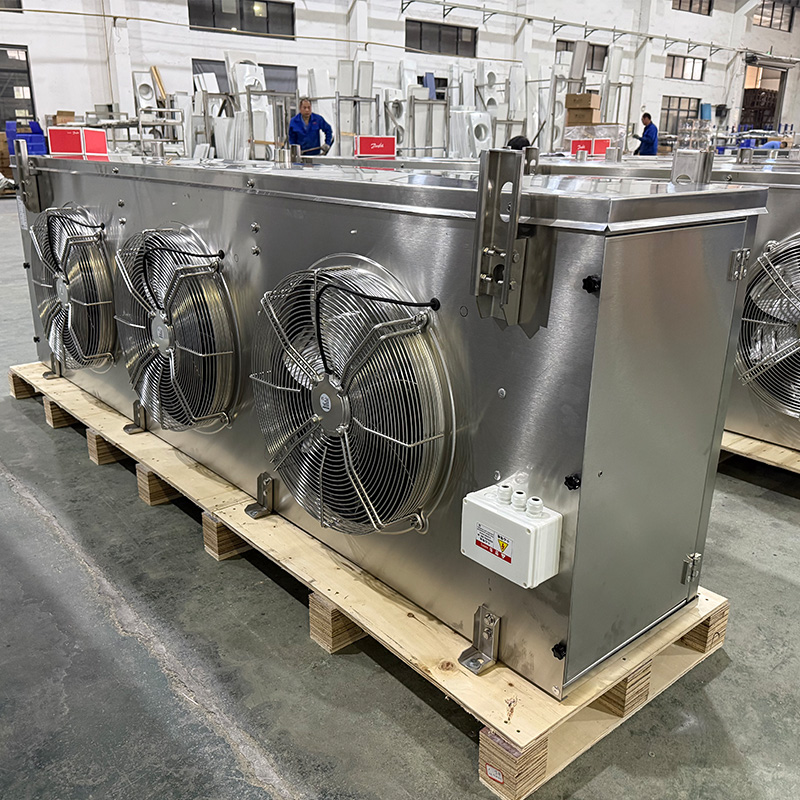
Understanding common problems associated with commercial blast freezer refrigeration units can help you avoid costly downtime and maintain optimal performance:
Inconsistent Freezing: This may arise from inadequate airflow or a unit that is too large for the volume being frozen. Regular maintenance, including cleaning the evaporator coils and checking fan operation, can mitigate these issues.
Temperature Fluctuations: Sudden temperature changes can impact product quality. It’s crucial to ensure that the unit has a reliable thermostat and proper insulation. Installing temperature data loggers can help monitor fluctuations and identify potential problems.
Frost Build-Up: Excessive frost can hinder performance and increase energy consumption. Implementing a defrost cycle and maintaining clean seals on freezer doors can help prevent this issue.
Compressor Failure: This is often a result of poor maintenance or overloading. Regular servicing and ensuring the unit is not running continuously at maximum capacity are key preventive measures.
By proactively addressing these common problems, businesses can enhance the reliability and efficiency of their blast freezer refrigeration units.
We have more than 20 years of experience and a highly skilled R&D EMTH staff.
Complete service program, from formulating of plans to the production and Ice maker for under counter, to after-sales service, there are specific docking.
A modern plant of over 4000 square meters is in operation to meet the majority Ice maker for commercial production requirements.
With a good name in the industry, with over 3,000+ clients serviced, EMTH EMTH is a trustworthy established supplier that is praised by its clients.

Welcome to EMTH, a cold storage refrigeration equipment specialist in China! We offer innovative and effective cold storage solutions, including cold storage, evaporator, condensing unit and ice machine.
Room 304-305B, Building 5, BESHINE B.P, No. 559Zhuyuan Road, Minhang District 201112, Shanghai, China
Copyright © Shanghai EMTH Import & Export Co., Ltd. All Rights Reserved. - Privacy Policy
 EN
 AR
 BG
 HR
 CS
 DA
 NL
 FI
 FR
 DE
 EL
 IT
 JA
 KO
 NO
 PL
 PT
 RO
 RU
 ES
 TL
 IW
 ID
 LT
 SR
 VI
 HU
 TH
 MS
 AZ
 JW
 LO
 MN
 SO
 MY
 KK
 TG
 UZ
 GD
 XH