Cooling refrigeration units are essential components in various industrial and commercial applications, designed to maintain specific temperature conditions for products and processes. When selecting the right cooling refrigeration unit, buyers often face concerns about efficiency, reliability, and compatibility with existing systems. This article will help you understand the key factors to consider when choosing a cooling refrigeration unit, finding reliable suppliers, evaluating quality control, installation guidance, and comparing different options effectively.
Selecting the appropriate cooling refrigeration unit involves considering several critical factors that align with your specific application. First, evaluate the cooling capacity required, which is typically measured in BTUs (British Thermal Units) or kW (kilowatts). This capacity must match your cooling needs to prevent overworking the unit or insufficient cooling.
Next, consider the unit's design and configuration. For instance, air-cooled versus water-cooled systems have different installation requirements and operational efficiencies. Water-cooled units may offer better efficiency but require a continuous water supply, while air-cooled units are easier to install but may have limitations in high-temperature environments. Additionally, options like Air Curtain systems can enhance air flow and efficiency in certain settings.
Additionally, check the energy efficiency rating of the cooling refrigeration unit. A higher SEER (Seasonal Energy Efficiency Ratio) or EER (Energy Efficiency Ratio) indicates better efficiency and can lead to significant cost savings over time. Remember that operational costs should be factored into your decision, as more energy-efficient units often have higher initial costs but lower long-term expenses.
Lastly, consider your space constraints and whether the unit can be customized to fit specific dimensions or operational requirements. Companies like Shanghai EMTH can provide tailored solutions based on their extensive manufacturing experience and capabilities.
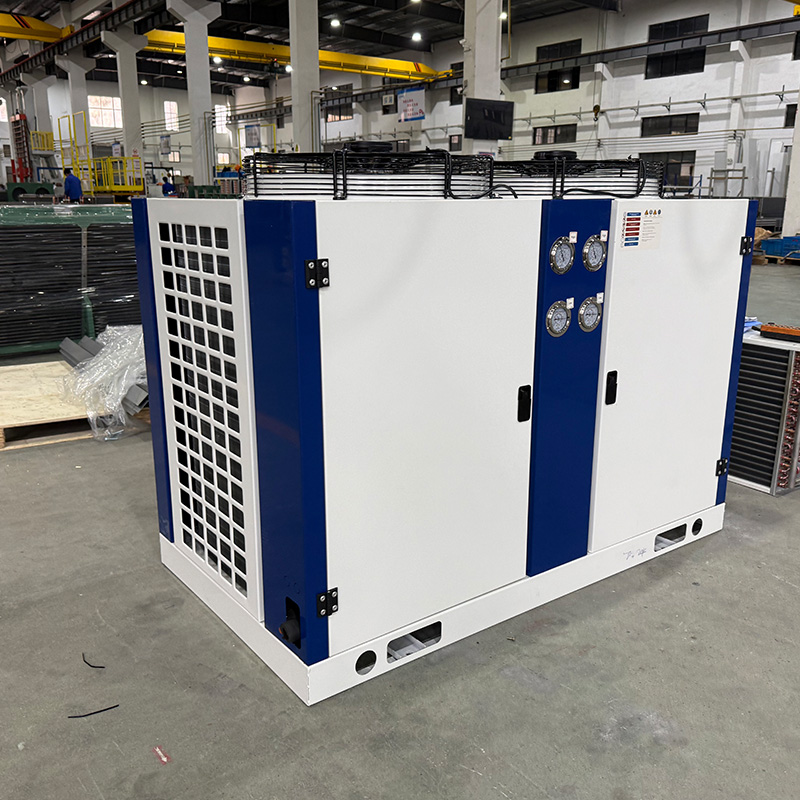
Finding a reputable supplier for cooling refrigeration units is crucial for ensuring product quality and reliability. Start by researching manufacturers with a robust track record in the industry. Look for suppliers that have been in business for a significant amount of time and have a portfolio of successful installations.
Assess the supplier’s certifications and patents, as these can indicate a commitment to quality and innovation. Shanghai EMTH, for instance, emphasizes its 20 years of experience and 20 patents in refrigeration equipment, which can be a good sign of expertise.
It's also beneficial to read reviews or seek testimonials from previous clients to gauge their satisfaction with the supplier's products and services. If possible, request references to discuss their experiences directly.
Furthermore, inquire about the supplier's customer support and warranty offerings. A reliable supplier should provide comprehensive after-sales support and a reasonable warranty period for their products, which can significantly impact your operational continuity.
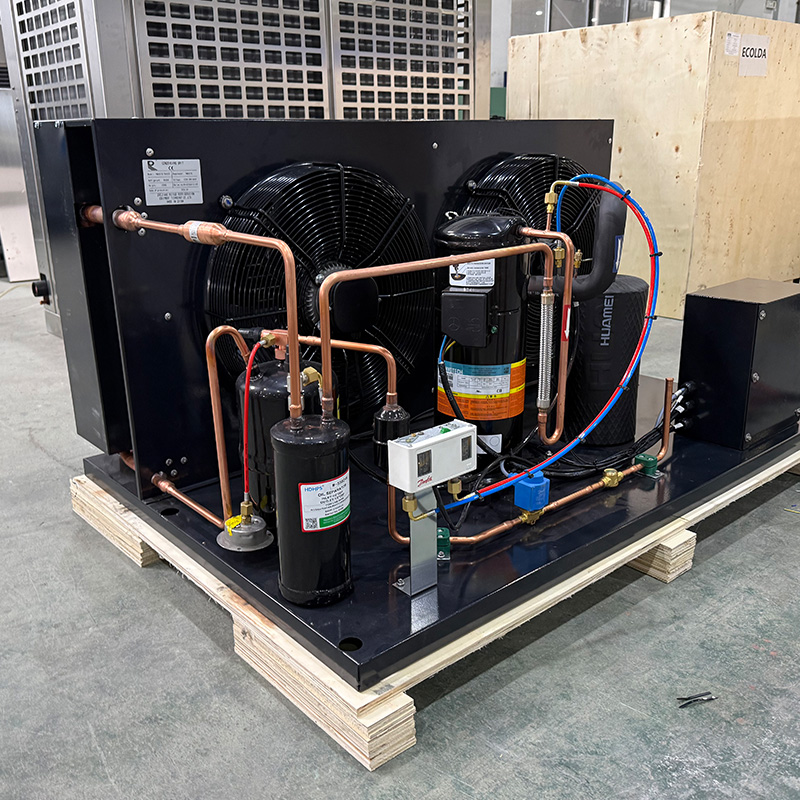
Quality control is vital in manufacturing cooling refrigeration units to ensure they meet performance standards and reliability expectations. When evaluating a supplier's quality control processes, inquire about their manufacturing practices and the standards they adhere to.
A robust quality assurance program should include regular inspections at various production stages, from raw material sourcing to final assembly. This process ensures that any defects are identified and rectified before the product reaches the customer. Additionally, consider whether the manufacturer conducts performance testing on completed units under real-world conditions to assess their reliability and efficiency.
Ask about certifications such as ISO 9001, which can indicate a commitment to maintaining high-quality standards throughout the manufacturing process. Companies like Shanghai EMTH, with established quality control protocols, can provide buyers with greater confidence in their products.
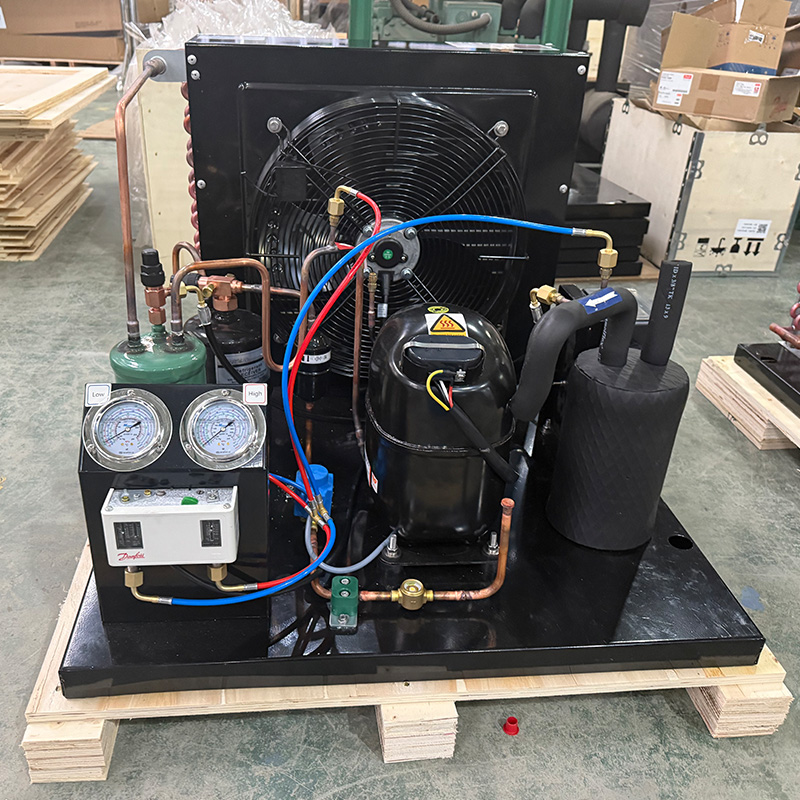
Proper installation of a cooling refrigeration unit is critical to its performance and longevity. Before installation, ensure that the site meets the manufacturer's specifications regarding space, ventilation, and electrical requirements. The installation environment should allow for adequate airflow around the unit to prevent overheating.
It's advisable to work with certified professionals who are familiar with the installation of refrigeration equipment. They should follow the manufacturer's guidelines closely to avoid any potential issues that could arise from improper setup.
Before finalizing the installation, conduct a thorough inspection to ensure that all components are securely installed and that the unit is functioning correctly. This includes checking for any leaks in the refrigerant lines and ensuring that the electrical connections are safe and compliant with local regulations.
Lastly, after installation, maintain regular service checks to ensure operational efficiency. This proactive approach can help identify any performance issues early on, potentially saving costs associated with repairs and downtime.
With more than 20 years of knowledge, we've developed a a complete production and sales and after-sales system with more than 20 patent certificates and a highly skilled R&D EMTH team.
With a full service system, from the formulation of plans, production of Condensing units as well as project landing until after-sales assistance, there's special docking.
A modern factory of over 40,000 square meters is available to fulfill the majority of EMTH demands for production.
With a strong reputation in the business and over 3,000+ clients that they have served, EMTH EMTH is a trustworthy, proven supplier that has been acknowledged by other clients.

Welcome to EMTH, a cold storage refrigeration equipment specialist in China! We offer innovative and effective cold storage solutions, including cold storage, evaporator, condensing unit and ice machine.
Room 304-305B, Building 5, BESHINE B.P, No. 559Zhuyuan Road, Minhang District 201112, Shanghai, China
Copyright © Shanghai EMTH Import & Export Co., Ltd. All Rights Reserved. - Privacy Policy
 EN
 AR
 BG
 HR
 CS
 DA
 NL
 FI
 FR
 DE
 EL
 IT
 JA
 KO
 NO
 PL
 PT
 RO
 RU
 ES
 TL
 IW
 ID
 LT
 SR
 VI
 HU
 TH
 MS
 AZ
 JW
 LO
 MN
 SO
 MY
 KK
 TG
 UZ
 GD
 XH