Cold room refrigeration equipment is essential for businesses that require precise temperature control for perishable goods, such as food, pharmaceuticals, and chemicals. When investing in cold room refrigeration solutions, purchasing managers and engineers typically have concerns regarding product specifications, supplier reliability, installation challenges, and efficiency optimization. This article will guide you through the key specifications for high-quality cold room refrigeration units, how to evaluate supplier reliability, where to find wholesale suppliers, common installation problems, and solutions for improving system efficiency.
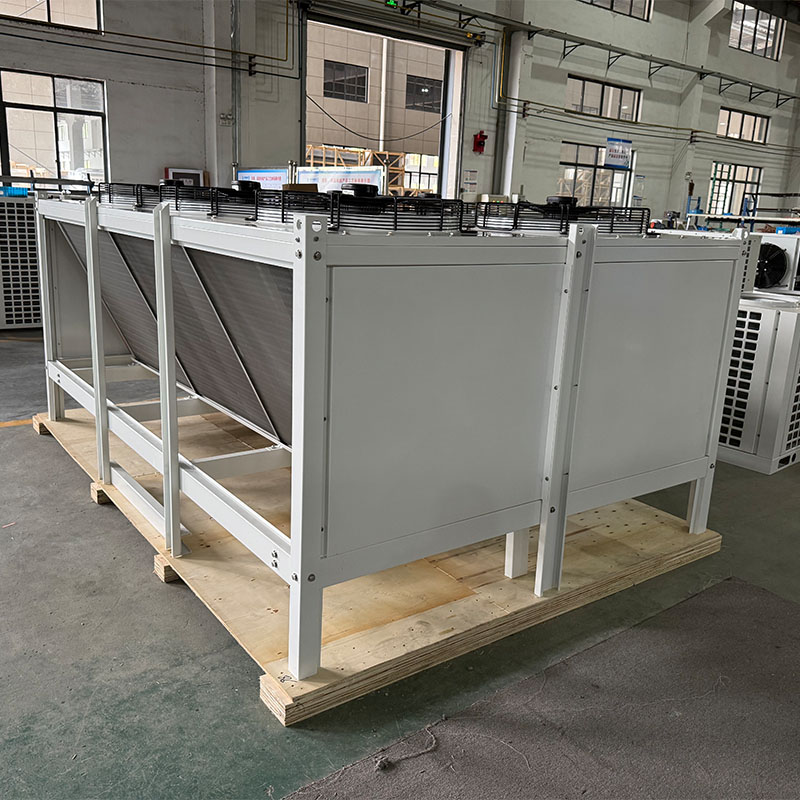
When selecting cold room refrigeration equipment, several key specifications must be considered to ensure optimal performance and suitability for your application:
Cooling Capacity: This is measured in BTUs or kilowatts and indicates how much heat the system can remove from the cold room. The required capacity depends on factors such as room size, insulation quality, and the type of goods stored. Oversizing or undersizing the unit can lead to inefficiencies and increased operational costs.
Temperature Range: Different applications require different temperature settings. For example, food storage may require temperatures between -18°C to 0°C, while pharmaceutical storage may need to maintain temperatures between 2°C to 8°C. Ensure that the refrigeration unit you choose can maintain the necessary temperature range consistently.
Refrigerant Type: The choice of refrigerant impacts efficiency and environmental compliance. Common refrigerants include R-404A and R-410A, but newer, more environmentally-friendly options like R-32 are becoming popular. Choose a refrigerant that meets regulatory standards and is compatible with your equipment.
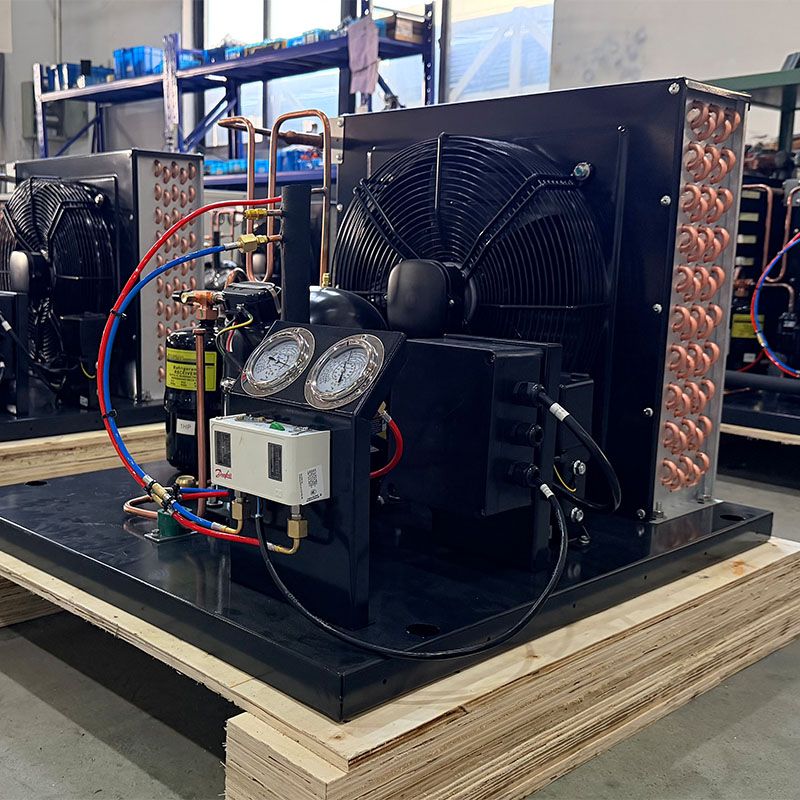
Energy Efficiency: Look for units with high Energy Efficiency Ratios (EER) or Seasonal Energy Efficiency Ratios (SEER). Energy-efficient systems reduce operating costs and minimize environmental impact. Units that comply with local energy efficiency standards or have certifications (like ENERGY STAR) are advisable. Additionally, incorporating high-quality components such as an Compressor can further enhance energy efficiency.
Construction Material: The durability and insulation properties of the unit's materials affect its longevity and efficiency. Stainless steel or coated metals are preferred for their resistance to corrosion and ease of cleaning.
Evaluating supplier reliability is crucial for ensuring a smooth procurement process. Here are key factors to consider:
Experience and Reputation: Look for suppliers with a proven track record in manufacturing cold room refrigeration equipment. Companies like Shanghai EMTH, with over 20 years of experience, showcase their capability through customer testimonials and case studies.
Quality Assurance Processes: A reliable supplier should have robust quality control measures in place. Ask about their manufacturing processes, certifications (ISO 9001, for example), and testing protocols for their products.
Technical Support and Service: Ensure the supplier offers technical support and after-sales service. Understanding how they handle maintenance, repairs, and spare parts availability can help you assess their reliability.
Customization Capabilities: If specific requirements exist for your cold room, confirm whether the supplier can accommodate customization. This may include size, configuration, or specific components to meet application needs.
Export Experience: If you are sourcing internationally, assess the supplier's experience in shipping products globally. This includes understanding customs regulations, packaging standards, and logistics.
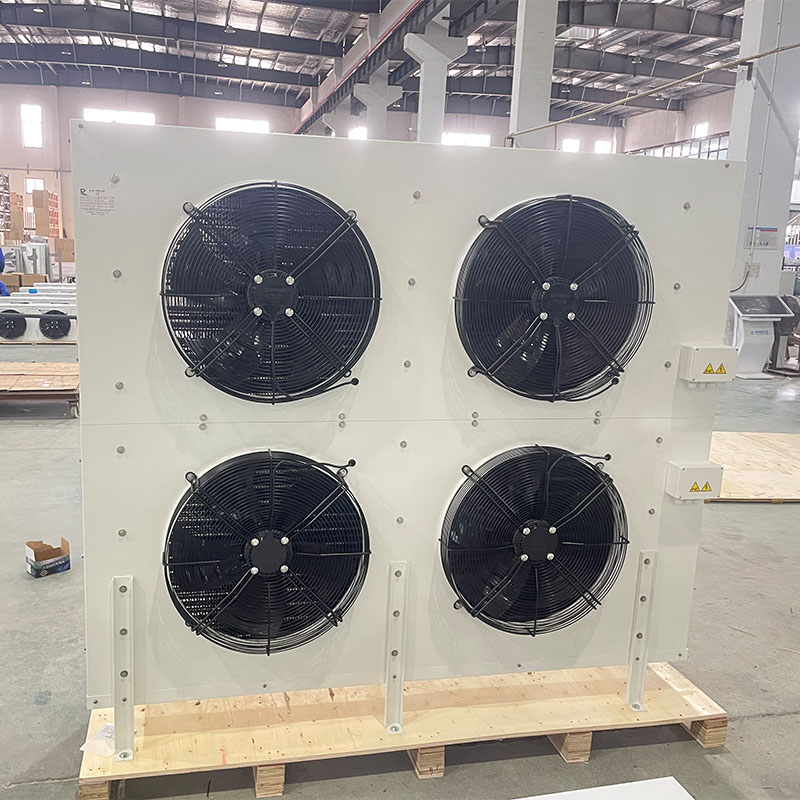
Finding reputable wholesale suppliers for cold room refrigeration equipment involves a multi-faceted approach:
Industry Trade Shows: Attending trade shows related to refrigeration, food storage, or pharmaceuticals can be invaluable. These events allow for direct interaction with manufacturers and suppliers, enabling you to assess their offerings firsthand.
Online Directories: Platforms like Alibaba, ThomasNet, or Global Sources provide listings of manufacturers and wholesalers specializing in refrigeration equipment. Ensure to filter for verified suppliers with positive reviews.
Professional Associations: Organizations such as the International Institute of Refrigeration (IIR) or local refrigeration associations often have directories of accredited suppliers and manufacturers.
Networking: Leverage your professional network to gather recommendations. Colleagues or industry contacts may provide insights into reliable suppliers based on their experiences.
Market Research: Conduct thorough market research to identify potential suppliers. This includes reviewing company profiles, product catalogs, and customer feedback.
Installation is a critical phase that can impact the effectiveness of cold room refrigeration. Here are common issues to watch for:
Improper Sizing: Selecting a unit that does not match the cold room dimensions can lead to insufficient cooling or excessive energy consumption. Ensure accurate measurements are taken before installation.
Poor Insulation: Inadequate insulation can cause temperature fluctuations and increased energy costs. Check that insulation meets the required standards for your application to maintain desired temperatures.
Incorrect Placement: The positioning of the refrigeration unit affects airflow and efficiency. Avoid placing the unit in areas with direct sunlight or near heat sources. Proper air circulation is essential for optimal performance.
Electrical Issues: Ensure that the electrical system can handle the load of the refrigeration unit. Inadequate electrical supply may affect performance and can lead to equipment failure.
Lack of Compliance with Regulations: Verify that the installation complies with local health and safety regulations. This may include ensuring proper ventilation and access for maintenance.
Complete service program, from formulating of plans, production of Cold room as well as project landing until after-sales service, there are specific docking.
With a great reputation in the industry with over 3,000+ clients served, EMTH EMTH is a trustworthy known and dependable supplier that has been recognized by other clients.
More than 20 years of' experience and an experienced EMTH R&D staff.
A modern factory of over 40,000 square meters is available to fulfill the majority of EMTH demands for production.

Welcome to EMTH, a cold storage refrigeration equipment specialist in China! We offer innovative and effective cold storage solutions, including cold storage, evaporator, condensing unit and ice machine.
Room 304-305B, Building 5, BESHINE B.P, No. 559Zhuyuan Road, Minhang District 201112, Shanghai, China
Copyright © Shanghai EMTH Import & Export Co., Ltd. All Rights Reserved. - Privacy Policy
 EN
 AR
 BG
 HR
 CS
 DA
 NL
 FI
 FR
 DE
 EL
 IT
 JA
 KO
 NO
 PL
 PT
 RO
 RU
 ES
 TL
 IW
 ID
 LT
 SR
 VI
 HU
 TH
 MS
 AZ
 JW
 LO
 MN
 SO
 MY
 KK
 TG
 UZ
 GD
 XH