Air cooled refrigeration condenser units play a crucial role in various industrial applications by efficiently dissipating heat from refrigerants. As a key component in refrigeration systems, their performance directly impacts the overall efficiency and reliability of cooling systems. B2B buyers, including purchasing managers and engineers, often have concerns regarding product specifications, supplier reliability, and cost considerations. This article will provide valuable insights into selecting, evaluating, and installing air cooled refrigeration condenser units, empowering buyers to make informed purchasing decisions.
Finding a reliable supplier for air cooled refrigeration condenser units is essential for ensuring product quality and timely delivery. Start by researching manufacturers with a proven track record in the industry. Look for companies that specialize in refrigeration equipment, as they are more likely to have the necessary expertise and experience. Trade shows and industry exhibitions are excellent venues to connect with suppliers, review their products, and engage in face-to-face discussions.
Online marketplaces, industry directories, and professional networks can also provide valuable leads. When assessing suppliers, consider their production capabilities, certifications, and customer reviews. A supplier with a strong reputation, such as Shanghai EMTH, which boasts over 20 years of experience and 20 patents in refrigeration manufacturing, can offer confidence in their products' quality and reliability. Additionally, it's beneficial to request samples or visit the manufacturing facility to evaluate their operation and quality control processes firsthand.
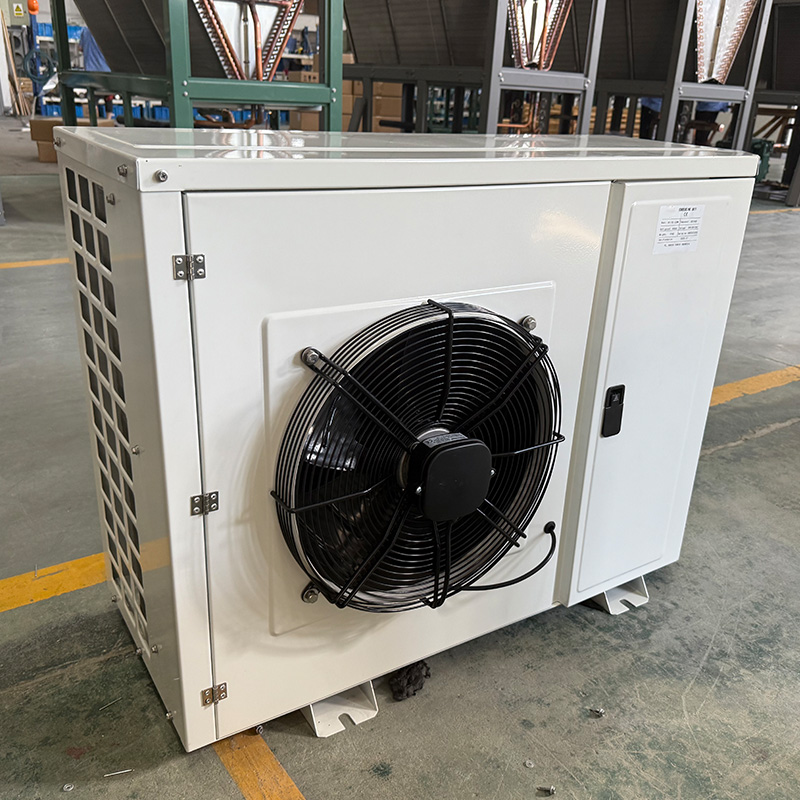
When selecting air cooled refrigeration condenser units, certain specifications are critical to ensuring optimal performance:
Cooling Capacity: Measured in BTUs or kilowatts, this specification determines the unit's ability to remove heat. Buyers should match the cooling capacity to their specific application requirements to avoid underperformance or energy inefficiency.
Material: The construction material impacts durability and resistance to environmental factors. Units made from corrosion-resistant materials like stainless steel or aluminum are preferable for long-term use, especially in humid or corrosive environments.
Fan Type and Size: The design and size of the fans affect airflow efficiency. Larger fans can move more air but may require more power. Ensuring the fan configuration fits the intended installation space is vital.
Operating Conditions: Understanding the temperature and pressure ranges in which the condenser will operate is crucial. Units should be rated for the specific conditions to ensure reliability and safety.
Noise Levels: For applications in noise-sensitive environments, selecting condensers designed for quiet operation can enhance user comfort and compliance with regulations.
Efficiency Ratings: Look for energy-efficient models that comply with industry standards, as these can significantly reduce operational costs over time. Understanding these specifications helps buyers select units that align with their operational needs and performance expectations.
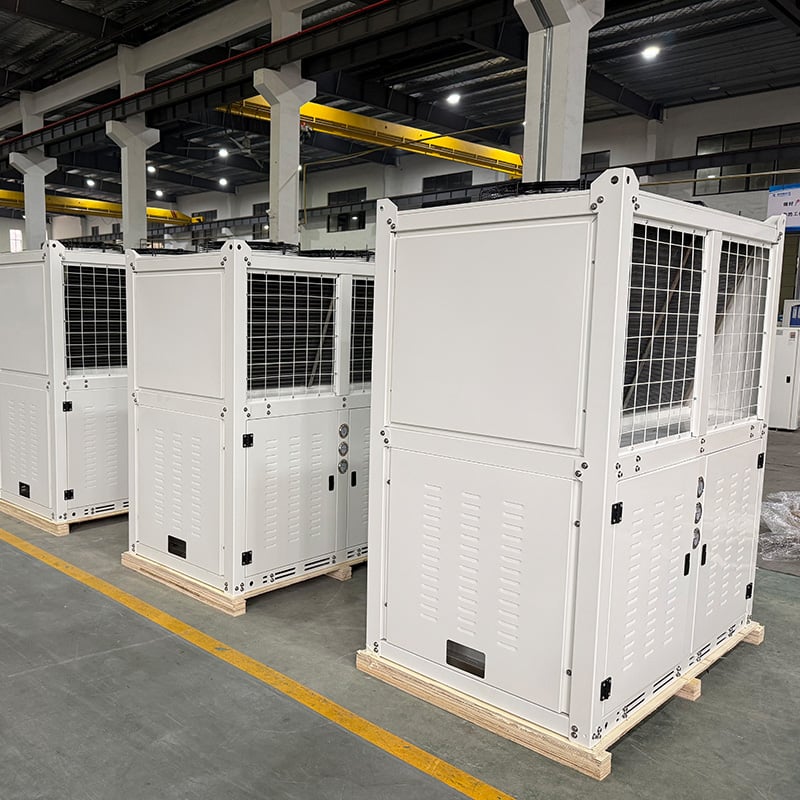
Evaluating the cost of air cooled refrigeration condenser units involves more than just comparing unit prices. Buyers should consider several factors that contribute to the total cost:
Initial Purchase Price: While this is the most straightforward cost, it’s essential to ensure that the lowest price doesn't compromise quality. Request quotes from multiple suppliers, and ensure that they provide detailed specifications for comparison.
Operational Costs: Energy efficiency plays a significant role in operational costs. Units with higher efficiency ratings may have a higher upfront cost but can lead to significant savings in energy bills over time.
Maintenance and Repair Costs: Consider the maintenance requirements of the unit. Some models may have lower initial costs but require frequent repairs or replacements, increasing overall expenses.
Customization Options: If specific modifications are needed, these can affect the pricing structure. Clarify any customization fees upfront to avoid surprises later.
Shipping and Handling Fees: Factor in the logistics costs associated with delivery, especially for large units which may require special handling.
Warranty and Support: A robust warranty and responsive customer support can provide peace of mind. Assess the warranty terms, as longer coverage may justify a higher initial price.
By evaluating these cost components, buyers can make informed decisions that align with their budget and operational goals.
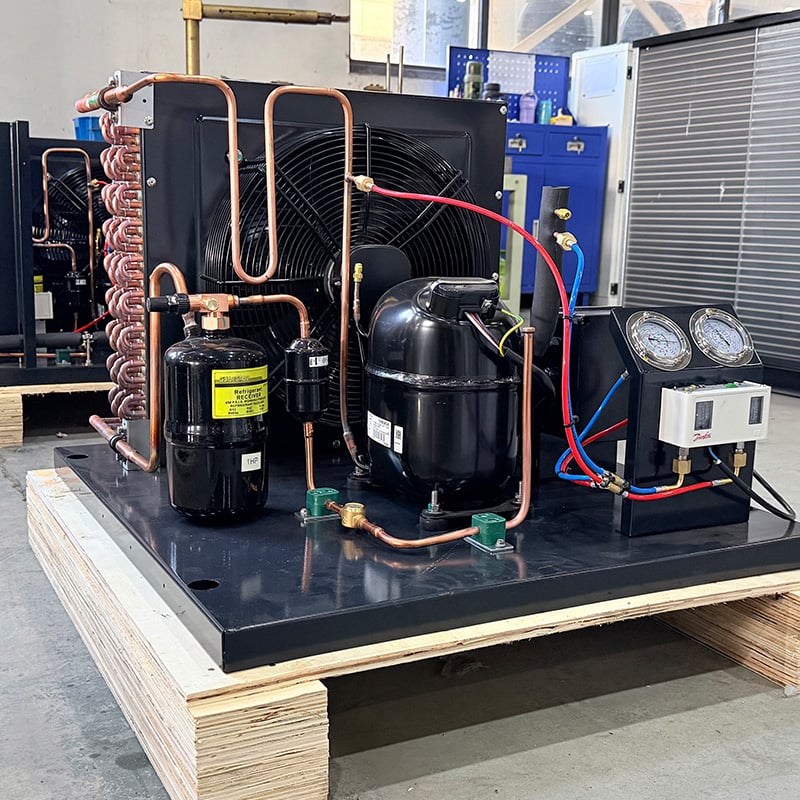
Proper installation is crucial for the optimal operation of air cooled refrigeration condenser units. Here are key guidelines to follow:
Location: Choose a site with adequate airflow and access for maintenance. Avoid locations that are prone to debris accumulation or extreme weather conditions.
Mounting: Ensure the unit is securely mounted and level to prevent vibrations that can lead to premature wear or failure. Use vibration isolators if necessary to minimize noise and disruption.
Piping Connections: Follow manufacturer guidelines for refrigerant piping and ensure all connections are tight to prevent leaks. Use the appropriate materials for insulation and support.
Electrical Connections: Verify that electrical installations comply with local codes. Ensure that the power supply matches the unit’s requirements to prevent electrical failures.
Testing: After installation, conduct a thorough system check. Monitor performance during initial operation to ensure that cooling capacity and efficiency meet expectations. Pay attention to any unusual sounds or vibrations.
Regular Maintenance: Schedule routine inspections and maintenance to prolong the lifespan of the condenser unit. Clean fans and coils regularly and check for refrigerant leaks. Following these installation guidelines can help avoid common problems and enhance the unit’s performance and reliability.
A modern factory of over 40,000 square meters is available to fulfill the majority of EMTH demands for production.
Complete service program, from formulating of plans, production of Cold room as well as project landing until after-sales service, there are specific docking.
We have more than 20 years of experience and an experienced R&D EMTH.
EMTH EMTH has a track record in the field with over 3,000+ happy customers.

Welcome to EMTH, a cold storage refrigeration equipment specialist in China! We offer innovative and effective cold storage solutions, including cold storage, evaporator, condensing unit and ice machine.
Room 304-305B, Building 5, BESHINE B.P, No. 559Zhuyuan Road, Minhang District 201112, Shanghai, China
Copyright © Shanghai EMTH Import & Export Co., Ltd. All Rights Reserved. - Privacy Policy
 EN
 AR
 BG
 HR
 CS
 DA
 NL
 FI
 FR
 DE
 EL
 IT
 JA
 KO
 NO
 PL
 PT
 RO
 RU
 ES
 TL
 IW
 ID
 LT
 SR
 VI
 HU
 TH
 MS
 AZ
 JW
 LO
 MN
 SO
 MY
 KK
 TG
 UZ
 GD
 XH