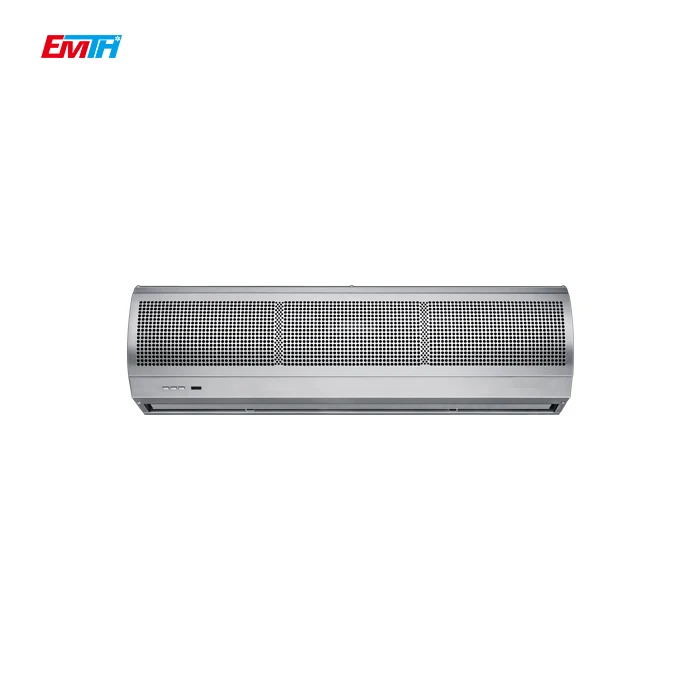
Wall mounted evaporators for walk-in coolers are essential components in commercial refrigeration systems, designed to maintain optimal temperatures for perishable goods. As a professional buyer, purchasing manager, or engineer, you may be concerned about product specifications, supplier reliability, and installation requirements. This article seeks to provide you with the necessary insights into selecting the right wall mounted evaporator, evaluating supplier quality, and ensuring proper installation and maintenance.
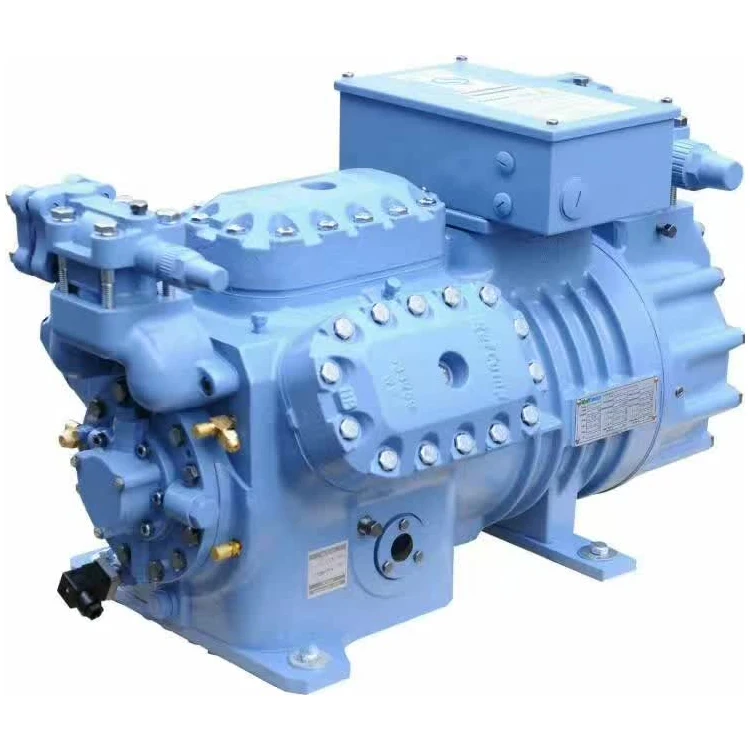
Finding trustworthy suppliers for wall mounted evaporators involves researching manufacturers with a solid reputation in the refrigeration industry. Look for companies that have extensive experience, ideally over 20 years, and a proven track record of innovation, such as holding multiple patents. Suppliers who offer comprehensive cold room solutions can also provide added value through their expertise in system integration. Additionally, consider checking their offerings in Bitzer Condensing Unit to ensure they cover all necessary components.
Check for certifications and quality control processes that ensure the reliability of their products. Online reviews, case studies, and customer testimonials can also provide insight into a supplier's credibility. It can be beneficial to attend industry trade shows or exhibitions, where you can meet suppliers face-to-face and discuss your specific requirements in detail.
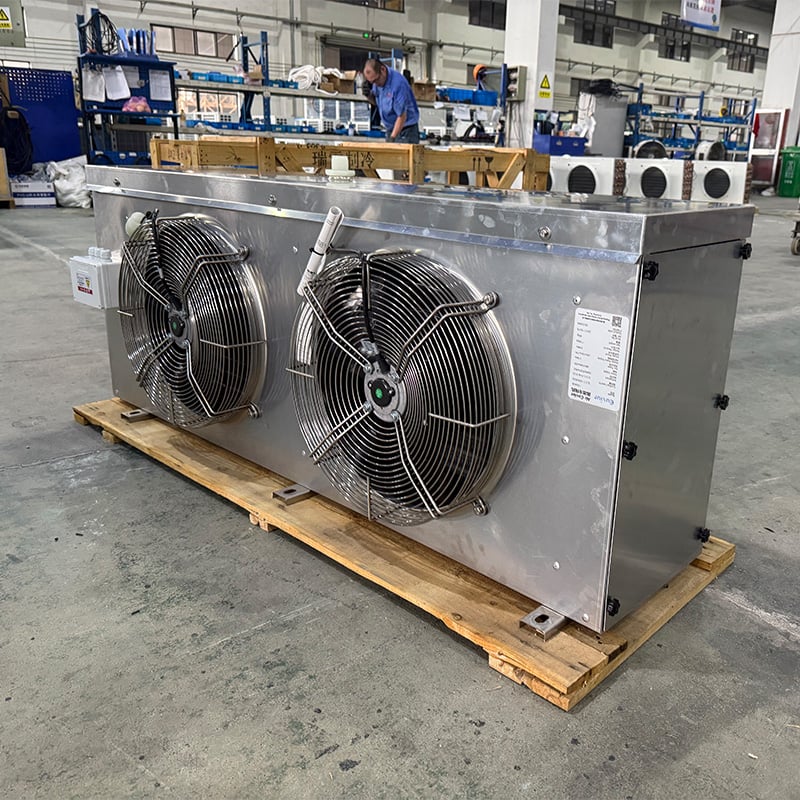
When evaluating wall mounted evaporators for walk-in coolers, several specifications are critical:
Cooling Capacity: Measured in BTUs or tons, this determines the evaporator's ability to maintain the required temperature in your cooler. Ensure that the capacity matches your cooling needs based on the size of the space and the type of goods stored.
Material Construction: Look for evaporators made from durable materials that can withstand moisture and temperature fluctuations. Stainless steel or aluminum are commonly used due to their corrosion resistance and longevity.
Airflow Design: The evaporator's airflow pattern affects cooling efficiency. Options may include blow-through or draw-through designs, which can impact how evenly temperatures are distributed throughout the cooler. For optimal airflow, you may also want to consider the H Type Condensing Units as part of your system.
Energy Efficiency: Check for energy efficiency ratings, as this will affect operating costs. Energy-efficient models may have higher upfront costs but can lead to savings over time.
Size and Dimensions: Ensure that the dimensions of the evaporator fit the available space in your cooler. Proper sizing is crucial to avoid inefficient cooling and airflow issues.
Understanding these specifications will help you select an evaporator that meets your operational needs and ensures reliable performance.
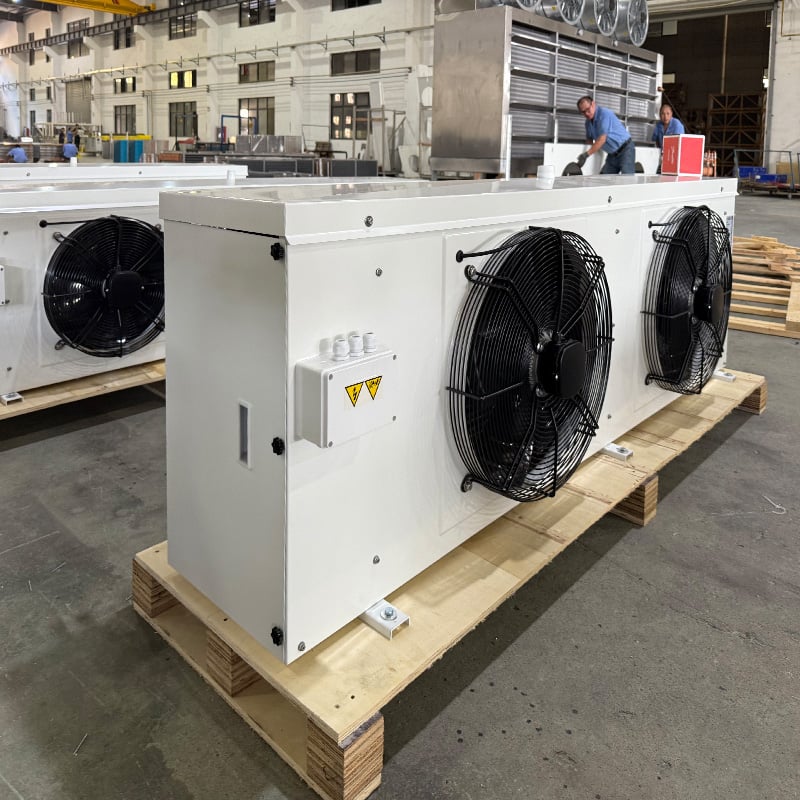
Quality evaluation is vital before making a purchase. Here are some key aspects to consider:
Inspection Certifications: Verify if the manufacturer adheres to industry standards and holds quality certifications, which can indicate commitment to quality and reliability.
Material Quality: Assess the materials used in construction. For instance, thicker aluminum may offer better performance and longevity than thinner alternatives.
Testing Protocols: Inquire about the testing protocols employed during manufacturing. A robust quality control process should include performance testing under various conditions to ensure that each unit meets specified standards.
Warranty and Support: A solid warranty can provide peace of mind. Check the warranty terms and the availability of customer support for troubleshooting and maintenance.
Sample Approval: Before committing to a large order, request a sample unit. Testing a sample for performance and fit can help prevent issues during full-scale implementation.
Evaluating these factors will lead to informed purchasing decisions, minimizing the risk of product failures and inefficiencies.
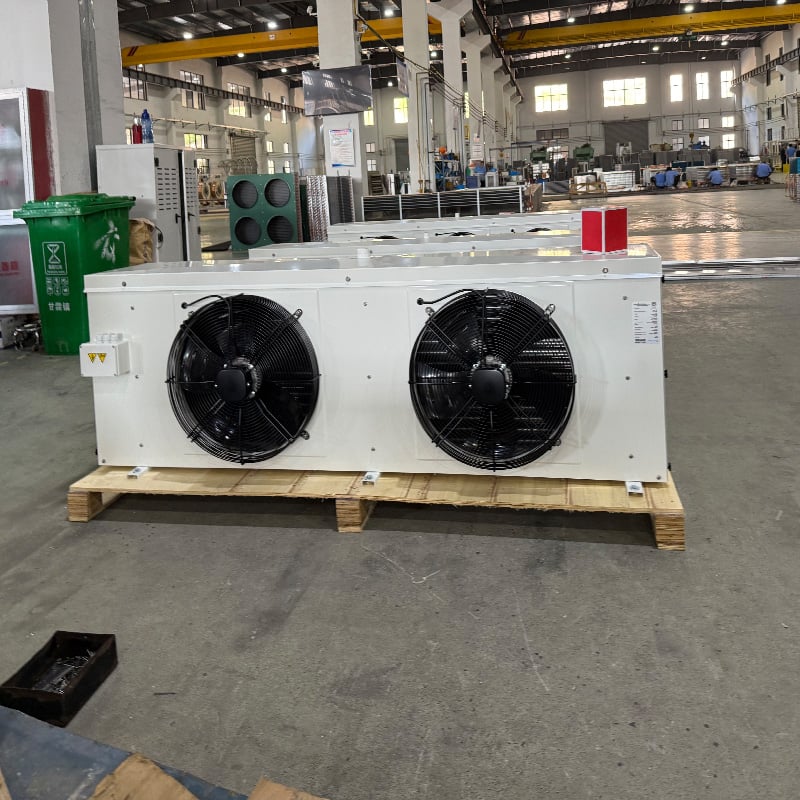
Proper installation of wall mounted evaporators is crucial for optimal performance. Here are key steps and considerations:
Site Preparation: Ensure that the installation site is clean and free from debris. Check for adequate space for the evaporator unit, keeping in mind airflow requirements.
Mounting Height: Typically, wall mounted evaporators should be installed at a height that allows for effective air circulation. Consult the manufacturer's recommendations for ideal mounting heights.
Electrical and Refrigerant Connections: Ensure that all electrical wiring is compliant with local codes and that refrigerant lines are properly connected and insulated to prevent leaks.
Testing After Installation: Once the unit is installed, conduct a thorough test to ensure it operates correctly. Monitor for any unusual noises or vibrations, which may indicate installation issues.
Regular Maintenance: After installation, establish a maintenance schedule to check for ice buildup, clean filters, and ensure that the evaporator continues to function efficiently.
Following these installation guidelines will enhance the longevity and performance of your wall mounted evaporator, ensuring your cold storage operates effectively.
Complete service program, from formulating of plans to the production and Ice maker for under counter, to after-sales service, there are specific docking.
Over 20 years of experience, we have the complete sales and after-sales systems with more than 20 patents and a professional R&D EMTH team.
With a great reputation in the business and over 3,000+ clients that they have served, EMTH EMTH is a trustworthy established supplier that is praised by its clients.
A modern facility of more than 40,000 square meters is available to meet the majority of EMTH requirements.

Welcome to EMTH, a cold storage refrigeration equipment specialist in China! We offer innovative and effective cold storage solutions, including cold storage, evaporator, condensing unit and ice machine.
Room 304-305B, Building 5, BESHINE B.P, No. 559Zhuyuan Road, Minhang District 201112, Shanghai, China
Copyright © Shanghai EMTH Import & Export Co., Ltd. All Rights Reserved. - Privacy Policy
 EN
 AR
 BG
 HR
 CS
 DA
 NL
 FI
 FR
 DE
 EL
 IT
 JA
 KO
 NO
 PL
 PT
 RO
 RU
 ES
 TL
 IW
 ID
 LT
 SR
 VI
 HU
 TH
 MS
 AZ
 JW
 LO
 MN
 SO
 MY
 KK
 TG
 UZ
 GD
 XH