Wall mounted evaporators for walk-in freezers are essential components in refrigeration systems, providing efficient cooling for large storage spaces. As a purchasing manager or distributor, your main concerns may revolve around ensuring optimal performance, energy efficiency, and reliability of these units. This article will guide you through key specifications, selection criteria, sourcing options, cost factors, and common issues associated with wall mounted evaporators, empowering you to make informed purchasing decisions.
When evaluating wall mounted evaporators, several specifications are crucial to ensure they meet your operational requirements. Key specifications include:
Cooling Capacity: Measured in BTUs, this indicates the amount of heat the evaporator can remove from the space. It’s essential to select a unit with a capacity that matches the volume and intended use of your walk-in freezer, such as a Bitzer Condensing Unit for optimal performance.
Airflow Rate: Expressed in CFM (cubic feet per minute), the airflow rate affects how evenly the cold air circulates within the freezer. Insufficient airflow may lead to temperature inconsistencies.
Coil Material: Copper and aluminum are common materials for evaporator coils. Copper offers superior thermal conductivity, while aluminum is more resistant to corrosion. Your choice may depend on your specific application and environmental conditions.
Defrost Method: The evaporator can use either a manual or automatic defrost system. Automatic defrost systems are more convenient and ensure consistent operation, while manual systems require regular intervention.
Dimensions and Mounting Options: Ensure the dimensions fit within your installation space. Wall mounted evaporators should be easily accessible for maintenance and cleaning, especially models like the YH Type Condenser.
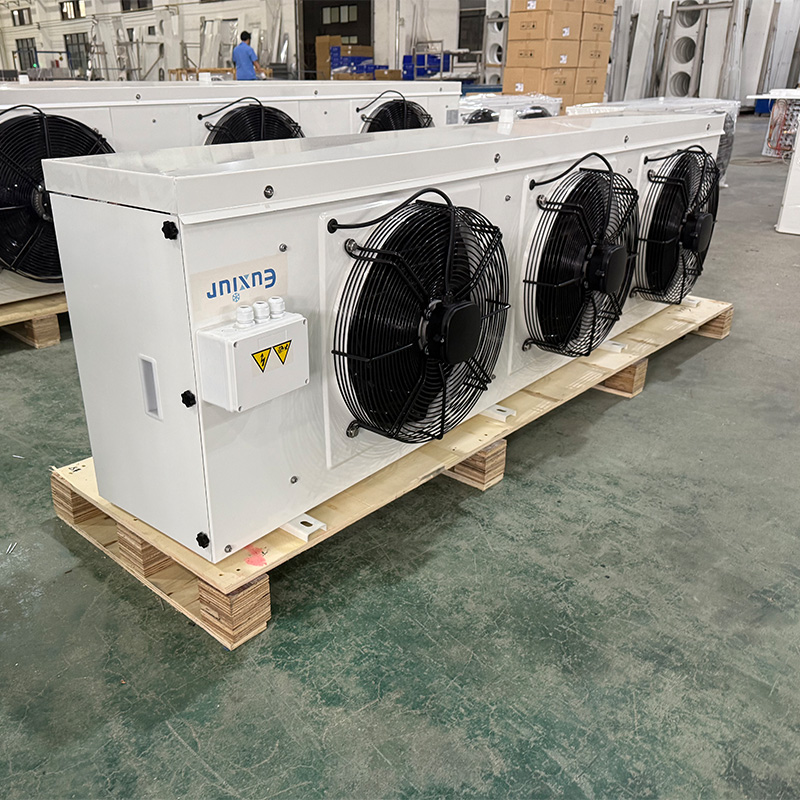
Selecting the appropriate wall mounted evaporator involves understanding your specific requirements. Here are some considerations:
Application Type: Different applications, such as food storage or pharmaceutical storage, may require varying temperature ranges and humidity controls. Assess the specific needs of your application.
Size and Layout of the Freezer: Evaluate the dimensions of your walk-in freezer to determine the cooling capacity required. Larger spaces may need multiple units or a higher capacity evaporator.
Energy Efficiency: Look for evaporators with high energy efficiency ratings (EER or SEER). Energy-efficient models can reduce operational costs and minimize environmental impact.
Noise Level: Consider the noise level of the unit, especially if the walk-in freezer is located near work areas. Choose models known for quieter operation if sound is a concern.
Custom Features: Depending on your application, you may require customized features, such as specialized coatings for corrosion resistance or specific control systems. Discuss these needs with your supplier.
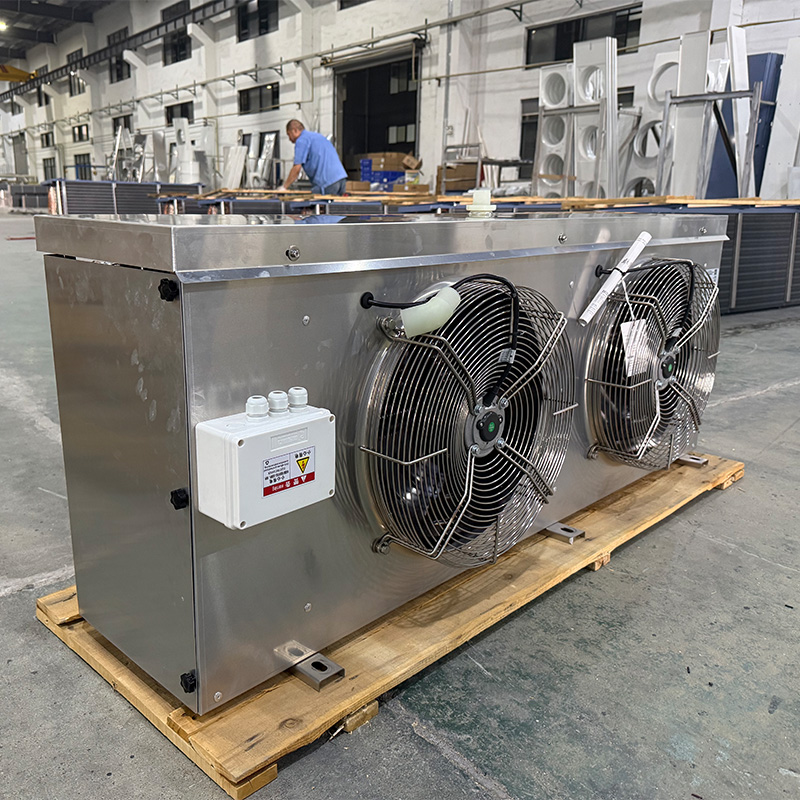
Sourcing high-quality wall mounted evaporators involves identifying reliable suppliers who understand the refrigeration market. Here are some strategies:
Industry Trade Shows: Attending trade shows allows you to meet manufacturers and suppliers in person. You can evaluate products directly, ask questions, and establish relationships.
Online Marketplaces and Directories: Use platforms like Alibaba, ThomasNet, or industry-specific directories to find manufacturers. Look for those with solid reviews and a history of reliability.
Manufacturer Recommendations: Contact manufacturers like Shanghai EMTH, which specializes in refrigeration equipment, for direct quotes and product information. Their experience in the industry can provide valuable insights.
Local Distributors: Partnering with local distributors may offer faster delivery and easier support. Ensure they carry reputable brands and have a good track record in customer service.
Request Samples: Before placing a bulk order, request samples to evaluate the product quality and performance. This step can help avoid costly mistakes.
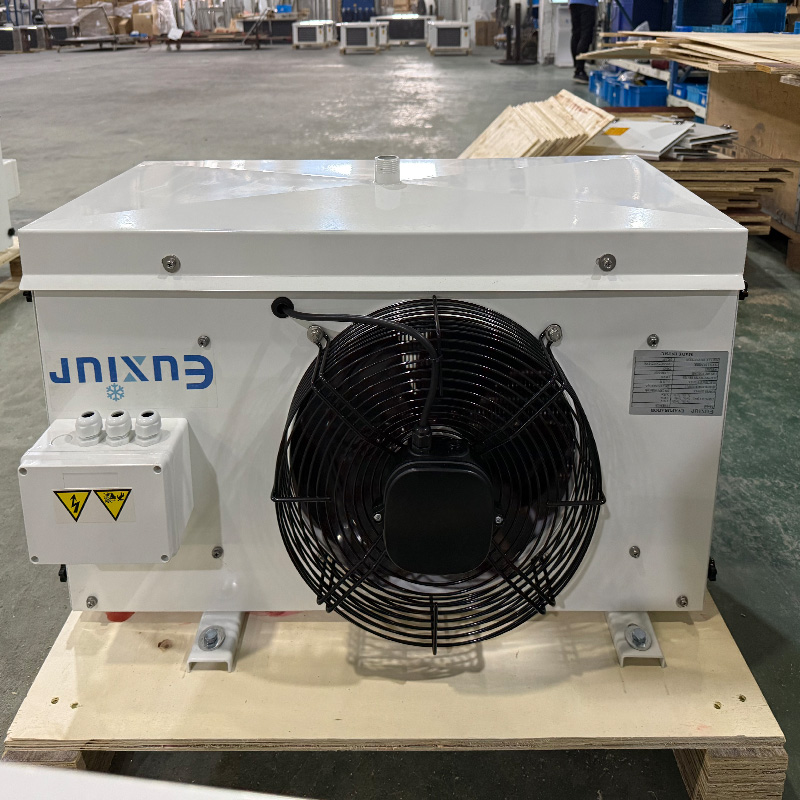
When purchasing wall mounted evaporators in bulk, several cost factors should be taken into account:
Unit Price: The initial cost of the evaporator is influenced by factors like brand, specifications, and features. Compare prices from different suppliers to ensure competitive pricing.
Shipping and Handling: Consider shipping costs, which may vary based on distance and shipping method. Bulk orders often benefit from reduced shipping costs per unit.
Customizations: If you require custom features, such as specific coil materials or sizes, factor in the additional costs associated with these modifications.
Volume Discounts: Many suppliers offer discounts for bulk purchases. Inquire about price breaks for larger orders to maximize your investment.
Maintenance and Operating Costs: Beyond the purchase price, consider the long-term operational costs, including energy consumption and maintenance. Energy-efficient units may have a higher upfront cost but yield savings over time.
EMTH EMTH has a solid track record in the field, with over 3,000+ happy customers.
A modern plant of over 4000 square meters is in operation to meet the majority Refrigeration condenser production requirements.
After more than 20 years of expertise, we've got full sales and production and after-sales process with more than 20 patent certificates and a skilled R&D EMTH team.
Special docking is offered for a complete service. This includes the design of Coldrooms, production installation, landing projects, and after-sales support.

Welcome to EMTH, a cold storage refrigeration equipment specialist in China! We offer innovative and effective cold storage solutions, including cold storage, evaporator, condensing unit and ice machine.
Room 304-305B, Building 5, BESHINE B.P, No. 559Zhuyuan Road, Minhang District 201112, Shanghai, China
Copyright © Shanghai EMTH Import & Export Co., Ltd. All Rights Reserved. - Privacy Policy
 EN
 AR
 BG
 HR
 CS
 DA
 NL
 FI
 FR
 DE
 EL
 IT
 JA
 KO
 NO
 PL
 PT
 RO
 RU
 ES
 TL
 IW
 ID
 LT
 SR
 VI
 HU
 TH
 MS
 AZ
 JW
 LO
 MN
 SO
 MY
 KK
 TG
 UZ
 GD
 XH