A wall mounted evaporator is a key component in refrigeration systems, designed to efficiently remove heat from the environment. For B2B buyers, such as purchasing managers and engineers, understanding the intricacies of wall mounted evaporators is critical. This article will delve into essential specifications, quality evaluation criteria, common issues, and diverse applications, providing a comprehensive guide to help you make informed purchasing decisions.
When selecting a wall mounted evaporator, it's crucial to understand the specifications that directly impact performance and suitability for your application. Key specifications include:
Cooling Capacity: This is measured in BTUs (British Thermal Units) and indicates how much heat the evaporator can remove from a space within a specific timeframe. It’s essential to match this capacity with the cooling requirements of your application to avoid over or under-sizing. If you're considering a high-performance solution, look into the Bitzer Condensing Unit for optimal efficiency.
Material Composition: The materials used in the evaporator, commonly aluminum or copper, affect durability and heat transfer efficiency. Copper, for instance, offers excellent thermal conductivity, while aluminum is lighter and often more cost-effective.
Dimensions: Ensure the evaporator's size fits your installation space. Consider the mounting height and the available airflow for optimal performance.
Operating Environment: Specifications should also detail the temperature range and humidity levels the evaporator can handle, ensuring it meets the conditions of your specific application.
Energy Efficiency Rating: Look for models that offer high energy efficiency ratings to reduce operational costs and meet environmental regulations. The H Type Condensing Units are known for their energy efficiency.
Understanding these specifications will help you select a wall mounted evaporator that aligns with your project's requirements.
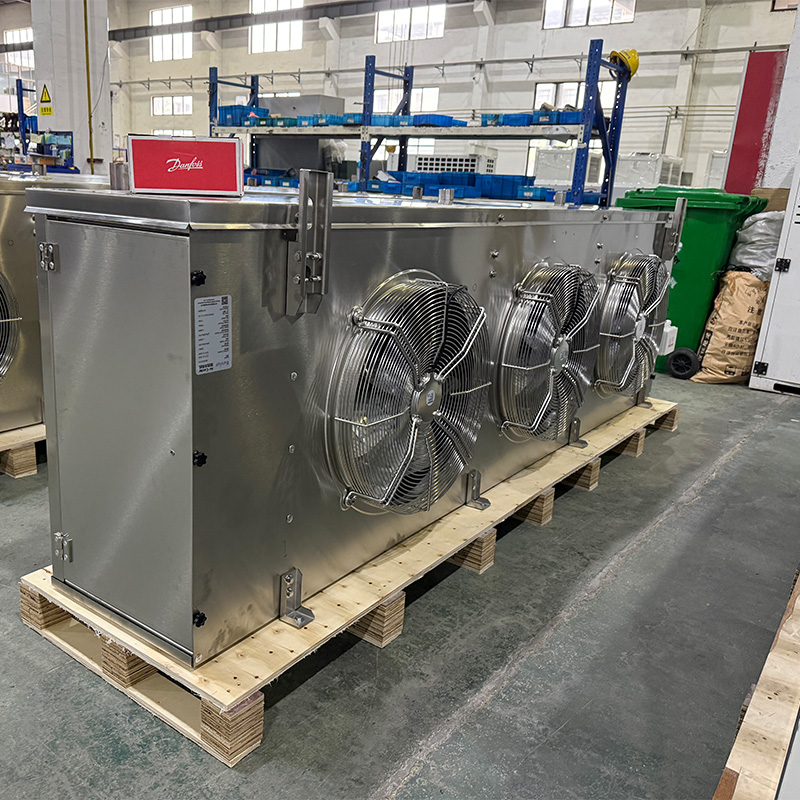
Quality assessment of wall mounted evaporators involves several critical factors:
Manufacturing Standards: Verify that the manufacturer adheres to international quality standards, such as ISO certifications. This ensures that the evaporators undergo rigorous quality control processes during production.
Testing Procedures: Ensure the products undergo comprehensive testing for performance, including pressure testing, leak detection, and efficiency assessments. Quality assurance during these phases can prevent operational failures later.
Material Quality: Assess the raw materials used in construction. High-quality materials enhance durability and thermal performance, contributing to the overall lifespan of the evaporator.
Warranty and Support: A robust warranty indicates the manufacturer's confidence in their product quality. Additionally, reliable customer support is essential for addressing any issues that arise post-purchase.
User Reviews and Case Studies: Research feedback from existing users and case studies related to similar applications. This can provide insights into real-world performance and reliability.
By focusing on these factors, you can effectively evaluate the quality of wall mounted evaporators before making a purchase.
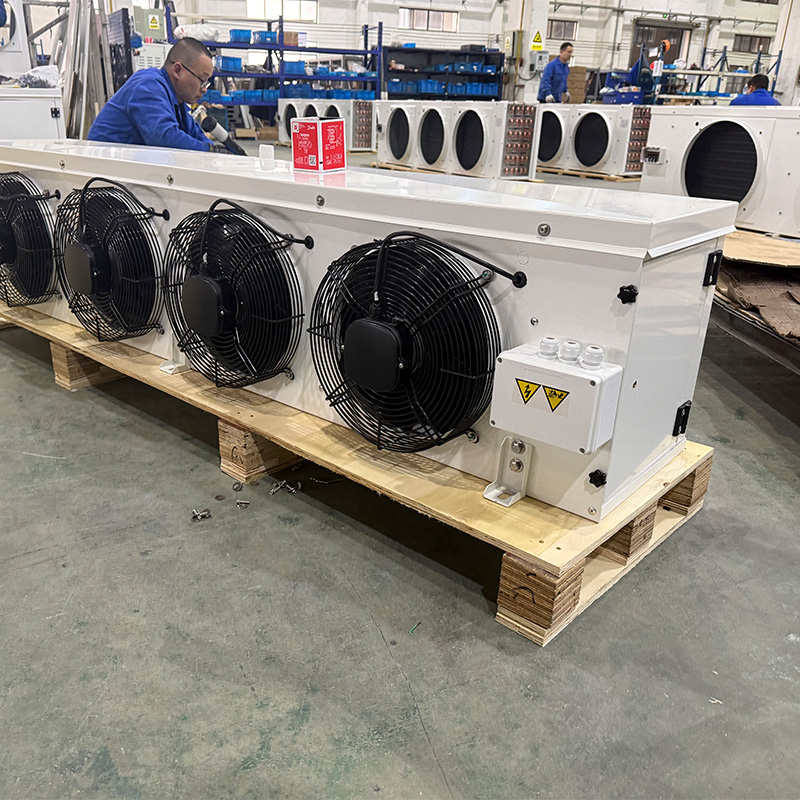
Despite their efficiency, wall mounted evaporators can encounter several common issues:
Poor Cooling Performance: This can arise from improper sizing or installation. Always ensure that the evaporator is correctly matched to the cooling load and is installed as per manufacturer guidelines.
Frost Build-Up: Excessive frost can occur due to low refrigerant levels or airflow restrictions. Regular maintenance and checks on refrigerant levels, as well as ensuring unobstructed airflow, can mitigate this issue.
Noise: Unusual sounds can indicate operational issues, such as loose components or debris in the unit. Regular inspections can help identify and rectify these problems early.
Leaking Refrigerant: If a leak is suspected, immediate action is required to avoid environmental hazards and system inefficiency. Engage a qualified technician to locate and repair leaks promptly.
Electrical Failures: Issues with the electrical components can lead to malfunctions. Regular checks on wiring and connections are essential to prevent such failures.
Being aware of these common problems and their solutions ensures that you can maintain optimal performance from your wall mounted evaporators.
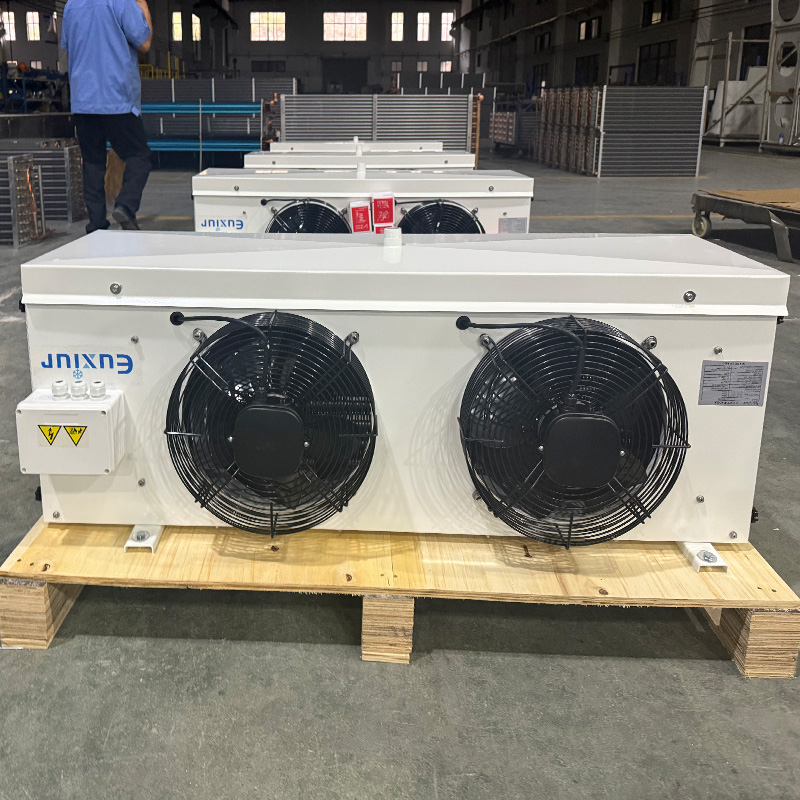
Wall mounted evaporators are versatile and find applications across multiple industries:
Food and Beverage: In commercial kitchens and food storage areas, these evaporators maintain optimal temperature for perishable goods, ensuring food safety and quality.
Pharmaceuticals: In the pharmaceutical industry, precise temperature control is crucial for storing sensitive products. Wall mounted evaporators provide reliable cooling solutions in laboratory environments.
Retail: Supermarkets and convenience stores utilize wall mounted evaporators in display cases to keep products fresh and appealing to customers.
Industrial Cooling: Manufacturing facilities often require climate control for equipment and processes. These evaporators help manage ambient temperatures effectively.
HVAC Systems: In residential and commercial HVAC systems, wall mounted evaporators can enhance air conditioning efficiency, providing effective cooling solutions in various settings.
Understanding these applications can aid in selecting the right evaporator for your specific industry needs.
Special docking is offered to provide a full range of service. This includes the creation of Cuber ice machine, production installations, landing plans, and after-sales support.
A modern factory of over 40,000 square meters is available to fulfill the majority of EMTH demands for production.
With a great reputation in the industry with over 3,000+ clients served, EMTH EMTH is a trustworthy known and dependable supplier that has been recognized by other clients.
After more than 20 years of expertise, we've got full sales and production and after-sales process with more than 20 patent certificates and a skilled R&D EMTH team.

Welcome to EMTH, a cold storage refrigeration equipment specialist in China! We offer innovative and effective cold storage solutions, including cold storage, evaporator, condensing unit and ice machine.
Room 304-305B, Building 5, BESHINE B.P, No. 559Zhuyuan Road, Minhang District 201112, Shanghai, China
Copyright © Shanghai EMTH Import & Export Co., Ltd. All Rights Reserved. - Privacy Policy
 EN
 AR
 BG
 HR
 CS
 DA
 NL
 FI
 FR
 DE
 EL
 IT
 JA
 KO
 NO
 PL
 PT
 RO
 RU
 ES
 TL
 IW
 ID
 LT
 SR
 VI
 HU
 TH
 MS
 AZ
 JW
 LO
 MN
 SO
 MY
 KK
 TG
 UZ
 GD
 XH