Industrial evaporators for walk-in coolers are critical components in refrigeration systems, ensuring that temperature control is maintained for perishables and frozen goods. For B2B buyers, the main concerns include efficiency, reliability, and compatibility with existing systems. This article will guide you through the essential considerations when selecting and sourcing industrial evaporators, helping you make informed purchasing decisions that align with your operational needs.
Selecting the right industrial evaporator for your walk-in cooler involves several key considerations. First, assess the cooling capacity required for your application. This is typically measured in British Thermal Units (BTUs) and should align with the size of your cooler and the types of products being stored.
Next, consider the evaporator type: direct expansion (DX) or flooded. DX systems are more common in commercial applications due to their energy efficiency and lower refrigerant charges. However, flooded systems might be more suitable for larger installations requiring consistent temperature control.
The material of the evaporator also plays a crucial role. Copper and aluminum are popular due to their excellent thermal conductivity, but ensure that the material is compatible with the refrigerant you plan to use. The design features, such as fin spacing and surface area, should also be examined as they impact the evaporator's efficiency and maintenance needs.
Lastly, consult with manufacturers about customization options to ensure the evaporator fits seamlessly into your existing refrigeration setup. For example, consider looking into H Type Condensing Units as they may offer compatibility with various systems.
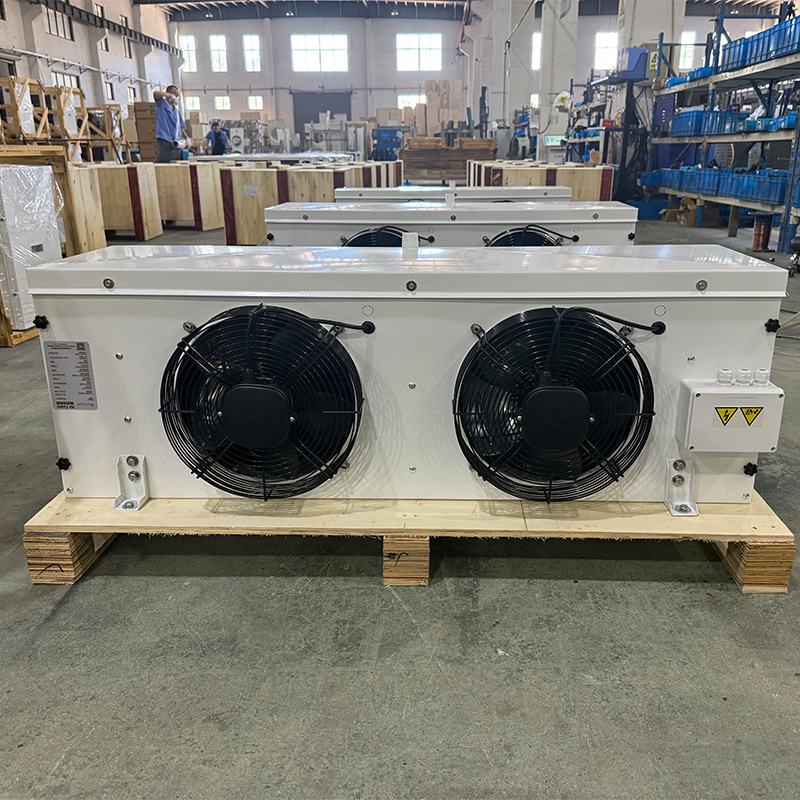
When sourcing industrial evaporators wholesale, it's essential to evaluate potential suppliers based on their manufacturing capabilities and track record. Look for manufacturers with a long-standing presence in the refrigeration industry, such as Shanghai EMTH, which has over 20 years of experience and a robust portfolio of patents in refrigeration technology.
Check if the supplier offers a one-stop cold room solution, as this can simplify the procurement process and ensure compatibility across components. Industry certifications are also a good indicator of quality, so inquire about compliance with relevant standards.
Additionally, consider suppliers that provide detailed product specifications and customization options. This ensures that you can meet specific operational requirements and avoid costly mistakes in the ordering process. Don’t hesitate to request samples or prototypes to assess the quality and performance of the evaporators before committing to larger orders. Furthermore, you may want to explore options like the Euxiur High Efficiency Evaporator for enhanced performance.
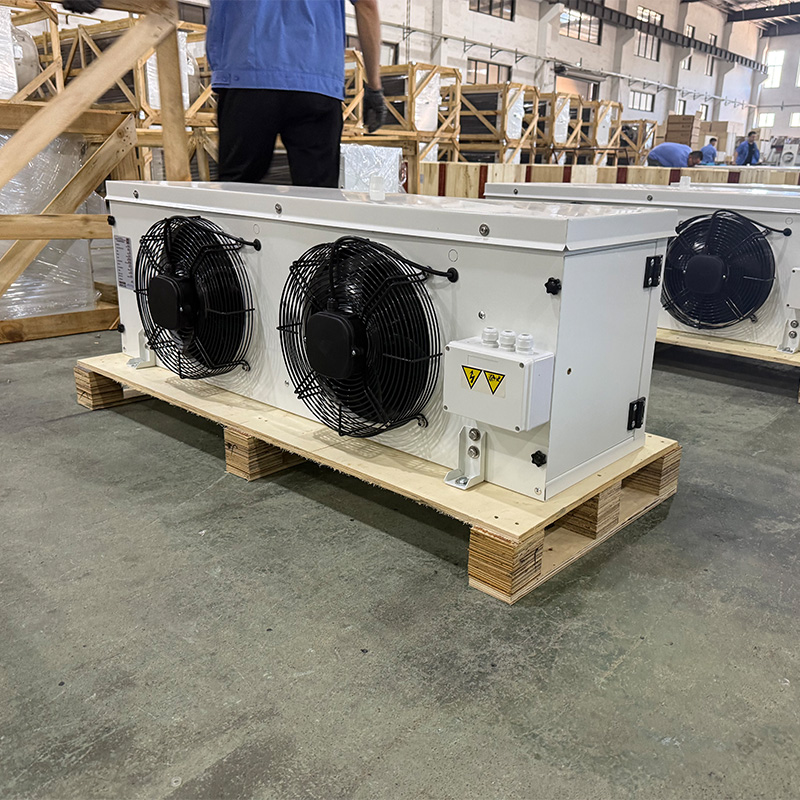
Industrial evaporators are widely used in various applications within the refrigeration sector. In walk-in coolers, they are primarily used for food storage, ensuring that perishable goods such as meats, dairy products, and produce maintain optimal temperatures to prevent spoilage.
Beyond food storage, industrial evaporators are critical in pharmaceutical and chemical industries where temperature control is vital for product integrity. They are also employed in cold storage facilities, transportation refrigeration systems, and ice-making applications.
Each application may have specific requirements regarding temperature ranges, humidity control, and airflow, so it's vital to choose an evaporator that is designed for the intended use case. Discuss your application needs with suppliers to ensure you select an evaporator that meets the operational demands.
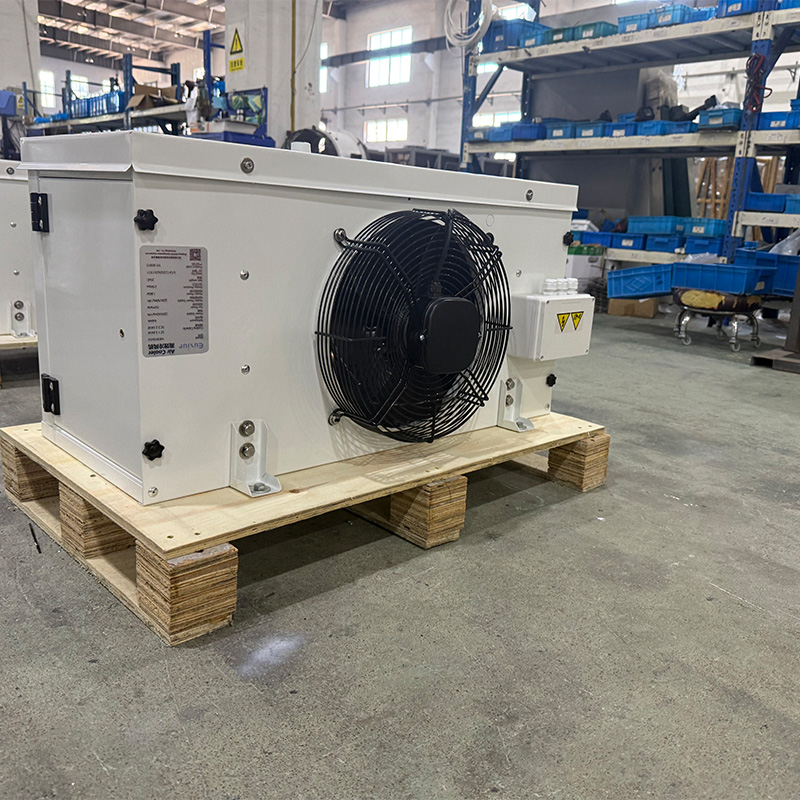
When comparing industrial evaporators, focus on the following features:
Cooling Capacity: Measure in BTUs, this determines how effectively an evaporator can maintain desired temperatures.
Material Construction: Copper and aluminum are standard, but assess the durability and corrosion resistance based on your operational environment.
Design Efficiency: Check the fin design and spacing; these impact the heat exchange efficiency and overall energy consumption.
Maintenance Requirements: Consider models that offer easy access for cleaning and maintenance, as this will reduce downtime and labor costs.
Noise Levels: For installations in customer-facing areas, noise can be a concern. Look for evaporators designed for quieter operation.
Warranty and Support: Evaluate the warranty offered by the manufacturer, as well as the availability of customer support for troubleshooting and maintenance.
By focusing on these features, distributors can make informed decisions that enhance customer satisfaction and operational efficiency.
We have more than 20 years of experience and an experienced R&D EMTH.
A modern plant of over 40000 square meters is in place to meet the majority Ice maker for under counter demands for production.
Special docking is available for a complete system of service. It includes creation of plans, Ice cube machine, landing plans, and after-sales support.
With a strong reputation in the business and over 3,000+ clients that they have served, EMTH EMTH is a trustworthy, proven supplier that has been acknowledged by other clients.

Welcome to EMTH, a cold storage refrigeration equipment specialist in China! We offer innovative and effective cold storage solutions, including cold storage, evaporator, condensing unit and ice machine.
Room 304-305B, Building 5, BESHINE B.P, No. 559Zhuyuan Road, Minhang District 201112, Shanghai, China
Copyright © Shanghai EMTH Import & Export Co., Ltd. All Rights Reserved. - Privacy Policy
 EN
 AR
 BG
 HR
 CS
 DA
 NL
 FI
 FR
 DE
 EL
 IT
 JA
 KO
 NO
 PL
 PT
 RO
 RU
 ES
 TL
 IW
 ID
 LT
 SR
 VI
 HU
 TH
 MS
 AZ
 JW
 LO
 MN
 SO
 MY
 KK
 TG
 UZ
 GD
 XH