Choosing the right monoblock condensing unit for a walk-in cooler is crucial for maintaining optimal refrigeration performance. Buyers often face concerns about the unit's efficiency, compatibility with existing systems, and long-term operational costs. , we will explore key factors to consider when selecting a monoblock condensing unit, compare specifications, discuss quality control measures, provide installation guidance, and address common problems and solutions for these units.
When selecting a monoblock condensing unit for your walk-in cooler, several critical factors should guide your decision. Start by assessing the cooling capacity, typically measured in BTUs or tons, to ensure the unit can efficiently maintain the desired temperature for your specific application. Pay attention to the energy efficiency rating (EER) or coefficient of performance (COP); units with higher ratings will reduce energy consumption and lower operating costs.
Next, consider the refrigerant type used in the unit. Common options include R-404A and R-134A, each with distinct environmental impacts and performance characteristics. Ensure that the refrigerant aligns with your operational requirements and regulatory compliance.
Additionally, evaluate the physical dimensions and compatibility with your existing infrastructure. Monoblock units come in various sizes, and the installation space must accommodate the unit's footprint and any required airflow clearance.
Customization options can also be vital, especially if your application has unique requirements. Discuss with suppliers about tailored solutions that can meet specific performance or design needs. You may also want to consider the H Type Condensing Units as an alternative for specific applications.
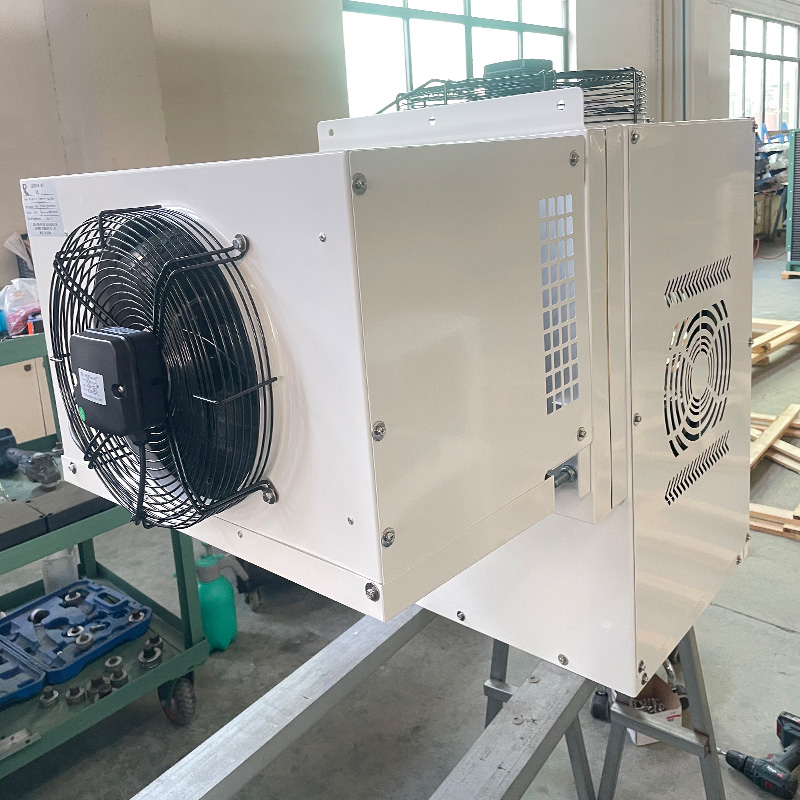
When comparing specifications of monoblock condensing units for coolers, several key parameters should be highlighted:
SpecificationImportanceCooling CapacityDetermines the unit's ability to maintain desired temperatures.Power ConsumptionAffects operating costs and energy efficiency.Refrigerant TypeImpacts cooling performance and environmental compliance.Noise LevelImportant for installations near workspaces.Compressor TypeAffects reliability and maintenance needs.Operating Temperature RangeEnsures suitability for specific applications.Dimensions & WeightEssential for installation feasibility.Understanding these specifications will allow buyers to make informed comparisons and select a unit that meets their operational needs while aligning with budgetary constraints.
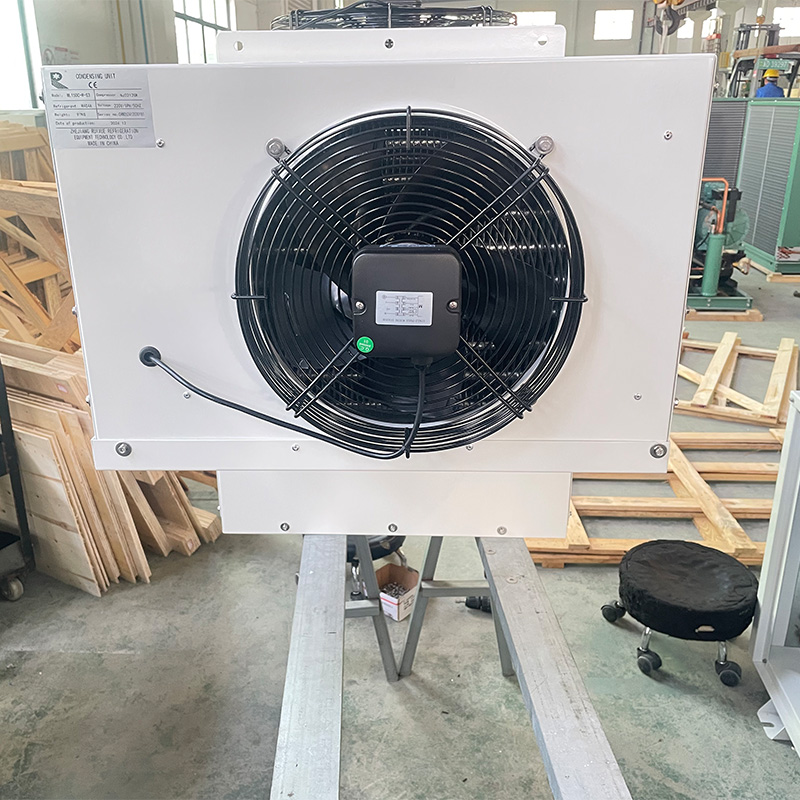
Quality control is a fundamental aspect of manufacturing that ensures the reliability and performance of monoblock condensing units. At Shanghai EMTH, we employ a comprehensive quality assurance program throughout the production process. This includes rigorous testing of components and completed units against industry standards.
Before mass production, we conduct prototype testing to validate performance under real-world conditions. This step is crucial, as minor variations in manufacturing can significantly impact unit efficiency and longevity. Additionally, we perform final inspections, focusing on aspects such as refrigerant leaks, mechanical integrity, and electrical safety, to ensure that each unit meets our high-quality standards before shipping.
We also encourage buyers to request quality documentation, including certification of compliance with relevant standards. This transparency helps build trust and ensures that the units will perform as expected.
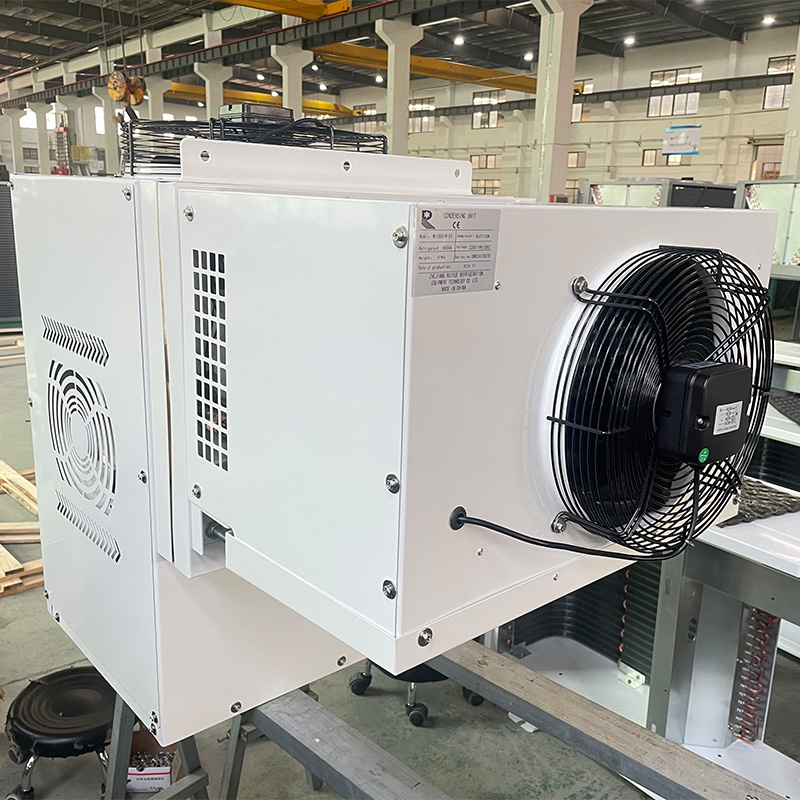
Proper installation of monoblock condensing units is critical to ensure optimal performance and longevity. Here are essential steps to follow during installation:
Location Selection: Choose a location that allows for adequate airflow around the unit. Ensure that the area is free from debris and obstacles that could obstruct airflow.
Mounting: Securely mount the unit according to the manufacturer's guidelines, paying attention to the specified mounting height and orientation to avoid water accumulation.
Electrical Connections: Ensure that electrical connections comply with local codes and manufacturer specifications. Using a dedicated circuit is often recommended to prevent power fluctuations that can affect performance.
Refrigerant Piping: Follow proper guidelines for refrigerant line installation, including insulation and slope for drainage. This step is crucial to prevent leaks and ensure efficient operation.
Commissioning: After installation, perform a commissioning process that includes checking refrigerant levels, verifying electrical connections, and testing system performance.
By adhering to these installation guidelines, you can enhance the performance and longevity of your monoblock condensing unit.
A modern factory of over 40000 square meters is in place to satisfy the majority of Condensing units requirements.
More than 20 years of of experience and a professional R&D EMTH staff.
With a strong reputation in the business and over 3,000+ clients that they have served, EMTH EMTH is a trustworthy, proven supplier that has been acknowledged by other clients.
Special docking is offered for a complete service. This includes the design of Coldrooms, production installation, landing projects, and after-sales support.

Welcome to EMTH, a cold storage refrigeration equipment specialist in China! We offer innovative and effective cold storage solutions, including cold storage, evaporator, condensing unit and ice machine.
Room 304-305B, Building 5, BESHINE B.P, No. 559Zhuyuan Road, Minhang District 201112, Shanghai, China
Copyright © Shanghai EMTH Import & Export Co., Ltd. All Rights Reserved. - Privacy Policy
 EN
 AR
 BG
 HR
 CS
 DA
 NL
 FI
 FR
 DE
 EL
 IT
 JA
 KO
 NO
 PL
 PT
 RO
 RU
 ES
 TL
 IW
 ID
 LT
 SR
 VI
 HU
 TH
 MS
 AZ
 JW
 LO
 MN
 SO
 MY
 KK
 TG
 UZ
 GD
 XH