Choosing the right cooling unit for cold rooms is a critical decision for businesses in various industries, including food storage, pharmaceuticals, and logistics. These units are essential for maintaining optimal temperatures in environments that require strict temperature control. We will explore key factors to consider when selecting a cooling unit for cold rooms, cost factors for bulk purchases, common issues and solutions, applications across different settings, and how to compare various cooling units for optimal performance.
When selecting a cooling unit for cold rooms, there are several critical factors to consider:
Temperature Requirements: Determine the specific temperature range your cold room needs to maintain. Different applications may require different temperature levels, which can affect the type of cooling unit required. For instance, food storage may need temperatures between -18°C to 4°C, while pharmaceutical storage may require even stricter controls.
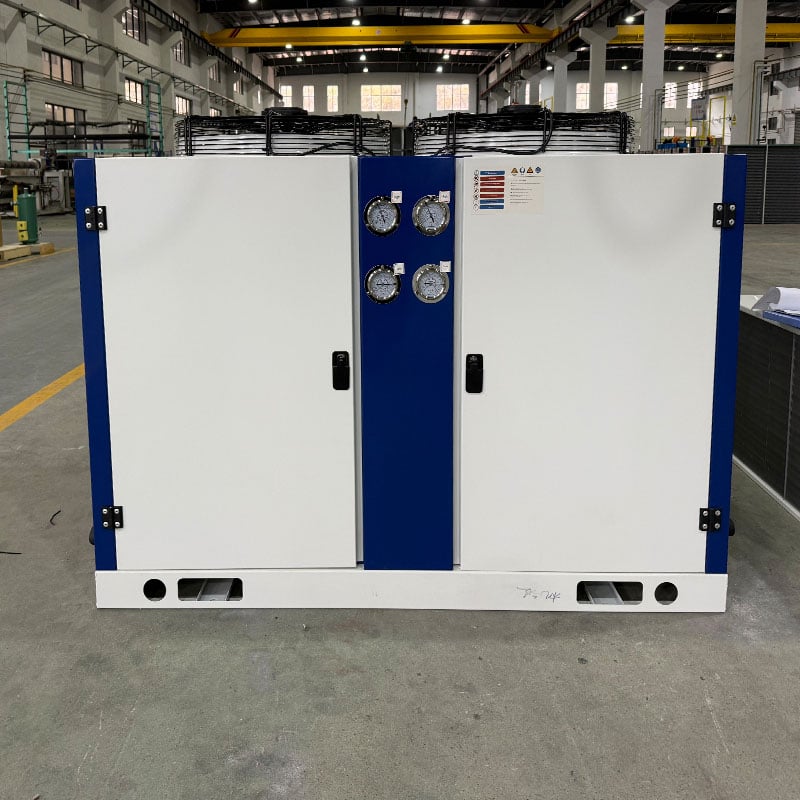
Size and Capacity: The size of the cooling unit should match the dimensions of your cold room and the volume of products stored. It’s essential to calculate the cooling capacity required, often measured in BTUs (British Thermal Units) or kilowatts (kW), to ensure the unit can handle the load effectively. Units like the Bitzer Condensing Unit are known for their reliability in various applications.
Energy Efficiency: Energy consumption is a significant cost factor. Look for units with high energy efficiency ratings that can help reduce operational costs over time. Units with variable speed compressors can also adjust their output based on the cooling demand, improving efficiency.
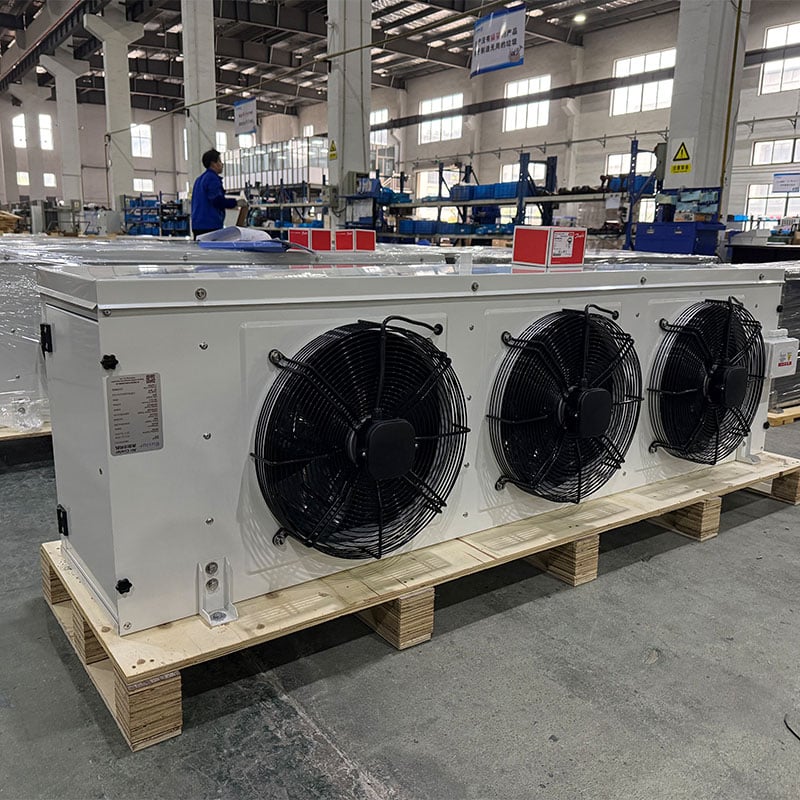
Air Distribution: The design of the cooling unit should ensure even air distribution throughout the cold room to avoid hot spots. Options include updraft or downdraft systems, which can be selected based on the room layout and storage configuration.
Material and Durability: The materials used in the cooling unit construction should withstand the cold environment and any potential exposure to moisture, particularly in food storage applications. Stainless steel and corrosion-resistant materials are often preferred for their durability and hygiene. Additionally, units such as the YH Type Condenser offer robust construction suitable for various conditions.
When considering a bulk purchase of cooling units, several cost factors come into play:
Unit Price: Bulk orders often come with discounted rates per unit. Buyers should request quotes from multiple suppliers to compare prices. Note that the cheapest option may not always provide the best value; consider the total cost of ownership, including energy efficiency and maintenance.
Shipping and Handling: Bulk purchases can incur significant shipping costs. Understanding the logistics and potential import duties is essential, especially for international orders. Additionally, consider the time frame for delivery, as extended lead times can affect your operation.
Installation Costs: Factor in the cost of installation, which may increase with the complexity of the cooling unit. Some units may require specialized installation or additional equipment, which can add to the overall expense.
Maintenance and Warranty: Evaluate the warranty and service agreements offered by the supplier. A good warranty can save costs in the long run. Additionally, consider the availability of replacement parts and maintenance services, as these can affect your operational downtime and repair costs.
Even the best cooling units can encounter issues that may disrupt operations. Here are some common problems and their solutions:
Insufficient Cooling: If the unit fails to maintain the required temperature, check for issues such as refrigerant leaks, dirty filters, or malfunctioning thermostats. Regular maintenance, including cleaning and inspections, can help prevent these problems.
Frost Build-up: Excessive frost can hinder performance. Ensure that the unit is adequately defrosted and that door seals are tight. Consider models with automatic defrost features for convenience.
Noisy Operation: Unusual noises may indicate mechanical issues. Inspect fans and compressors for wear and tear. Sometimes, simply tightening loose components can resolve the issue.
Energy Inefficiency: If energy costs are rising without a clear reason, it may be time to evaluate the unit’s performance. Check for proper insulation, dust accumulation, or mechanical issues affecting efficiency.
Cooling units for cold rooms are versatile and used in various applications, including:
Food Storage: In the food industry, maintaining strict temperature controls is crucial for safety and quality. Cooling units are used in warehouses, distribution centers, and retail storage to ensure compliance with health regulations and prolong shelf life.
Pharmaceuticals: For the pharmaceutical industry, cooling units must adhere to strict regulatory requirements. These units often require precise temperature control and monitoring to ensure medication efficacy and safety.
Floral and Horticultural Applications: Cooling units help maintain the freshness of flowers and plants by providing an optimal environment. Controlled temperature and humidity levels can significantly extend the lifespan of perishable goods.
Industrial Applications: Various industrial processes require cooling to prevent overheating of equipment or materials. Cooling units can be integrated into production lines to help maintain optimal conditions.
EMTH EMTH has a track record in the field with over 3,000+ happy customers.
After more than 20 years of expertise, we've got full sales and production and after-sales process with more than 20 patent certificates and a skilled R&D EMTH team.
Complete service system, from the creation of plans, Ice maker for commercial production and project landing, to after-sales services, there's special docking.
A modern plant of over 4000 square meters is in operation to meet the majority Ice maker for commercial production requirements.

Welcome to EMTH, a cold storage refrigeration equipment specialist in China! We offer innovative and effective cold storage solutions, including cold storage, evaporator, condensing unit and ice machine.
Room 304-305B, Building 5, BESHINE B.P, No. 559Zhuyuan Road, Minhang District 201112, Shanghai, China
Copyright © Shanghai EMTH Import & Export Co., Ltd. All Rights Reserved. - Privacy Policy
 EN
 AR
 BG
 HR
 CS
 DA
 NL
 FI
 FR
 DE
 EL
 IT
 JA
 KO
 NO
 PL
 PT
 RO
 RU
 ES
 TL
 IW
 ID
 LT
 SR
 VI
 HU
 TH
 MS
 AZ
 JW
 LO
 MN
 SO
 MY
 KK
 TG
 UZ
 GD
 XH