Choosing the right condensing unit for cold room storage is crucial for maintaining optimal temperature conditions in commercial refrigeration applications. As a key component in cold storage systems, these units significantly influence energy efficiency, reliability, and overall performance. B2B buyers, including purchasing managers and engineers, want to ensure that their chosen condensing unit meets specific operational needs while considering factors such as compatibility, cost, and application suitability. This article will guide you through essential considerations and specifications, helping you make an informed purchasing decision.
When selecting a condensing unit for cold room storage, several critical factors must be evaluated. First, consider the cooling capacity required for your specific application, which is generally measured in BTUs. This capacity must align with the dimensions and thermal load of the cold room to ensure efficient operation.
Next, assess the unit's refrigerant type. Common options include R-404A and R-410A, each with distinct environmental impacts and efficiency levels. Understanding local regulations regarding refrigerant use is essential, as these can vary significantly by region. For example, units like the Bitzer Condensing Unit can be a good option based on refrigerant compatibility.
Additionally, energy efficiency ratings, such as the Energy Efficiency Ratio (EER) and Coefficient of Performance (COP), should be reviewed. A higher rating indicates better efficiency, which can lead to significant cost savings over time. Buyers should also consider the noise level of the condensing unit, especially for installations in noise-sensitive environments.
Lastly, evaluate the manufacturer's support and warranty options. A reliable manufacturer, like Shanghai EMTH, with extensive experience in refrigeration equipment can provide valuable insights and after-sales service, which is critical for maintaining operational efficiency.
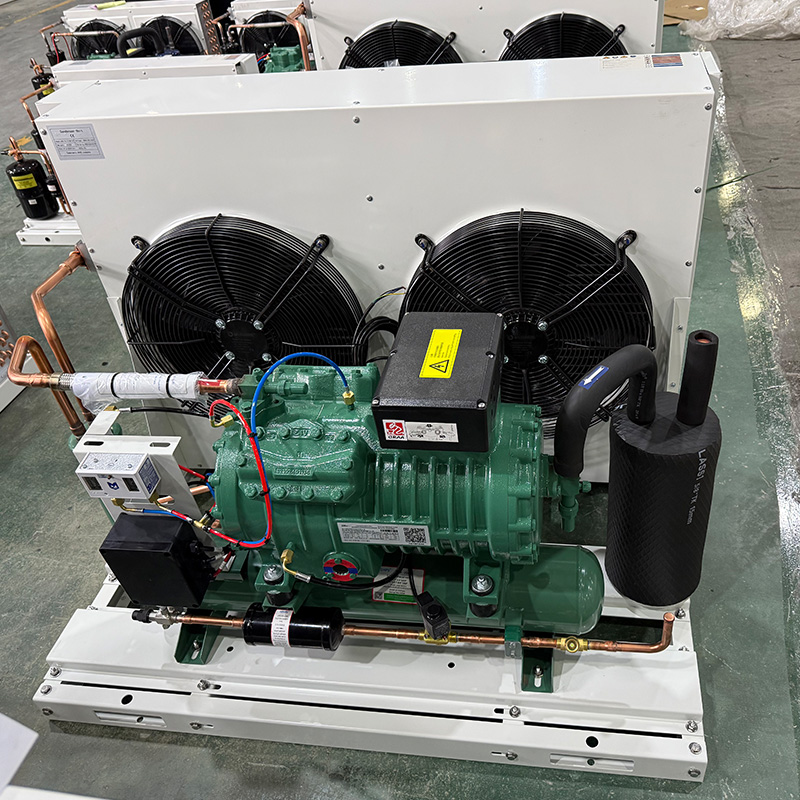
Several key specifications define the quality and performance of a condensing unit. The first is the unit's construction materials. High-quality units often utilize robust materials that resist corrosion and wear, ensuring longevity in cold storage applications. Stainless steel and treated aluminum are common choices that offer durability.
Another crucial specification is the compressor type. Scroll compressors are widely preferred due to their efficiency and quiet operation, while reciprocating compressors may be more suitable for specific applications where varying load conditions are expected. Consider options like the Compressor For Refrigeration Tools And Equipment for different needs.
Moreover, the temperature range and operating conditions the unit can handle are essential. It's vital to confirm that the unit can maintain the required temperature within the cold room, especially for temperature-sensitive products.
Quality control processes during manufacturing are also significant. A manufacturer with stringent quality assurance measures will minimize defects and ensure that the units perform reliably under operational stresses.
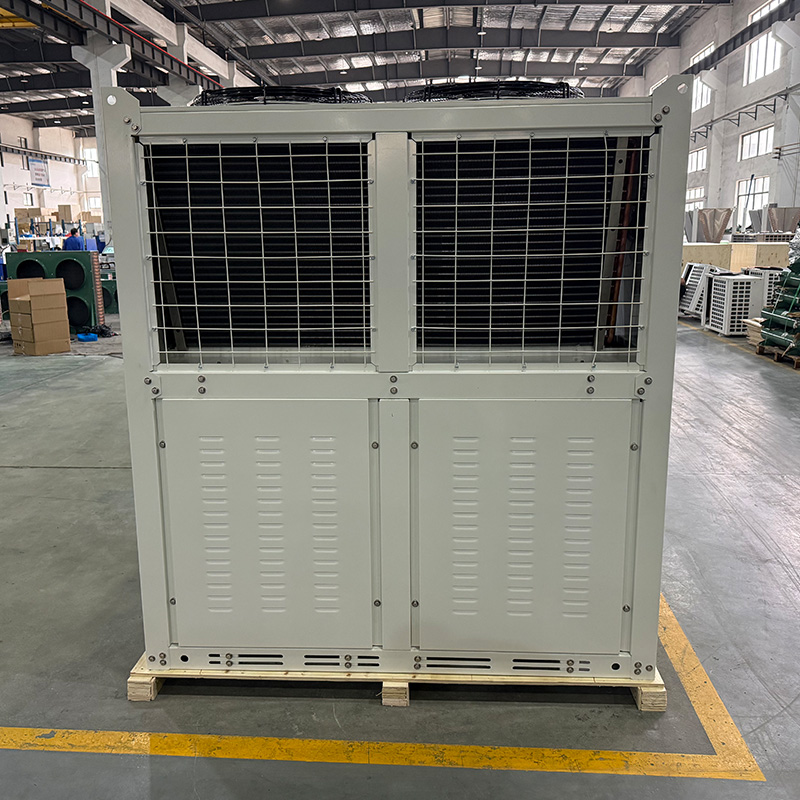
When comparing different condensing units, start by establishing a checklist of essential specifications tailored to your cold storage needs. This should include cooling capacity, energy efficiency ratings, and refrigerant type, as mentioned earlier.
Next, assess the manufacturer's reputation. Investigate their history, including years of experience and the number of patents held, as this often reflects their innovation and reliability in producing high-quality refrigeration equipment.
Price comparison is also crucial, but it should not be the sole deciding factor. Consider the total cost of ownership, including installation, maintenance, and operational costs. A less expensive unit may lead to higher energy bills or more frequent repairs in the long run.
Finally, inquire about customization options. Depending on your application, you may require specific features or configurations. A manufacturer that offers customization can help tailor the solution to your precise needs, enhancing overall efficiency and performance.
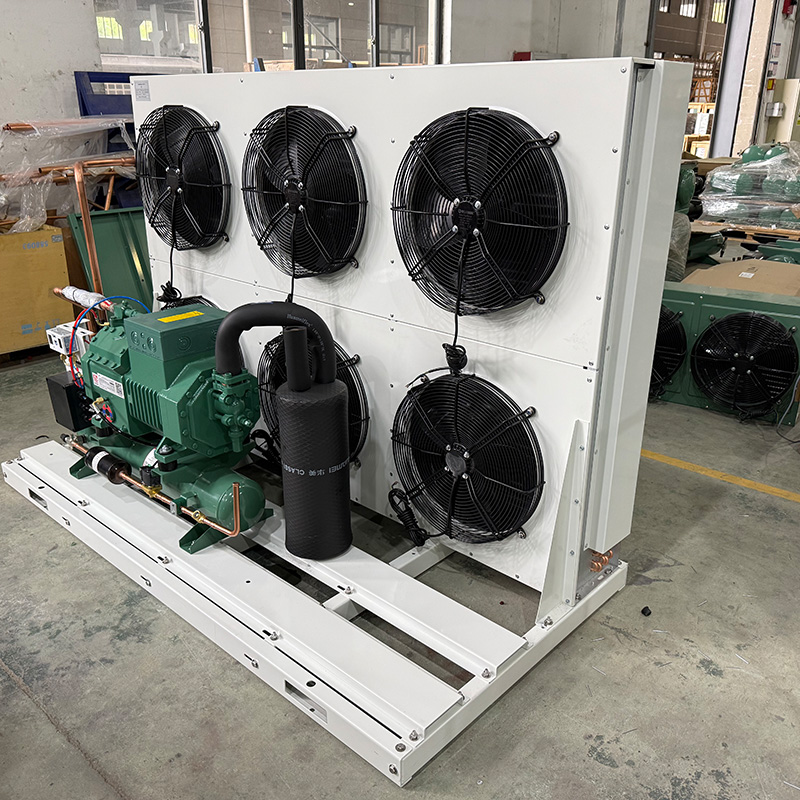
Several cost factors influence the price of condensing units for cold room storage. First, the initial purchase price varies based on the unit's specifications, brand reputation, and manufacturing quality.
Next, consider shipping and handling costs, especially if sourcing from international manufacturers. These costs can significantly impact the total investment and should be factored into your budget.
Energy efficiency ratings can also play a pivotal role in long-term costs. While a high-efficiency unit may come with a higher upfront cost, it can lead to reduced energy consumption, translating into lower operational expenses.
Maintenance and service costs should not be overlooked. Units that require specialized parts or service may incur higher ongoing expenses. Therefore, select a manufacturer known for readily available parts and reliable service support.
Lastly, consider the expected lifespan of the unit. Investing in a higher-quality unit may initially be more expensive, but its longevity can lead to lower overall costs and fewer replacements.
Over 20 years of experience, we have the complete sales and after-sales systems with more than 20 patents and a professional R&D EMTH team.
A modern factory of over 40000 square meters is in place to meet the majority of the EMTH production needs.
Special docking is offered to provide a full range of service. This includes the creation of Cuber ice machine, production installations, landing plans, and after-sales support.
With a good name in the industry, with over 3,000+ clients serviced, EMTH EMTH is a trustworthy established supplier that is praised by its clients.

Welcome to EMTH, a cold storage refrigeration equipment specialist in China! We offer innovative and effective cold storage solutions, including cold storage, evaporator, condensing unit and ice machine.
Room 304-305B, Building 5, BESHINE B.P, No. 559Zhuyuan Road, Minhang District 201112, Shanghai, China
Copyright © Shanghai EMTH Import & Export Co., Ltd. All Rights Reserved. - Privacy Policy
 EN
 AR
 BG
 HR
 CS
 DA
 NL
 FI
 FR
 DE
 EL
 IT
 JA
 KO
 NO
 PL
 PT
 RO
 RU
 ES
 TL
 IW
 ID
 LT
 SR
 VI
 HU
 TH
 MS
 AZ
 JW
 LO
 MN
 SO
 MY
 KK
 TG
 UZ
 GD
 XH