A 5HP condensing unit is a crucial component in refrigeration systems, playing a vital role in cooling applications across various industries. Purchasing managers and engineers often seek reliable and efficient units that can meet their specific operational needs. This article will guide you through essential specifications, selection criteria, and common issues associated with 5HP condensing units, ensuring you make informed purchasing decisions.
When evaluating 5HP condensing units, several key specifications should be taken into account:
Cooling Capacity: Measured in BTUs, the cooling capacity indicates how effectively the unit can remove heat from the environment. Ensure that the unit's capacity aligns with the cooling requirements of your specific application.
Refrigerant Type: Common refrigerants include R-134A, R-404A, and R-410A. Each type has different environmental impacts and efficiency levels. Understanding the refrigerant type is crucial for compliance with local regulations and for optimizing performance.
Voltage and Power Supply: Verify the voltage requirements (typically 208-230V for commercial units) to ensure compatibility with your existing electrical infrastructure. This impacts energy efficiency and operational reliability.
Compressor Type: The type of compressor (reciprocating, scroll, or screw) affects the efficiency and noise levels of the unit. Scroll compressors, for instance, are known for their quieter operation and higher efficiency at partial loads. For instance, compressors for refrigeration tools are an excellent choice for reliability.
Dimensions and Weight: Consider the physical dimensions and weight, especially if space is a constraint in your installation area. Proper unit sizing is essential for effective performance and maintenance accessibility.
Energy Efficiency Ratio (EER): This ratio indicates the cooling output relative to power consumption. Higher EER values signify better efficiency, which can lead to reduced energy costs over time.
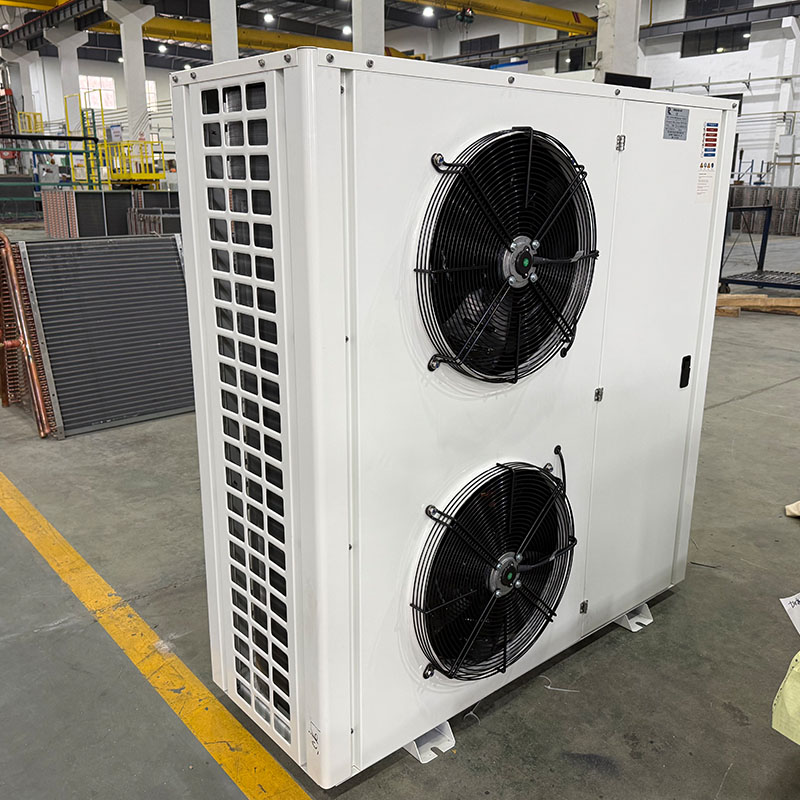
Selecting the right 5HP condensing unit involves several practical steps:
Assess Cooling Requirements: Begin by determining the cooling load for your application. This may involve calculating the heat gain from equipment, lighting, and occupancy. Ensure that the selected unit can handle peak loads effectively.
Evaluate Environmental Conditions: Consider factors such as ambient temperature, humidity, and potential exposure to corrosive elements. These conditions may affect the unit's longevity and performance. For instance, outdoor units may require additional weatherproofing.
Review Installation Space: Measure the available space for installation, accounting for clearance requirements for airflow, maintenance, and service access. Units that are too large may impede airflow, while units that are too small may underperform.
Consider Future Needs: Anticipate any potential changes in your cooling requirements, such as increased occupancy or equipment additions. Opting for a unit with slightly higher capacity can provide flexibility for future demands.
Consult with Experts: Engage with manufacturers or suppliers who can provide insights based on your specific application. They can recommend suitable models that align with your requirements, including options like the Refcomp Condensing Unit.
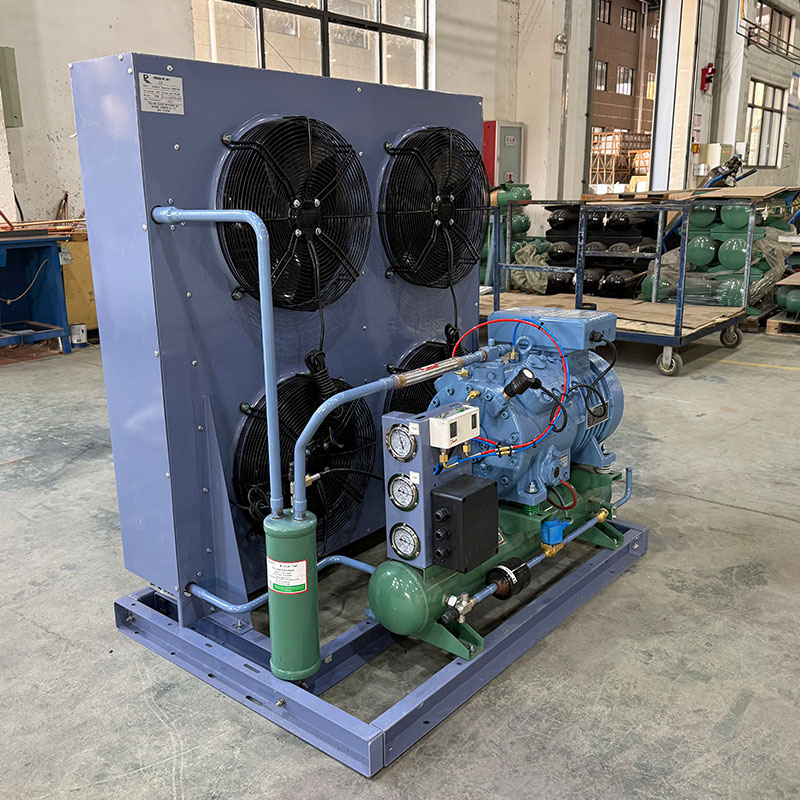
When examining 5HP condensing units, focus on the following attributes:
Build Quality: Look for units constructed from durable materials that can withstand operational stresses. Stainless steel or coated components can offer better resistance to corrosion and wear.
Control Systems: Advanced control systems improve efficiency and ease of operation. Features such as variable speed drives and smart controls can enhance performance and reduce energy consumption.
Noise Level: For units installed in noise-sensitive environments, check the noise ratings. Units with sound-dampening features or low-noise compressors can minimize disruptions.
Warranty and Support: A robust warranty and reliable customer support from the manufacturer are crucial for long-term satisfaction. Understand the terms of service and what is covered in case of failure.
Certifications: Certifications such as ISO, CE, or AHRI can indicate compliance with industry standards and performance benchmarks. These certifications provide assurance of quality and reliability.
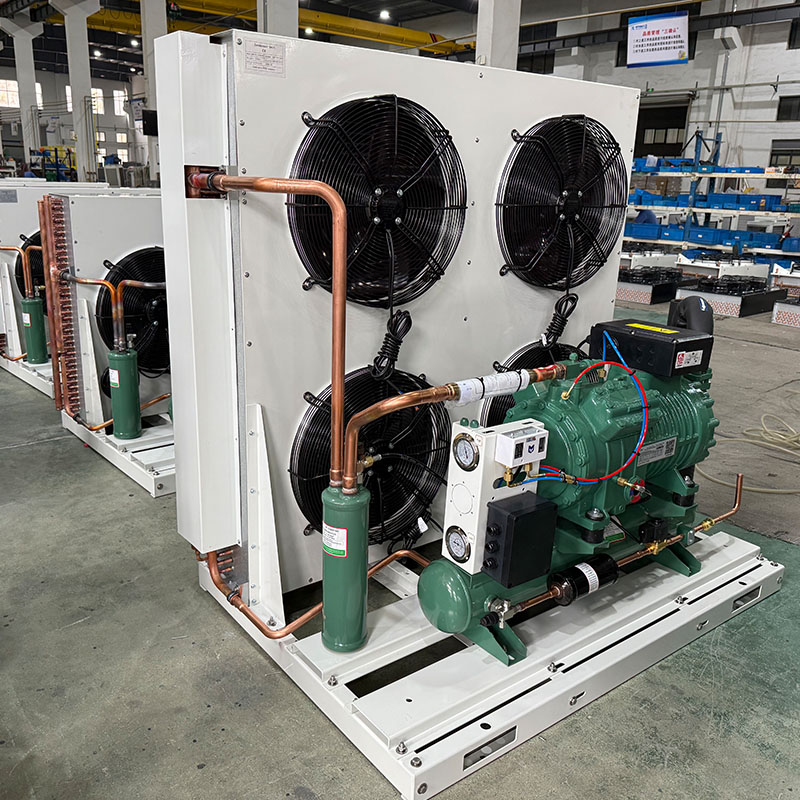
When considering wholesale purchasing of 5HP condensing units, various factors come into play:
Minimum Order Quantities (MOQs): Suppliers may have specific MOQs that can affect your purchasing strategy. Understanding these requirements can help you plan your budget and inventory effectively.
Bulk Pricing: Often, purchasing in bulk can offer significant savings. Engage with suppliers to negotiate pricing based on your order volume and long-term commitment.
Lead Times: Discuss lead times for delivery, especially if your project has strict timelines. Manufacturers like Shanghai EMTH can provide insights into their production capabilities and scheduling.
Customization Options: Some manufacturers may offer customization options to meet specific project requirements, such as tailored dimensions or unique refrigerant types. Explore these possibilities to optimize unit performance for your needs.
Shipping and Handling: Consider shipping costs and logistics when ordering wholesale. Evaluate the supplier’s shipping methods and packaging standards to ensure that units arrive in excellent condition.
EMTH has a long-standing track record of success in the industry with more than 3,000 satisfied customers.
Special docking is available for a complete system of service. It includes creation of plans, Axial fans, landing plans, and after-sales support.
A modern plant of over 40000 square meters is in place to meet the EMTH majority manufacturing requirements.
More than 20 years of' experience and an experienced R&D EMTH team.

Welcome to EMTH, a cold storage refrigeration equipment specialist in China! We offer innovative and effective cold storage solutions, including cold storage, evaporator, condensing unit and ice machine.
Room 304-305B, Building 5, BESHINE B.P, No. 559Zhuyuan Road, Minhang District 201112, Shanghai, China
Copyright © Shanghai EMTH Import & Export Co., Ltd. All Rights Reserved. - Privacy Policy
 EN
 AR
 BG
 HR
 CS
 DA
 NL
 FI
 FR
 DE
 EL
 IT
 JA
 KO
 NO
 PL
 PT
 RO
 RU
 ES
 TL
 IW
 ID
 LT
 SR
 VI
 HU
 TH
 MS
 AZ
 JW
 LO
 MN
 SO
 MY
 KK
 TG
 UZ
 GD
 XH