Air evaporators are essential components in refrigeration systems, designed to efficiently remove heat from the air in cold storage applications. For purchasing managers, engineers, and product managers in the industrial sector, selecting the right air evaporator involves understanding various specifications and how they align with specific operational needs. This article will guide you through the key considerations when sourcing air evaporators, ensuring you make an informed decision that enhances system performance and reliability.
When selecting an air evaporator, the first step is to assess your specific application requirements. Consider the cooling capacity needed, which is often measured in BTUs (British Thermal Units) per hour. This figure should align with the size of the space being cooled and the expected heat load from stored products.
Next, evaluate the type of refrigerant that will be used in conjunction with the evaporator. Common refrigerants include R-22, R-404A, and R-410A, each with different thermodynamic properties that can influence system efficiency and compatibility.
Additionally, consider the installation environment. Factors such as humidity, temperature fluctuations, and the presence of corrosive substances can greatly impact the performance and lifespan of the evaporator. For instance, a unit designed for outdoor use should have protective coatings to resist corrosion, while those for indoor applications may prioritize quieter operation.
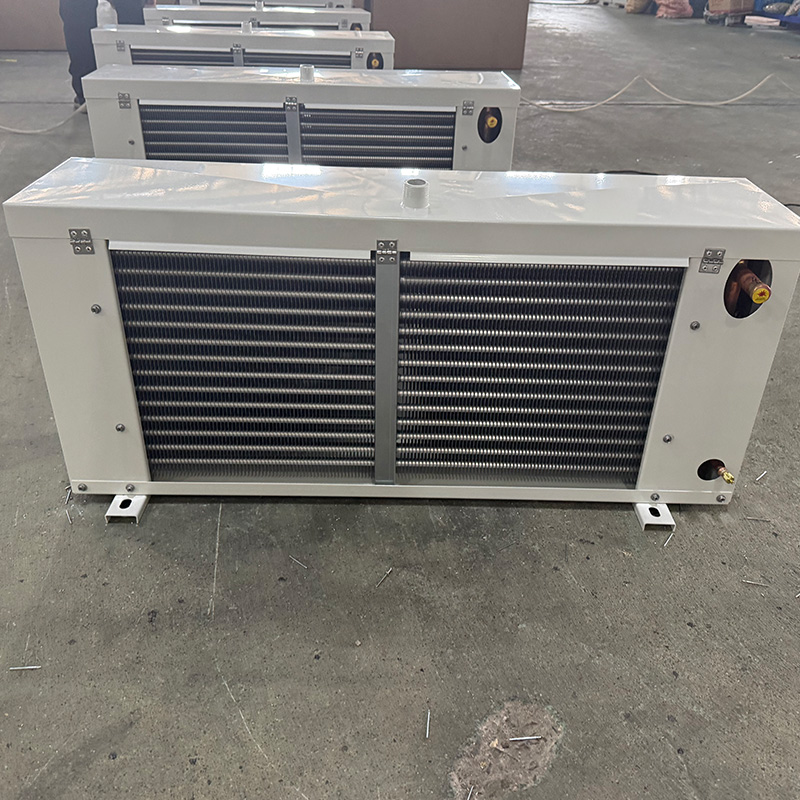
There are several critical specifications to evaluate when sourcing air evaporators:
Cooling Capacity: This is paramount. Ensure the cooling capacity matches the requirements of your specific application to maintain the desired temperature effectively.
Airflow Rate: Measured in CFM (cubic feet per minute), the airflow rate determines how quickly and efficiently the evaporator can circulate air throughout the space. Insufficient airflow can lead to uneven cooling.
Dimensions: The physical size of the evaporator must fit the intended installation area. Confirm that the unit can be accommodated without obstructing airflow or maintenance access.
Material Composition: Evaporators can be constructed from various materials, including aluminum and stainless steel. The choice of material affects not only durability but also thermal conductivity and resistance to corrosion. For high-efficiency options, consider the Euxiur High Efficiency Evaporator.
Energy Efficiency: Look for units with high energy efficiency ratings (EER or SEER). These can lead to significant cost savings over time and contribute to a more sustainable operation.
Noise Levels: For installations in sensitive environments, such as food storage areas, consider the noise levels produced by the evaporator during operation.
Maintenance Requirements: Some models may require more frequent maintenance than others. Evaluate accessibility for cleaning and repairs to minimize downtime.
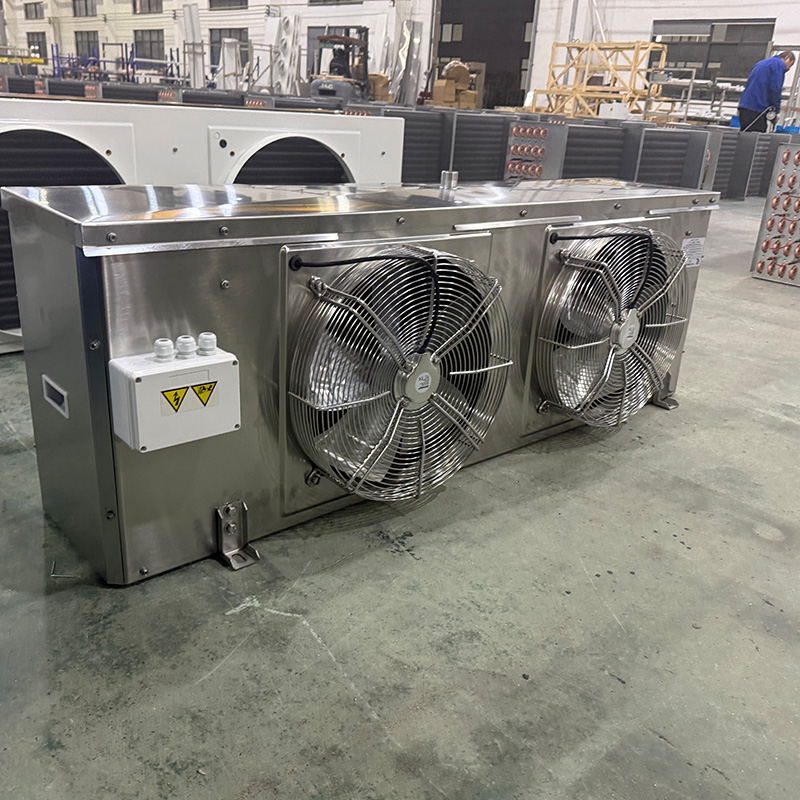
Finding a trustworthy manufacturer or supplier is crucial for ensuring you receive high-quality air evaporators. Look for companies with a proven track record in the refrigeration industry, such as Bitzer Condensing Unit, which has over 20 years of experience and holds multiple patents in refrigeration technology.
Evaluate potential partners based on:
Certifications: Verify if they hold relevant industry certifications that demonstrate compliance with safety and quality standards.References: Speak to other customers about their experiences with the supplier. This can provide insights into product quality and customer service.Customization Options: Depending on your application, you may require specific modifications. A reliable partner should be willing and able to accommodate these needs.Support Services: Consider the level of technical support and after-sales service offered. Suppliers who provide comprehensive support can facilitate smoother operations and address any issues that arise post-installation.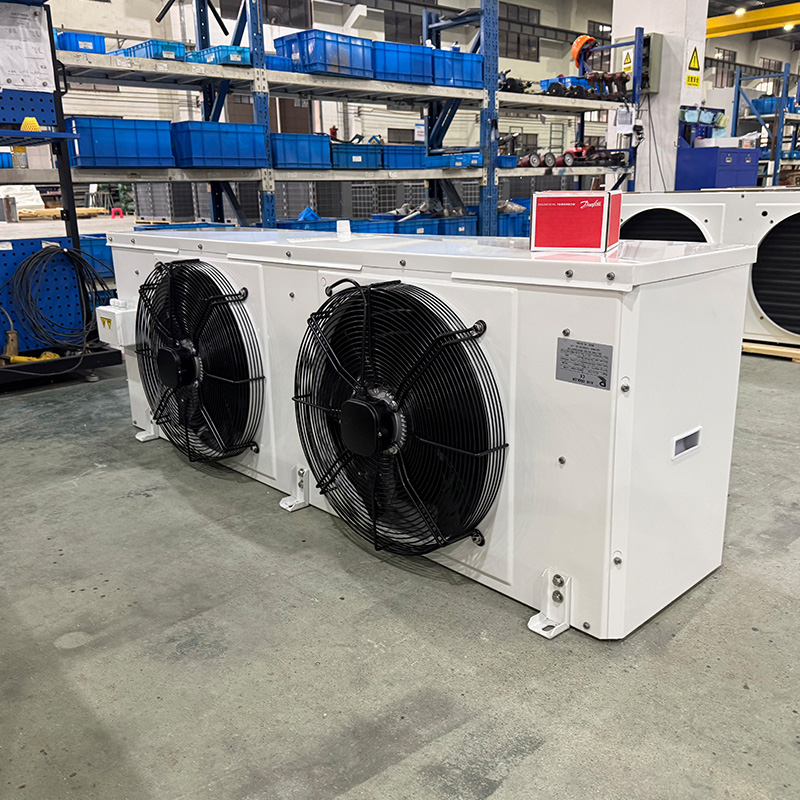
Successful installation of air evaporators is critical for optimal performance. Begin by preparing the installation site, ensuring the area is clean and free of obstructions. Proper alignment of the evaporator relative to airflow paths is vital for efficient cooling.
Mounting: Ensure the evaporator is securely mounted, following manufacturer guidelines to avoid vibrations that could lead to noise issues or mechanical failure.Electrical Connections: All electrical work should be performed by qualified personnel. Improper connections can lead to system failures or safety hazards.Refrigerant Lines: Pay attention to the installation of refrigerant lines, ensuring they are insulated properly to prevent energy loss and maintain system efficiency.Testing: After installation, conduct thorough testing to ensure the evaporator operates within specified parameters. Check for leaks, measure temperature differentials, and confirm airflow rates.Proper installation not only enhances performance but also extends the lifespan of the equipment.
A modern plant of over 40000 square meters is in place to meet the majority Ice maker for under counter demands for production.
With a good name in the industry, with over 3,000+ clients serviced, EMTH EMTH is a trustworthy established supplier that is praised by its clients.
Special docking is offered for a complete service. This includes the design of Coldrooms, production installation, landing projects, and after-sales support.
We have more than 20 years of experience and a highly skilled R&D EMTH staff.

Welcome to EMTH, a cold storage refrigeration equipment specialist in China! We offer innovative and effective cold storage solutions, including cold storage, evaporator, condensing unit and ice machine.
Room 304-305B, Building 5, BESHINE B.P, No. 559Zhuyuan Road, Minhang District 201112, Shanghai, China
Copyright © Shanghai EMTH Import & Export Co., Ltd. All Rights Reserved. - Privacy Policy
 EN
 AR
 BG
 HR
 CS
 DA
 NL
 FI
 FR
 DE
 EL
 IT
 JA
 KO
 NO
 PL
 PT
 RO
 RU
 ES
 TL
 IW
 ID
 LT
 SR
 VI
 HU
 TH
 MS
 AZ
 JW
 LO
 MN
 SO
 MY
 KK
 TG
 UZ
 GD
 XH