Cold room evaporators are essential components in refrigeration systems, particularly designed to maintain low temperatures in cold storage facilities. As a B2B buyer—whether you are a purchasing manager, distributor, or engineer—understanding the specifications and applications of cold room evaporators is crucial for making informed procurement decisions. This article will guide you through the key considerations, installation tips, and industry applications of cold room evaporators, helping you choose the right solution for your needs.
When evaluating cold room evaporators for bulk orders, several specifications warrant close attention. First, consider the cooling capacity, which is typically measured in BTUs (British Thermal Units) or kilowatts. This figure indicates how effectively the evaporator can remove heat from the cold room. Match the cooling capacity with the size of the cold room and the expected thermal load to ensure efficient operation. For example, you might find the Cold Room model particularly suitable for your needs.
Next, examine the materials used in the evaporator construction. Common materials include galvanized steel and stainless steel, each offering distinct advantages in terms of durability and corrosion resistance. The choice of material can significantly impact the lifespan of the evaporator, especially in environments with high humidity or exposure to chemicals.
Additionally, review the dimensions and weight of the evaporator unit, as these factors will influence installation requirements and overall compatibility with your existing refrigeration system. Be sure to verify the evaporator's clearance and airflow requirements to prevent operational issues.
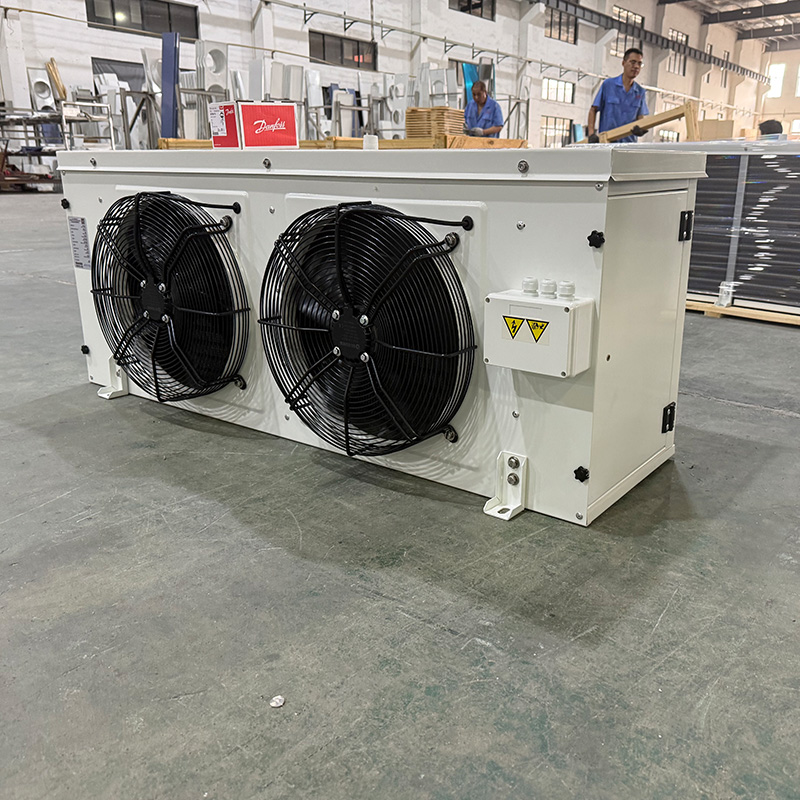
Selecting the right cold room evaporator requires a thorough understanding of your project's specific needs. Start by assessing the temperature range you need to maintain. Different evaporators are designed for various temperature applications, from moderate refrigeration to deep freezing. Ensure that the chosen model can consistently achieve the required temperature range.
Next, consider the evaporator type—options include finned-tube, plate, and shell-and-tube designs. Finned-tube evaporators are ideal for larger cold rooms due to their efficient heat exchange capabilities, while plate evaporators are better suited for compact installations where space is limited. The D Series Evaporators are a great option for various applications.
Another critical factor is the evaporator's energy efficiency rating. Look for models with high Seasonal Energy Efficiency Ratios (SEER) or Energy Efficiency Ratios (EER) to minimize operating costs over time. An efficient evaporator not only lowers energy bills but also reduces the environmental footprint of your refrigeration system.
Finally, consider customization options that may be available from manufacturers like Shanghai EMTH. Custom features such as specific dimensions, additional insulation, or specialized coatings can help tailor the evaporator to your project's unique requirements.
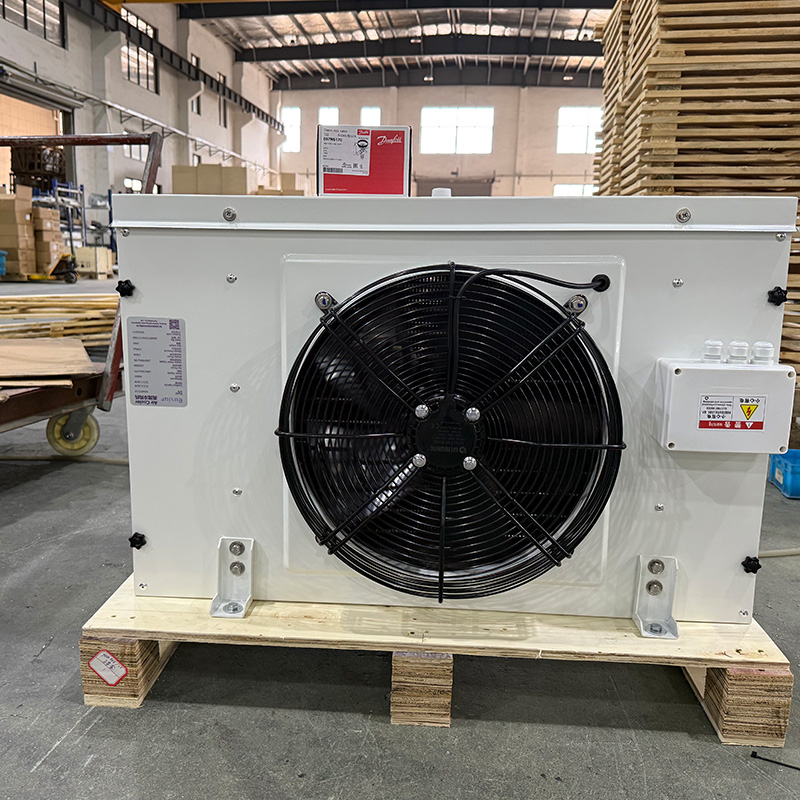
Installation of cold room evaporators can present several challenges that, if not addressed, may lead to suboptimal performance. One common issue is inadequate airflow, which can result from improper placement or insufficient clearance around the evaporator unit. To mitigate this, ensure that the installation site allows for unobstructed airflow and follow the manufacturer's guidelines for spacing.
Another frequent problem is condensation buildup, which can occur if the evaporator is not properly insulated or if the ambient temperature fluctuates significantly. To prevent condensation, use appropriate insulation materials and ensure that the cold room is tightly sealed to minimize temperature variations.
Additionally, electrical and refrigerant connections must be handled with precision. Faulty connections can lead to system failures or inefficient operation. Work with qualified technicians to ensure all electrical and refrigerant lines are installed according to industry standards and manufacturer specifications.
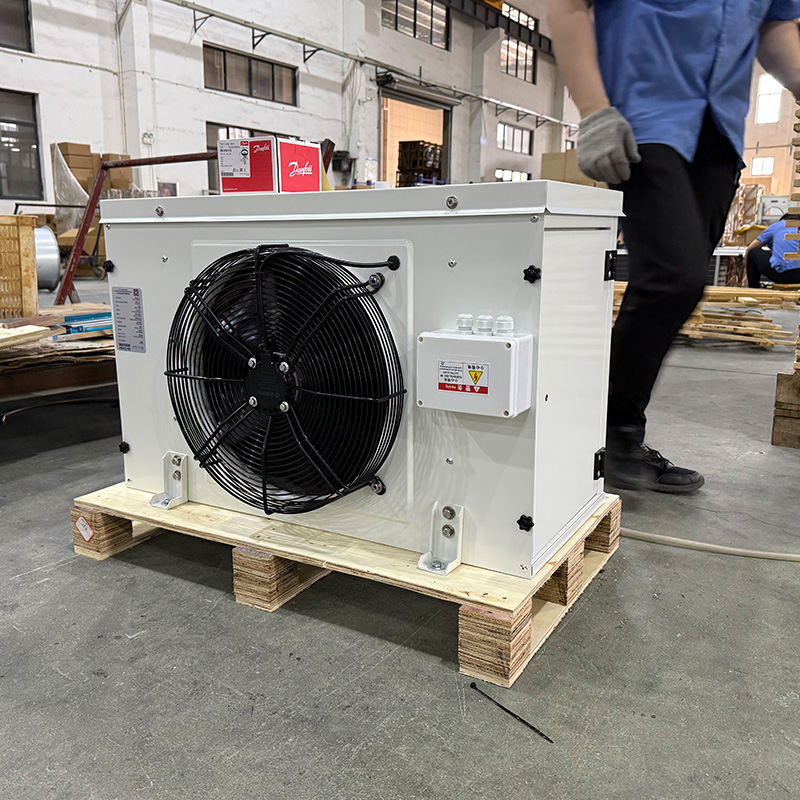
Cold room evaporators are versatile and serve critical functions across several industries. In the food and beverage sector, they are essential for preserving perishable goods, ensuring that products like meat, dairy, and frozen foods maintain their quality during storage and distribution. The pharmaceutical industry also relies on cold room evaporators to store temperature-sensitive medications and vaccines.
In the floral industry, cold room evaporators help maintain optimal conditions for flower storage, extending their shelf life and ensuring freshness. Additionally, in the chemical manufacturing sector, they are employed to control the temperature of sensitive chemicals that require strict environmental conditions.
Understanding the specific applications of cold room evaporators in your industry can help you better evaluate the performance requirements and features necessary for your operational needs.
Special docking is available for a complete system of service. It includes creation of plans, Ice cube machine, landing plans, and after-sales support.
We have more than 20 years of experience and an experienced R&D EMTH.
With a great reputation in the business and over 3,000+ clients that they have served, EMTH EMTH is a trustworthy established supplier that is praised by its clients.
A modern factory of over 40000 square meters is in place to meet the majority of the EMTH production needs.

Welcome to EMTH, a cold storage refrigeration equipment specialist in China! We offer innovative and effective cold storage solutions, including cold storage, evaporator, condensing unit and ice machine.
Room 304-305B, Building 5, BESHINE B.P, No. 559Zhuyuan Road, Minhang District 201112, Shanghai, China
Copyright © Shanghai EMTH Import & Export Co., Ltd. All Rights Reserved. - Privacy Policy
 EN
 AR
 BG
 HR
 CS
 DA
 NL
 FI
 FR
 DE
 EL
 IT
 JA
 KO
 NO
 PL
 PT
 RO
 RU
 ES
 TL
 IW
 ID
 LT
 SR
 VI
 HU
 TH
 MS
 AZ
 JW
 LO
 MN
 SO
 MY
 KK
 TG
 UZ
 GD
 XH