The condensing unit for cold room 10hp is a vital component in refrigeration systems, specifically designed for maintaining low temperatures in cold storage facilities. B2B buyers, including purchasing managers and engineers, often seek to understand the specifications, installation requirements, and potential issues associated with these units. This article will provide essential insights into wholesale purchasing options, manufacturer evaluations, key specifications, installation guidance, and common problems related to 10HP condensing units.
When looking to purchase a 10HP condensing unit for a cold room, wholesale options are often available through manufacturers like Shanghai EMTH. Buyers should consider establishing a direct relationship with manufacturers who can offer competitive pricing for bulk orders. In addition to cost, it's essential to inquire about the following:
Minimum Order Quantity (MOQ): Understand the manufacturer's MOQ to ensure it aligns with your purchasing plans.Customization Options: Many manufacturers can tailor units to specific requirements, such as dimensions or additional features.Lead Time: Request information on production and delivery timelines to effectively plan your inventory and installation schedules.By engaging directly with manufacturers, buyers can often negotiate better terms and receive tailored solutions that fit their operational needs.
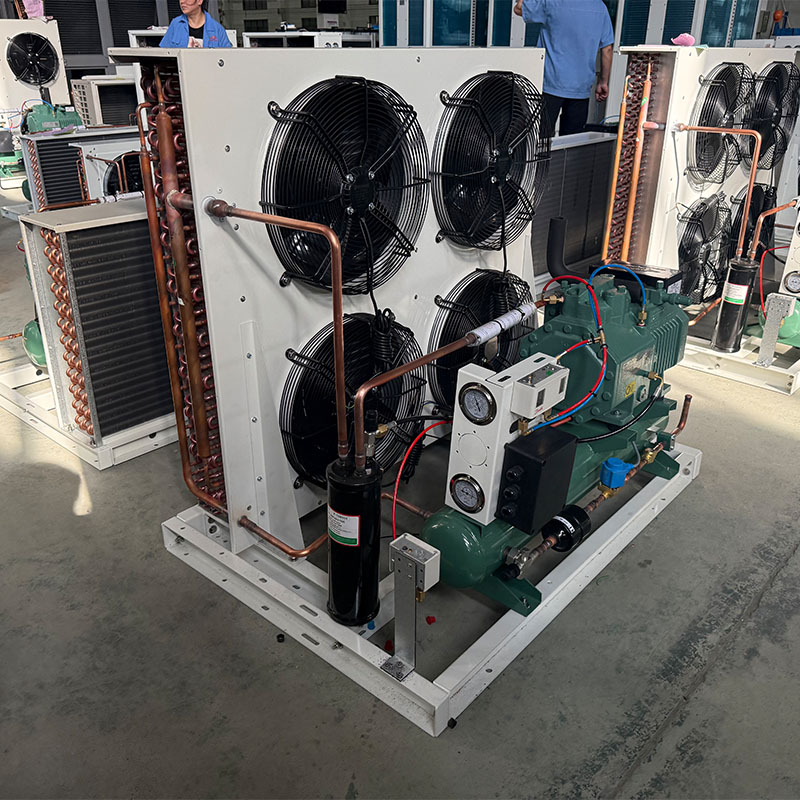
When assessing potential manufacturers for 10HP condensing units, several key factors should be taken into account:
Experience and Reputation: Look for manufacturers with a proven track record in the refrigeration industry. For instance, Shanghai EMTH has over 20 years of experience and holds numerous patents, indicating a strong commitment to innovation and quality. Additionally, consider exploring options such as Refcomp Condensing Units for comparison.
Quality Control Processes: Inquire about the manufacturer's quality assurance measures. Effective quality control can prevent defects and ensure the reliability of the condensing units.
Certifications: Check if the manufacturer holds relevant industry certifications that validate their compliance with international standards. This can provide assurance regarding the quality and safety of the products.
Production Capabilities: Evaluate the technical capabilities of the manufacturer, including their machinery and technology used in production. Advanced manufacturing techniques can enhance product performance and durability.
By carefully evaluating these aspects, buyers can select a reliable manufacturer that meets their specific requirements.
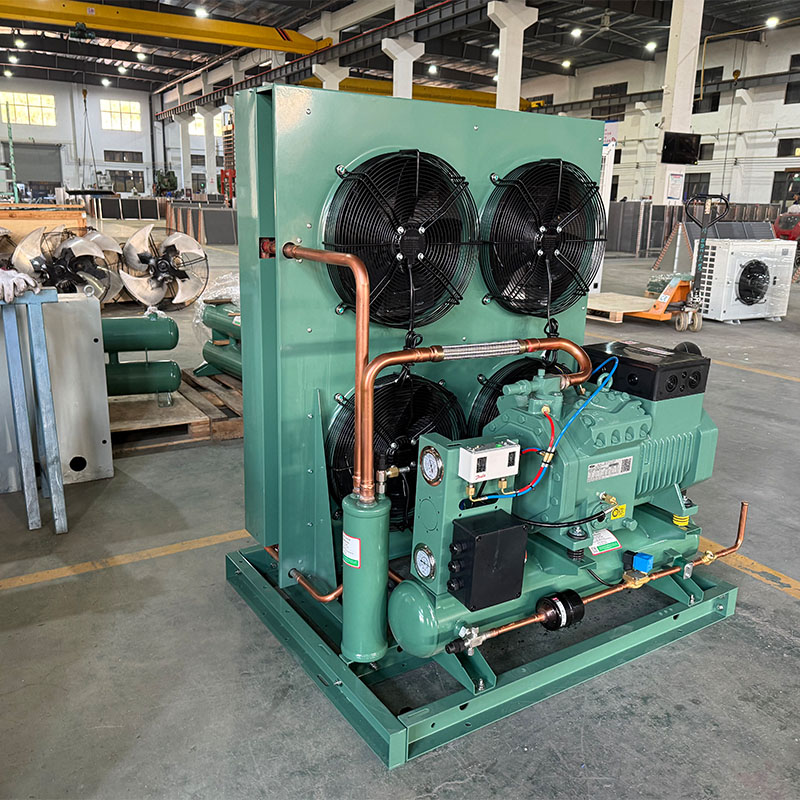
Understanding the specifications of a 10HP condensing unit is crucial for ensuring it fits the intended application. Here are the key specifications to consider:
Cooling Capacity: Measured in BTUs, this indicates the unit's ability to maintain desired temperatures. Ensure that the cooling capacity aligns with your cold room's size and product storage needs.
Energy Efficiency: Look for units with high energy efficiency ratings (EER or SEER). A more efficient condensing unit can lead to significant energy cost savings over time.
Refrigerant Type: Different refrigerants have varying environmental impacts and efficiency levels. Common options include R-404A and R-410A, each with its own benefits and regulations.
Dimensions and Weight: Ensure the unit's dimensions fit within your cold storage facility's design. Consider the weight for structural support and installation considerations.
Operating Conditions: Verify that the unit can operate effectively under your cold room's specific temperature and humidity conditions.
By confirming these specifications, buyers can avoid compatibility issues and ensure optimal performance.
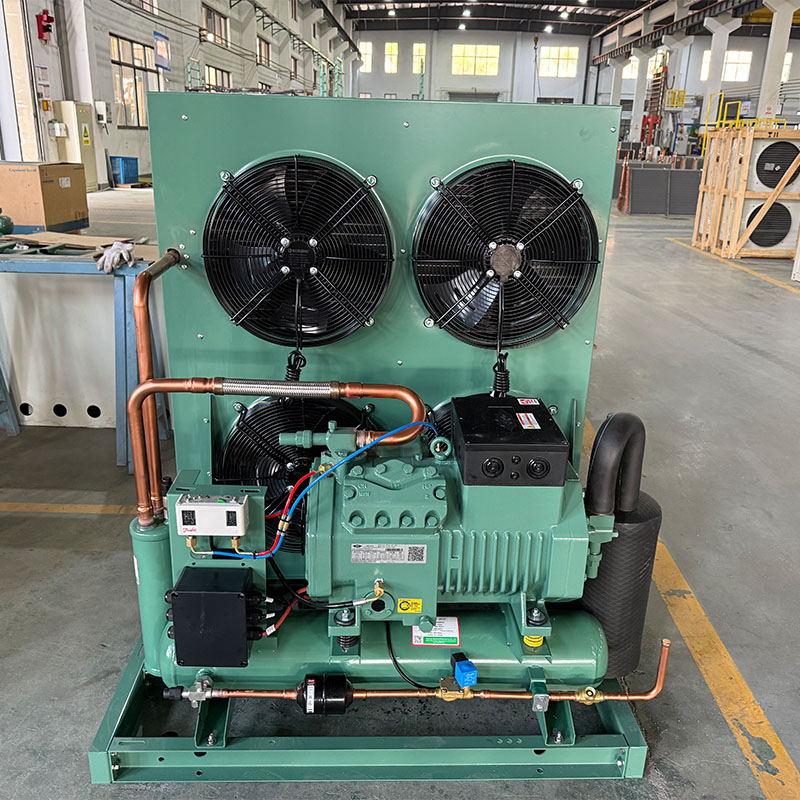
Proper installation of a 10HP condensing unit is critical for reliable operation. Here are some key considerations during the installation process:
Site Preparation: Ensure the installation site is level, clean, and can support the weight of the unit. Adequate spacing for air circulation around the unit is also essential.
Electrical Requirements: Verify that the electrical supply meets the unit's voltage and amperage specifications. It's advisable to consult with a qualified electrician during installation.
Refrigerant Line Setup: Properly size and route the refrigerant lines to minimize pressure drop and enhance efficiency. Follow manufacturer guidelines for line insulation and sealing to prevent leaks.
Testing and Commissioning: After installation, conduct thorough testing to ensure the unit operates as expected. Check for any unusual noises or vibrations that may indicate installation issues.
By following these guidelines, buyers can ensure a smoother installation process and prolonged unit lifespan.
A modern facility of more than 40,000 square meters is available to meet the majority of EMTH requirements.
We have more than 20 years of experience and an experienced R&D EMTH.
With a good reputation in the industry and more than 3,000 clients who have been served, Condensing unit is a trustworthy established supplier that has been recognized by other customers.
Special docking is offered for a complete service. This includes the design of Commercial ice maker, production installation, landing projects, and after-sales support.

Welcome to EMTH, a cold storage refrigeration equipment specialist in China! We offer innovative and effective cold storage solutions, including cold storage, evaporator, condensing unit and ice machine.
Room 304-305B, Building 5, BESHINE B.P, No. 559Zhuyuan Road, Minhang District 201112, Shanghai, China
Copyright © Shanghai EMTH Import & Export Co., Ltd. All Rights Reserved. - Privacy Policy
 EN
 AR
 BG
 HR
 CS
 DA
 NL
 FI
 FR
 DE
 EL
 IT
 JA
 KO
 NO
 PL
 PT
 RO
 RU
 ES
 TL
 IW
 ID
 LT
 SR
 VI
 HU
 TH
 MS
 AZ
 JW
 LO
 MN
 SO
 MY
 KK
 TG
 UZ
 GD
 XH