Selecting the right condenser coils for freezers is critical to the efficiency and effectiveness of refrigeration systems. These components play a vital role in cooling systems, impacting everything from energy consumption to product longevity. B2B buyers, such as purchasing managers and engineers, often face concerns about performance specifications, material quality, and supplier reliability. This article will help you navigate these considerations and equip you with the knowledge to make informed purchasing decisions regarding condenser coils in freezers.
When selecting condenser coils for freezers, several factors should be taken into account to ensure optimal performance. First, consider the type of refrigerant used, as it affects coil design and material selection. Compatibility with refrigerants like R-134a or R-404A is essential to prevent corrosion and efficiency losses. For instance, using a YH Type Condenser can enhance compatibility with various refrigerants.
Next, evaluate the coil configuration. Common designs include air-cooled and water-cooled variants. Air-cooled coils are typically more economical but may require more space and present challenges in high ambient temperatures. Conversely, water-cooled coils can handle higher loads but may incur additional installation and maintenance costs.
Material selection is also crucial. Copper coils offer excellent thermal conductivity and longevity, while aluminum coils are lighter and more corrosion-resistant. The choice between these materials should be based on the operating environment and expected lifespan, as improper material selection can lead to premature failure. For high-efficiency applications, consider the Euxiur High Efficiency Evaporator for optimized performance.
Lastly, assess the size and capacity of the coils relative to the freezer's requirements. This includes understanding the heat load calculations and ensuring that the selected coils can handle the expected thermal demands.
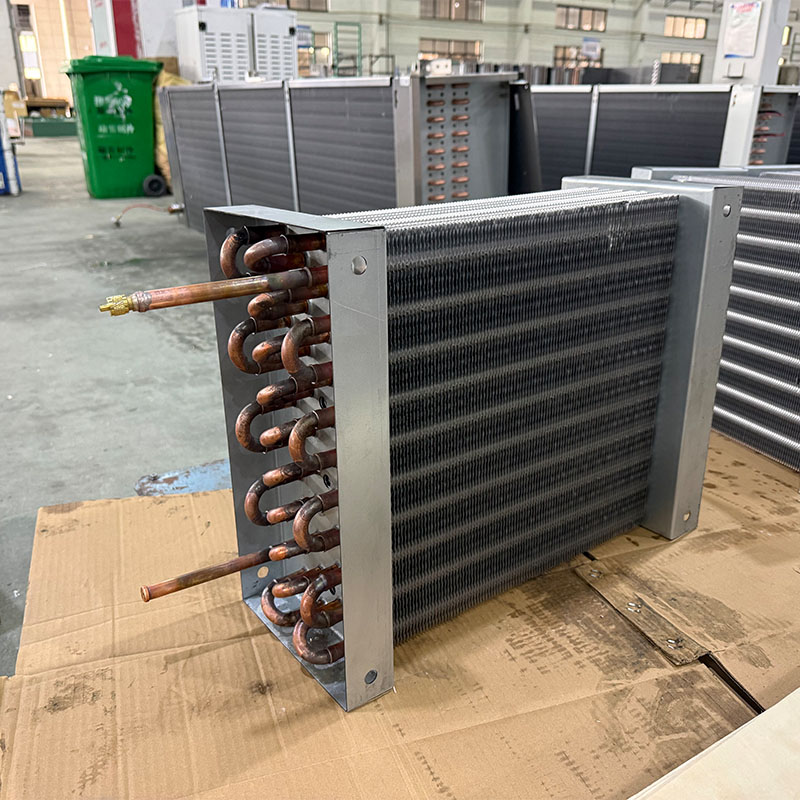
Evaluating the quality of condenser coils involves several key metrics. First, check for certifications that indicate adherence to industry standards, such as ISO or ASME. These certifications often reflect the manufacturer's commitment to quality and reliability.
Inspect the manufacturing process as well. High-quality coils are typically produced using advanced techniques such as precision welding and rigorous quality control measures. This ensures uniformity in dimensions and integrity in construction, which are essential for efficient operation.
Additionally, conduct a visual inspection of the coils. Look for signs of corrosion, dents, or any irregularities that could affect performance. A well-manufactured coil should have smooth surfaces and consistent finishes, which are indicative of careful production practices.
Testing the coils under actual operating conditions before mass production is advisable. This provides real-world data on performance and durability, helping to identify potential issues early.
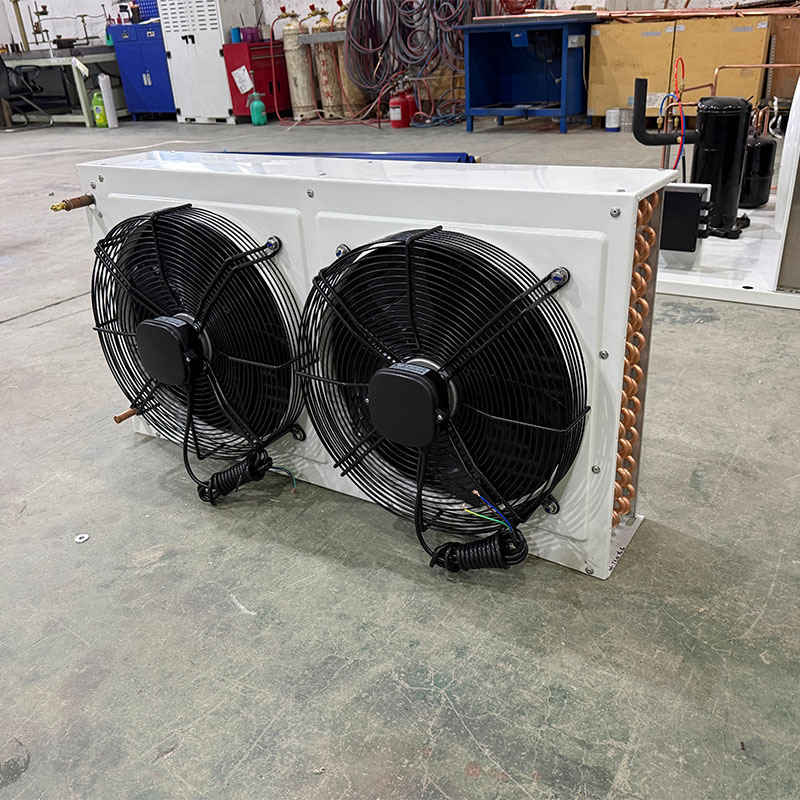
Identifying reliable manufacturers for condenser coils involves thorough research and evaluation. Start by looking for companies with a proven track record in refrigeration equipment production. Companies like Shanghai EMTH, with over 20 years of experience and numerous patents, exemplify the kind of expertise that ensures quality.
Next, consider the manufacturer’s production capabilities. A modern factory equipped with advanced machinery is crucial for producing high-quality coils. Evaluate their quality control processes, including how they monitor production stages and conduct final inspections.
Additionally, check customer reviews and testimonials. Feedback from other B2B buyers can provide insights into the manufacturer’s reliability, customer service, and product performance. Establishing direct communication with the manufacturer can also reveal their responsiveness and willingness to assist with custom requirements.
Lastly, inquire about their export experience. A manufacturer familiar with international standards is more likely to provide products that meet diverse market needs.
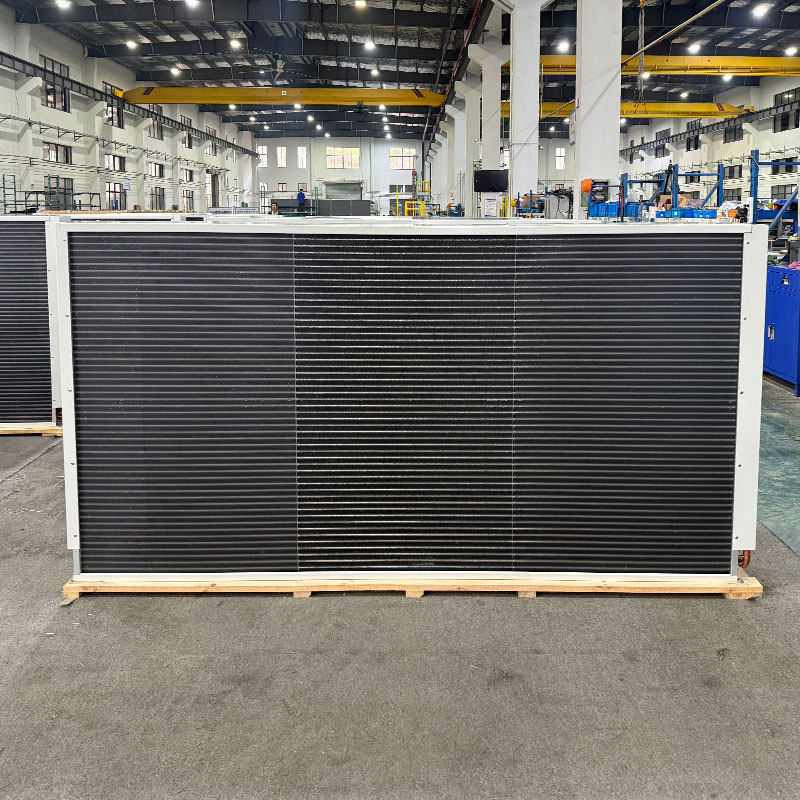
When comparing specifications of condenser coils, focus on key performance metrics such as thermal conductivity, pressure ratings, and dimensions. Thermal conductivity affects how efficiently the coil transfers heat, with copper generally outperforming aluminum in this regard.
Pressure ratings are critical, especially in high-performance applications. Ensure that the coils can handle the pressures associated with your chosen refrigerant to avoid risks of ruptures or leaks.
Dimensions, including tube diameter and coil thickness, significantly influence airflow and heat exchange efficiency. A coil that is too thick may impede airflow, while one that is too thin may not support adequate cooling.
Furthermore, consider the surface area of the coils. Larger surface areas facilitate better heat transfer, leading to improved overall efficiency. Understanding these specifications allows buyers to select coils that align with their specific operational needs.
Special docking is available for a complete system of service. It includes creation of plans, Ice cube machine, landing plans, and after-sales support.
A modern factory of over 40000 square meters is in place to meet the majority of the EMTH production needs.
With a good reputation in the industry and more than 3,000 clients who have been served, Condensing unit is a trustworthy established supplier that has been recognized by other customers.
With more than 20 years of knowledge, we've developed a a complete production and sales and after-sales process with more than 20 patent certificates and a skilled R&D EMTH team.

Welcome to EMTH, a cold storage refrigeration equipment specialist in China! We offer innovative and effective cold storage solutions, including cold storage, evaporator, condensing unit and ice machine.
Room 304-305B, Building 5, BESHINE B.P, No. 559Zhuyuan Road, Minhang District 201112, Shanghai, China
Copyright © Shanghai EMTH Import & Export Co., Ltd. All Rights Reserved. - Privacy Policy
 EN
 AR
 BG
 HR
 CS
 DA
 NL
 FI
 FR
 DE
 EL
 IT
 JA
 KO
 NO
 PL
 PT
 RO
 RU
 ES
 TL
 IW
 ID
 LT
 SR
 VI
 HU
 TH
 MS
 AZ
 JW
 LO
 MN
 SO
 MY
 KK
 TG
 UZ
 GD
 XH