Choosing the right chiller condenser coil is crucial for ensuring efficient operation in refrigeration systems. With over 20 years of experience in manufacturing refrigeration equipment, Shanghai EMTH understands the complexities involved in selecting the appropriate coil. B2B buyers, including purchasing managers and engineers, often face concerns such as performance specifications, material compatibility, and supplier reliability. This article will guide you through essential considerations when sourcing chiller condenser coils, helping you make informed purchasing decisions.
When selecting a chiller condenser coil, it's important to consider several factors that influence efficiency and functionality. The first consideration is the application environment. Different applications, such as commercial refrigeration, industrial cooling, or process cooling, may require specific types of coils to perform effectively.
Next, assess the cooling capacity required for your system. This is typically measured in BTUs (British Thermal Units) per hour. Ensure that the coil's specifications match the cooling load calculations for your project to avoid underperformance or overloading.
Moreover, consider the coil's design and configuration. Options include finned tube coils, which provide higher surface area for heat exchange, or bare tube coils, which may be sufficient for less demanding applications. The choice between these designs should align with your performance requirements and available space. For example, using a well-designed Condenser can significantly impact the overall efficiency of your system.
Lastly, think about future maintenance needs. A coil designed for easy access can save time and reduce costs during service intervals. Consulting with experienced suppliers can provide insights into the best configurations for your specific project needs.
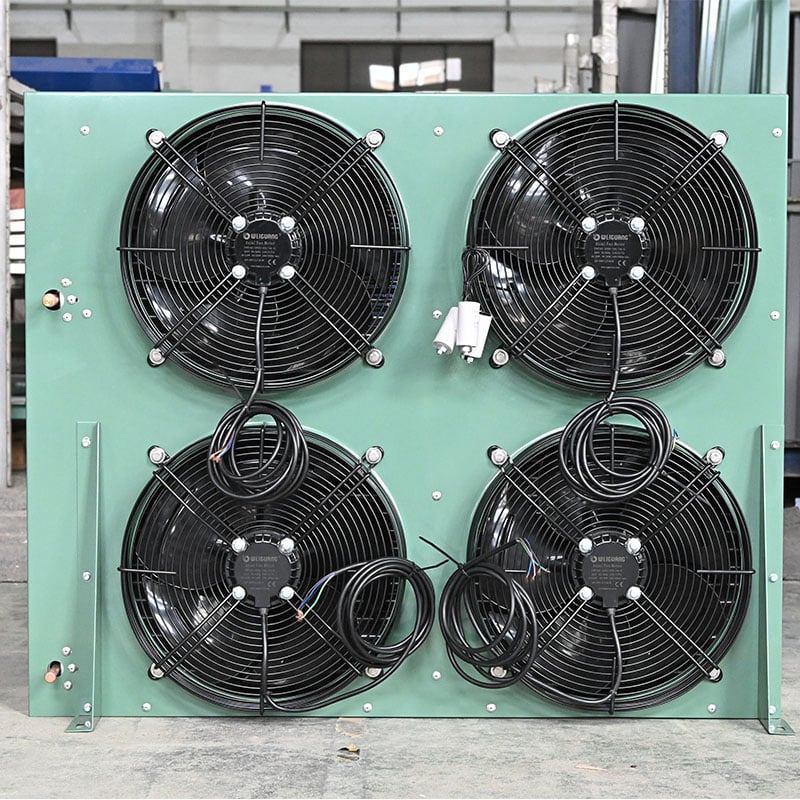
When sourcing chiller condenser coils, several key specifications should be at the forefront of your evaluation process:
Material: Most coils are constructed from copper or aluminum. Copper coils offer excellent thermal conductivity and corrosion resistance, making them ideal for most applications. Aluminum coils, while lighter and often more cost-effective, may not provide the same longevity.
Dimensions: The size and arrangement of the coils must fit within your existing system. Pay attention to the length, width, and thickness, as well as the required fittings or connections.
Fin Design: The fin surface area and design significantly affect heat transfer efficiency. Fins can be plain, lanced, or serrated, each offering varying levels of performance and cost implications.
Operating Pressure: Ensure that the coil can withstand the operating pressures of your system. This is particularly important in high-pressure applications where failure could lead to significant system downtime.
Coating Options: Consider whether a protective coating is necessary, particularly if the coils will be exposed to harsh environmental conditions or contaminants.
Understanding these specifications will help ensure compatibility with your refrigeration system and optimize performance.
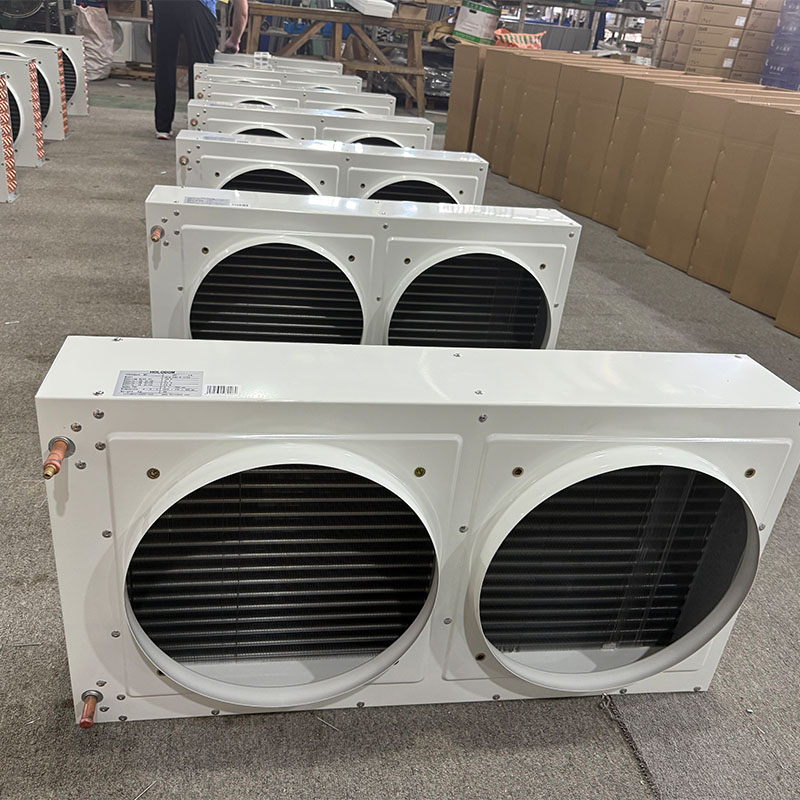
Finding a trustworthy supplier for chiller condenser coils is fundamental to the success of your project. Start by seeking manufacturers with a proven track record in the refrigeration equipment industry. Look for companies that have been in business for several years and have a portfolio of successful projects.
Trade shows and industry exhibitions can provide opportunities to meet suppliers and inspect their products firsthand. Engaging in discussions with supplier representatives can reveal insights into their manufacturing processes and quality control measures.
Additionally, consider checking online directories and B2B platforms where manufacturers list their offerings. Look for customer reviews and ratings to gauge reliability and service quality.
Shanghai EMTH, as a branch of Zhejiang RUIXUE, is well-versed in providing high-quality refrigeration components and can serve as a reliable resource for sourcing chiller condenser coils, including essential Refrigeration Accessories that complement your system.
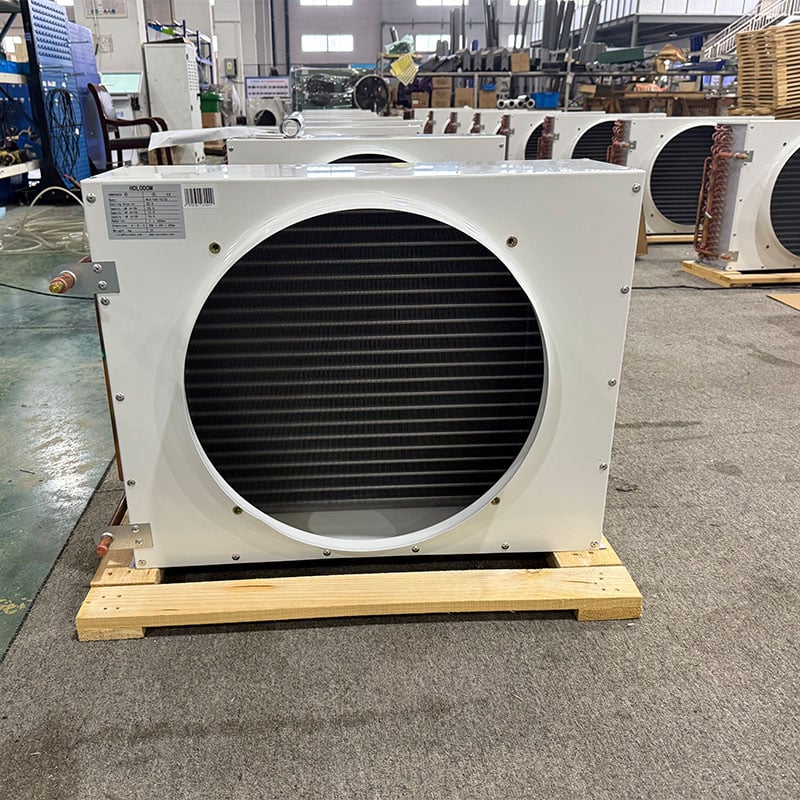
The cost of chiller condenser coils can vary widely based on several factors. Understanding these factors will help you budget effectively and make cost-effective purchasing decisions.
Material Choice: As mentioned, the type of material used (copper vs. aluminum) significantly impacts the price. Copper coils generally come at a higher initial cost but may offer lower long-term maintenance due to their durability.
Customization: If you require custom dimensions or specifications, be prepared for an increase in production costs. Custom coils often involve additional engineering and manufacturing time.
Volume Discounts: Purchasing in larger quantities can lead to reduced unit costs. If your project allows for it, consider ordering a larger batch to take advantage of these savings.
Lead Time: Rush orders may incur additional fees. If your project timeline is flexible, consider a standard lead time to avoid extra costs.
Shipping and Handling: Don't overlook shipping costs, especially if you are importing. Ensure that you account for these fees in your total budget.
Understanding these cost factors will allow you to negotiate effectively and ensure you receive value for your investment.
The modern factory has an area greater than 40,000 square meters, to satisfy the majority of the EMTH production requirements.
With a strong name in the industry, and over 3,000+ clients served, EMTH EMTH is a trustworthy and reliable supplier who has been recognized by other customers.
With more than 20 years of knowledge, we've developed a a complete production and sales and after-sales process with more than 20 patent certificates and a skilled R&D EMTH team.
Special docking is offered for a complete service. This includes the design of Commercial ice maker, production installation, landing projects, and after-sales support.

Welcome to EMTH, a cold storage refrigeration equipment specialist in China! We offer innovative and effective cold storage solutions, including cold storage, evaporator, condensing unit and ice machine.
Room 304-305B, Building 5, BESHINE B.P, No. 559Zhuyuan Road, Minhang District 201112, Shanghai, China
Copyright © Shanghai EMTH Import & Export Co., Ltd. All Rights Reserved. - Privacy Policy
 EN
 AR
 BG
 HR
 CS
 DA
 NL
 FI
 FR
 DE
 EL
 IT
 JA
 KO
 NO
 PL
 PT
 RO
 RU
 ES
 TL
 IW
 ID
 LT
 SR
 VI
 HU
 TH
 MS
 AZ
 JW
 LO
 MN
 SO
 MY
 KK
 TG
 UZ
 GD
 XH