As a critical component of refrigeration systems, condenser coil chillers play an essential role in cooling applications across various industries. This article aims to address the key specifications, purchasing options, cost factors, installation guidance, and diverse applications of condenser coil chillers, enabling B2B buyers—such as purchasing managers, engineers, and product managers—to make informed decisions. Understanding these elements is crucial for ensuring optimal performance, efficiency, and longevity of your cooling systems.
When sourcing condenser coil chillers, several key specifications should be evaluated to ensure compatibility with your application and performance requirements.
Cooling Capacity: Measured in BTUs or kW, the cooling capacity indicates how much heat a chiller can remove from a space. Selecting a model with an appropriate capacity is vital; an undersized unit can lead to insufficient cooling, while an oversized unit may cycle frequently, leading to inefficiencies.
Material Composition: Common materials for condenser coils include copper, aluminum, and stainless steel. Copper, for example, offers excellent thermal conductivity, while aluminum is lightweight and resistant to corrosion. The choice of material should align with the intended application, operating environment, and any regulatory requirements.
Coil Design: The coil design impacts efficiency and heat exchange. Buyers should consider factors such as fin spacing, tube diameter, and configuration. A well-designed coil maximizes surface area for heat transfer, enhancing performance.
Operating Pressure and Temperature: Condenser chillers operate within specific pressure and temperature ranges. Buyers must ensure that the selected model aligns with their operational requirements to avoid performance issues or equipment failure.
Energy Efficiency Ratings: Look for units with high energy efficiency ratings, such as EER (Energy Efficiency Ratio) or SEER (Seasonal Energy Efficiency Ratio). Higher ratings indicate lower operational costs and reduced environmental impact.
Understanding these specifications will help buyers choose the right condenser coil chiller for their specific needs and ensure reliable operation. For example, considering the H Type Condenser can provide insights into energy efficiency and cooling capacity.
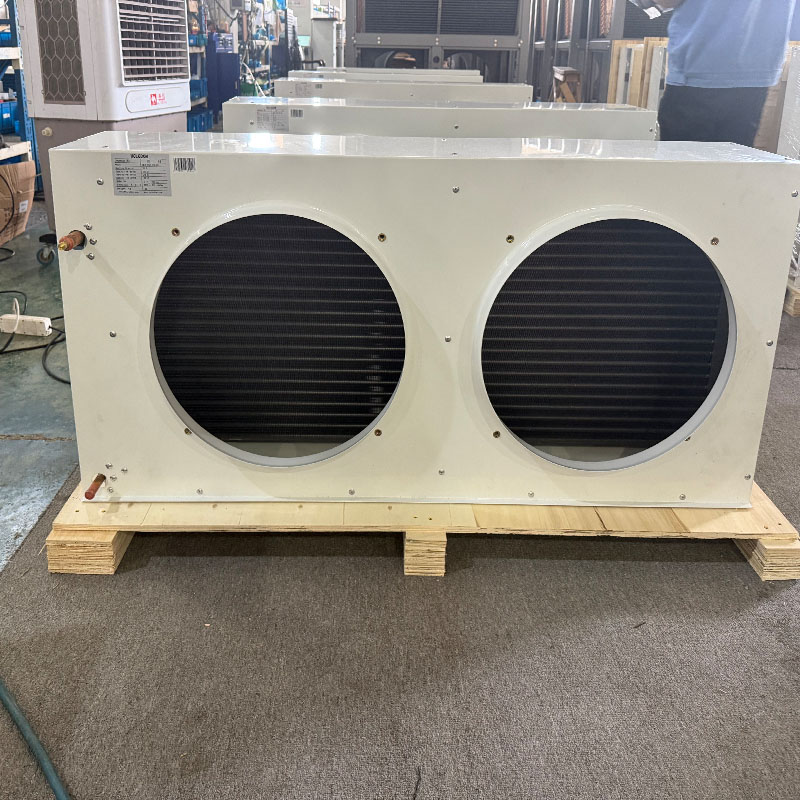
When considering wholesale purchasing options for condenser coil chillers, it is essential to evaluate various suppliers based on their manufacturing capabilities and product offerings.
Direct Manufacturer vs. Distributors: Purchasing directly from manufacturers like Shanghai EMTH provides the advantage of customized solutions and competitive pricing. Distributors may offer a wider range of products but could have limited customization options.
Minimum Order Quantities (MOQ): Different manufacturers have varying MOQs, which can affect your purchasing strategy. Assess your requirements to determine if a supplier’s MOQ aligns with your needs.
Bulk Discounts: Many manufacturers offer discounts for bulk purchases. Request pricing details and explore options for tiered pricing based on quantity to maximize savings.
Lead Times: Understand the lead times associated with each supplier. A reliable manufacturer should provide transparent timelines for production and delivery, helping you plan accordingly.
Quality Assurance: Evaluate suppliers based on their quality control processes. Look for certifications and standards that demonstrate a commitment to product quality, such as ISO certifications.
By carefully assessing these factors, buyers can find high-quality condenser coil chillers that meet their operational demands and budget constraints, including options like the Bitzer Condensing Unit.
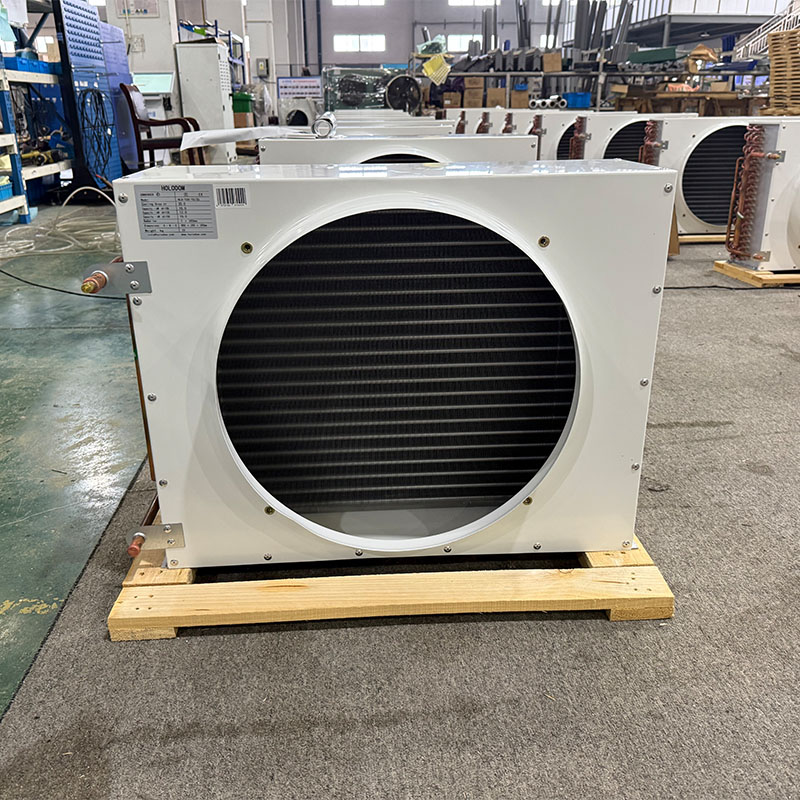
The cost of condenser coil chillers can be influenced by several factors, which are essential to consider when planning a bulk purchase.
Material Costs: The choice of materials—such as copper or aluminum—significantly impacts the overall cost. Higher quality materials may lead to increased initial costs but can offer better performance and longevity.
Manufacturing Processes: Advanced manufacturing techniques and technologies can increase production costs but improve product quality and efficiency. Understanding a supplier's production capabilities can give insight into potential pricing variations.
Customization Requirements: Customization can add to the cost but may be necessary for specific applications. Discuss your needs with the supplier to determine if any modifications are essential for performance.
Shipping and Handling: Bulk purchases often require careful planning regarding shipping. Freight costs can vary based on the delivery location, quantity, and packaging method. Discuss these factors upfront to avoid unexpected expenses.
Market Demand: Fluctuations in market demand for refrigeration equipment can influence pricing. Keeping an eye on industry trends can help buyers time their purchases effectively.
Understanding these cost factors can aid buyers in budgeting for their purchases and negotiating favorable terms with suppliers.
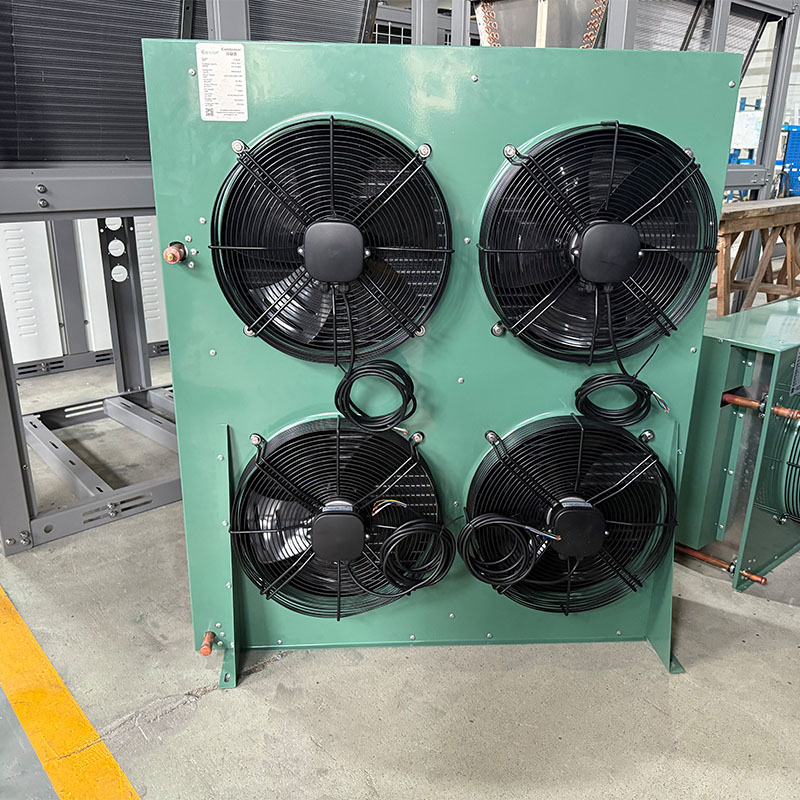
Proper installation of condenser coil chillers is critical for maximizing their efficiency and operational lifespan. Here are some installation considerations:
Location: Ensure that the chiller is installed in a well-ventilated area to facilitate efficient heat dissipation. Avoid locations prone to dust or debris, which can clog coils and reduce performance.
Clearances: Maintain adequate space around the unit for airflow. Manufacturers often provide specifications for minimum clearances; following these guidelines is essential for optimal operation.
Connections: Properly connect refrigerant lines and electrical components according to manufacturer specifications. Incorrect connections can lead to leaks or equipment failure.
System Integration: Ensure that the chiller is compatible with the existing refrigeration system. Coordination with HVAC professionals may be necessary to integrate the unit effectively.
Commissioning: After installation, conduct thorough testing and commissioning. This process should include checking for leaks, verifying temperature differentials, and ensuring that all controls are functioning correctly.
By following these installation guidelines, buyers can maximize the performance and efficiency of their condenser coil chillers, leading to long-term cost savings.
More than 20 years of' experience and an experienced EMTH R&D staff.
A modern facility of more than 40,000 square meters is available to meet the majority of EMTH requirements.
Complete service program, from formulating of plans, production of Cold room as well as project landing until after-sales service, there are specific docking.
EMTH has a long-standing track record of success in the industry with more than 3,000 satisfied customers.

Welcome to EMTH, a cold storage refrigeration equipment specialist in China! We offer innovative and effective cold storage solutions, including cold storage, evaporator, condensing unit and ice machine.
Room 304-305B, Building 5, BESHINE B.P, No. 559Zhuyuan Road, Minhang District 201112, Shanghai, China
Copyright © Shanghai EMTH Import & Export Co., Ltd. All Rights Reserved. - Privacy Policy
 EN
 AR
 BG
 HR
 CS
 DA
 NL
 FI
 FR
 DE
 EL
 IT
 JA
 KO
 NO
 PL
 PT
 RO
 RU
 ES
 TL
 IW
 ID
 LT
 SR
 VI
 HU
 TH
 MS
 AZ
 JW
 LO
 MN
 SO
 MY
 KK
 TG
 UZ
 GD
 XH